How to photograph a home with a bay window at night
A bay window lit from within at night can be the most atmospheric shot in a listing, yet most photographers either blow it out or lose the detail entirely. Here's how to get the balance right.
Category
Photography techniques, equipment and editing for modern professionals.
A bay window lit from within at night can be the most atmospheric shot in a listing, yet most photographers either blow it out or lose the detail entirely. Here's how to get the balance right.
Raked and angled ceilings are one of those architectural details buyers love in person but rarely see done justice in listing photos. The right technique makes all the difference.
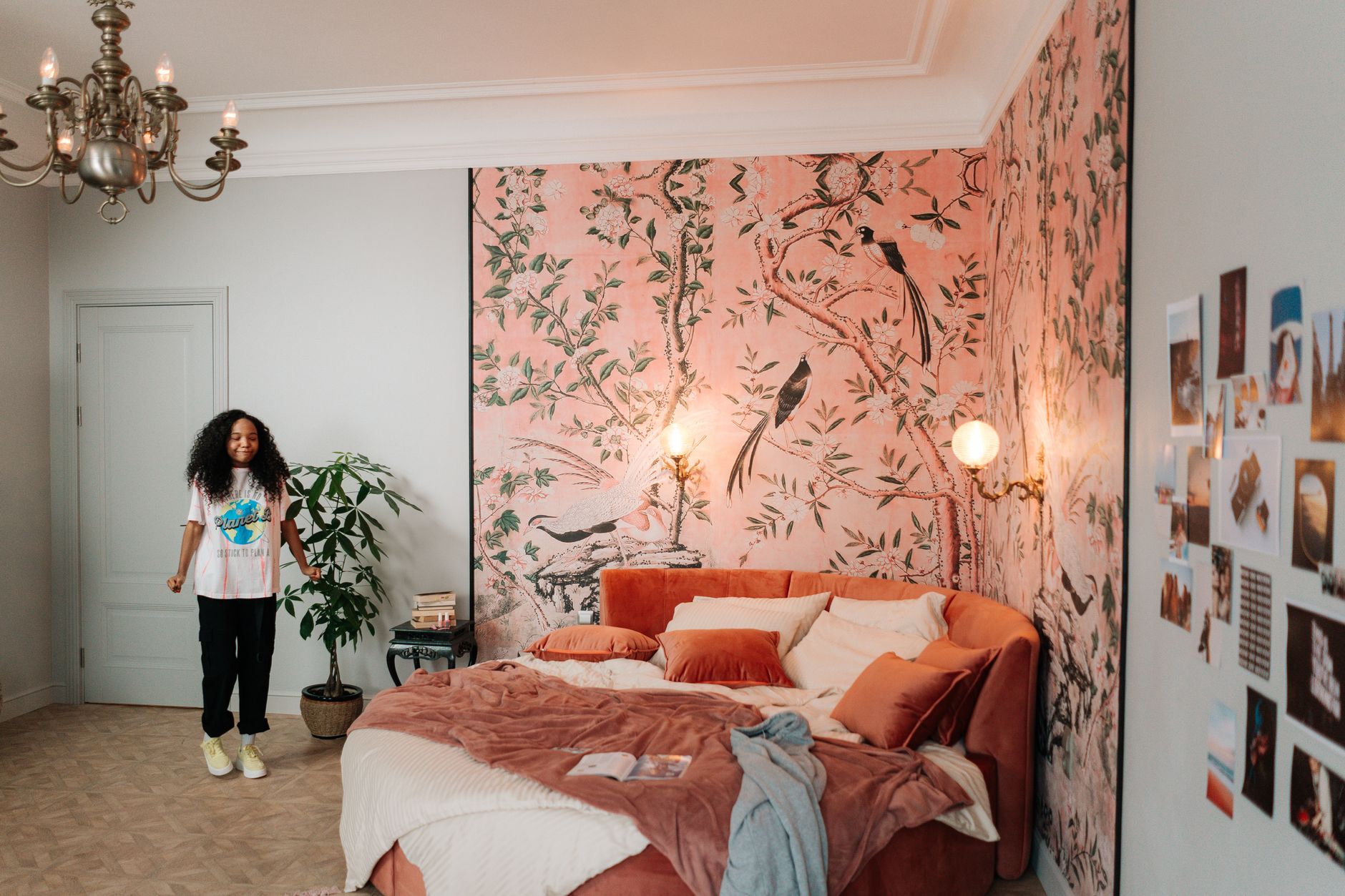
Patterned and feature wallpaper can be the most memorable detail in a listing, yet most property photos make it look warped, muddy, or aggressively busy. The right approach changes that entirely.
Coloured or tinted windows are one of the more unusual technical hurdles in real estate photography. Handle them badly and every interior shot carries a sickly colour cast that no buyer wants.
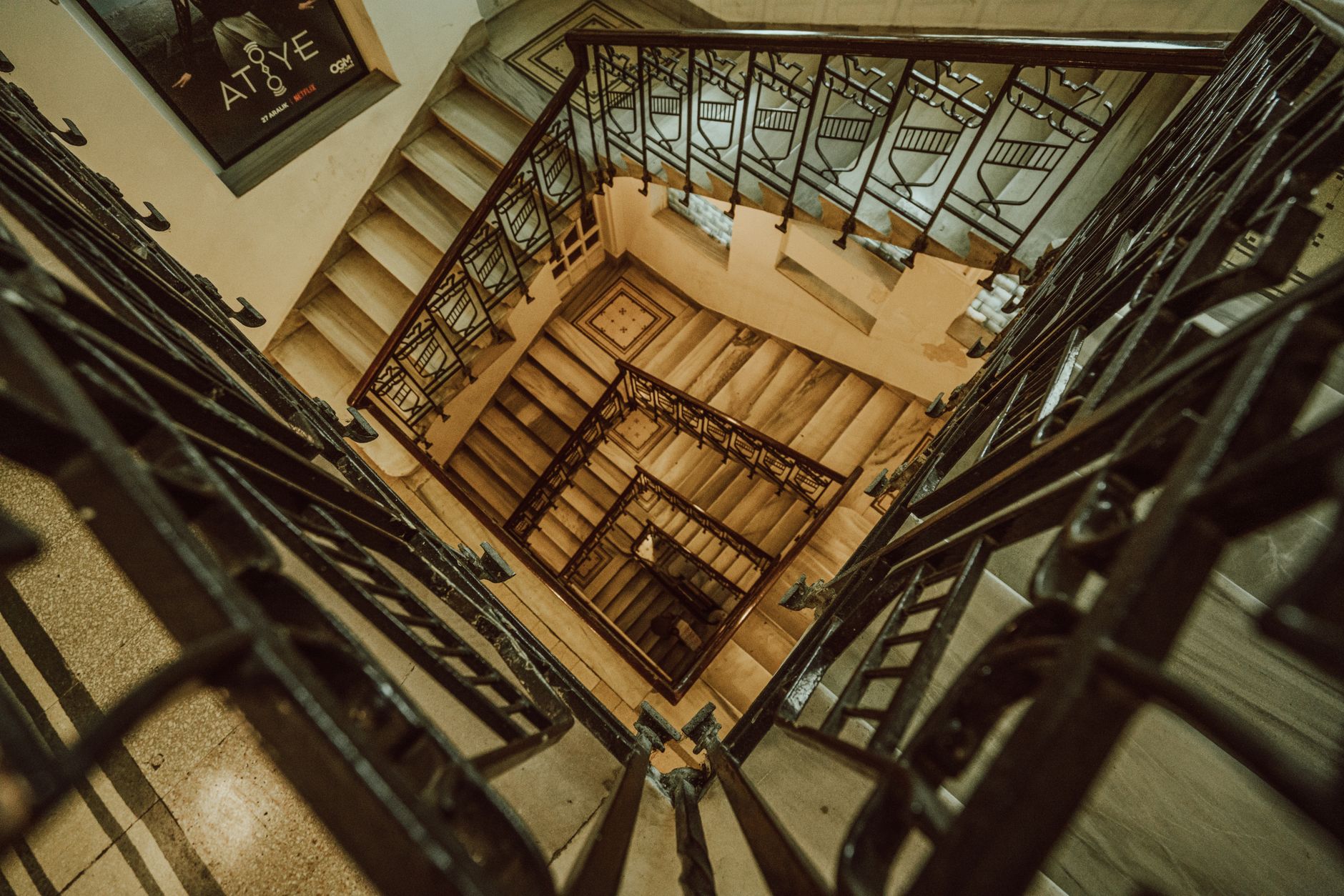
A curved or spiral staircase is one of the most dramatic architectural features a home can offer, yet most listing photos reduce it to a tight, distorted corner shot. The right technique makes all the difference.
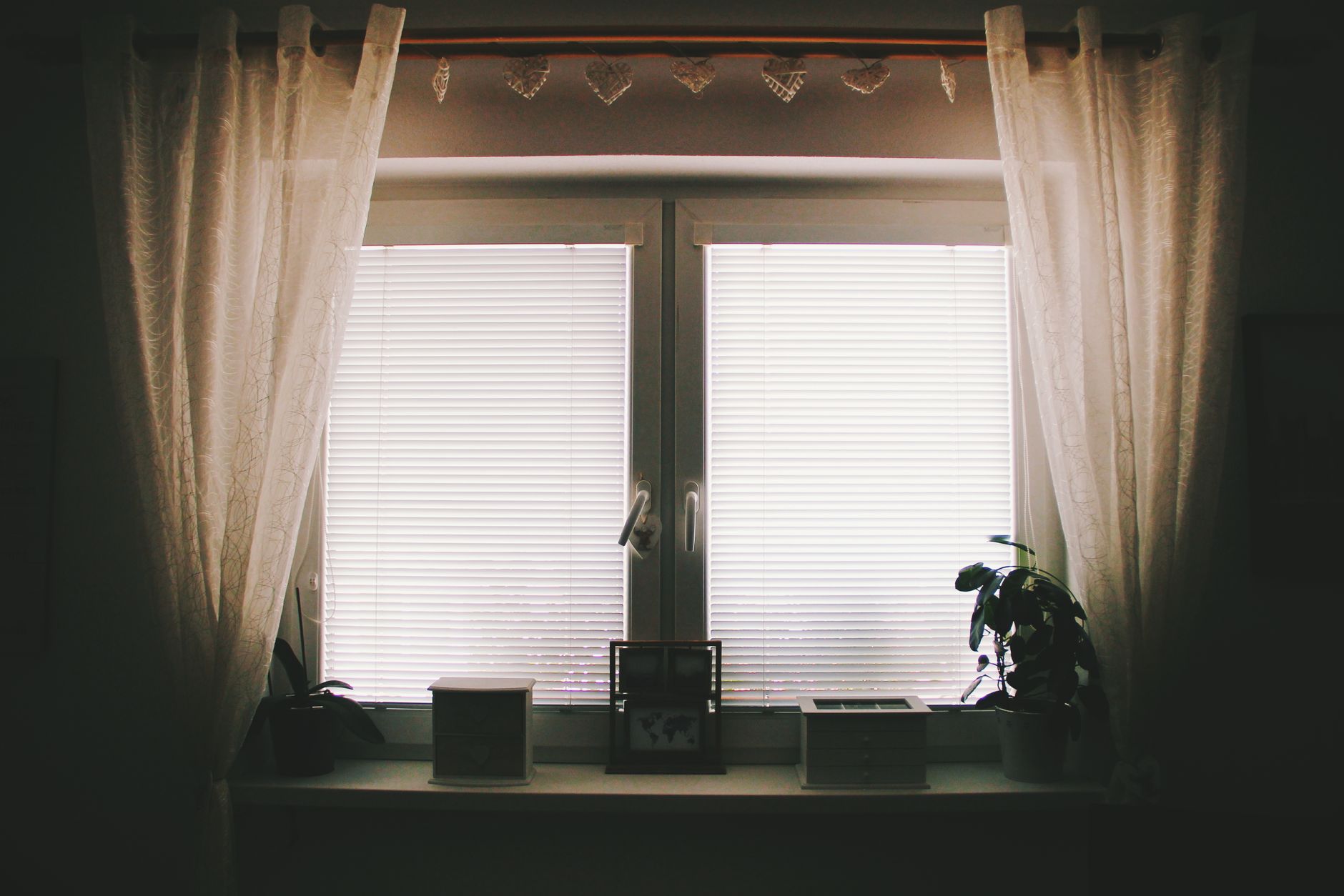
Bay windows and window seats are among the most loved architectural features in a home, yet most listing photos flatten them into a bright blur or cut them out entirely. Get the angle and light right and they become one of the strongest frames in your shoot.
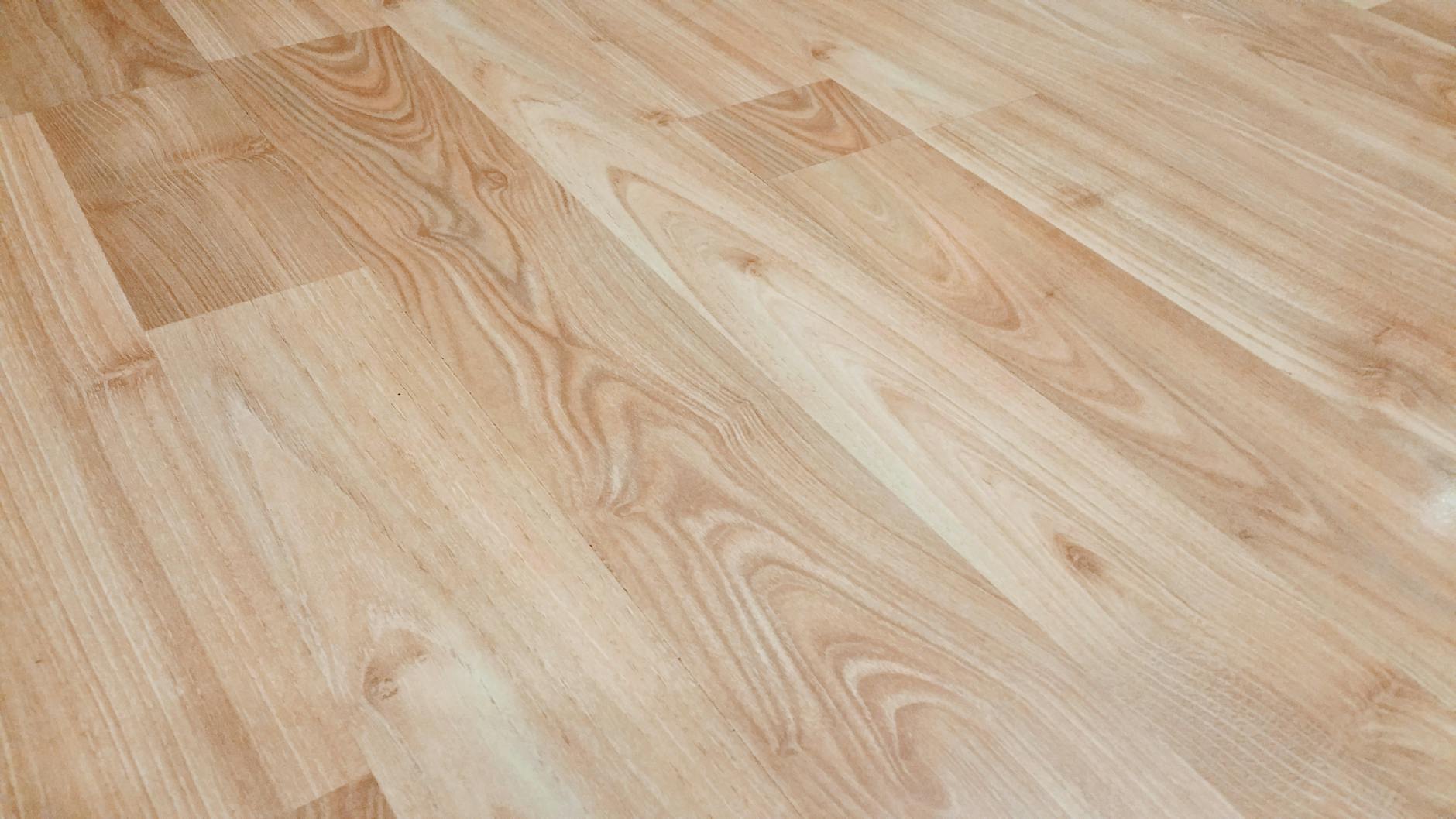
Timber and hardwood floors are one of the most sought-after features in Australian homes, yet most listing photos make them look dull, orange, or streaked with glare. Here's how to photograph them well.
Polished concrete floors are one of the most visually impressive features in contemporary Australian homes, but they're a genuine challenge to photograph well. Get the light and angle right and they become a hero element in the listing.
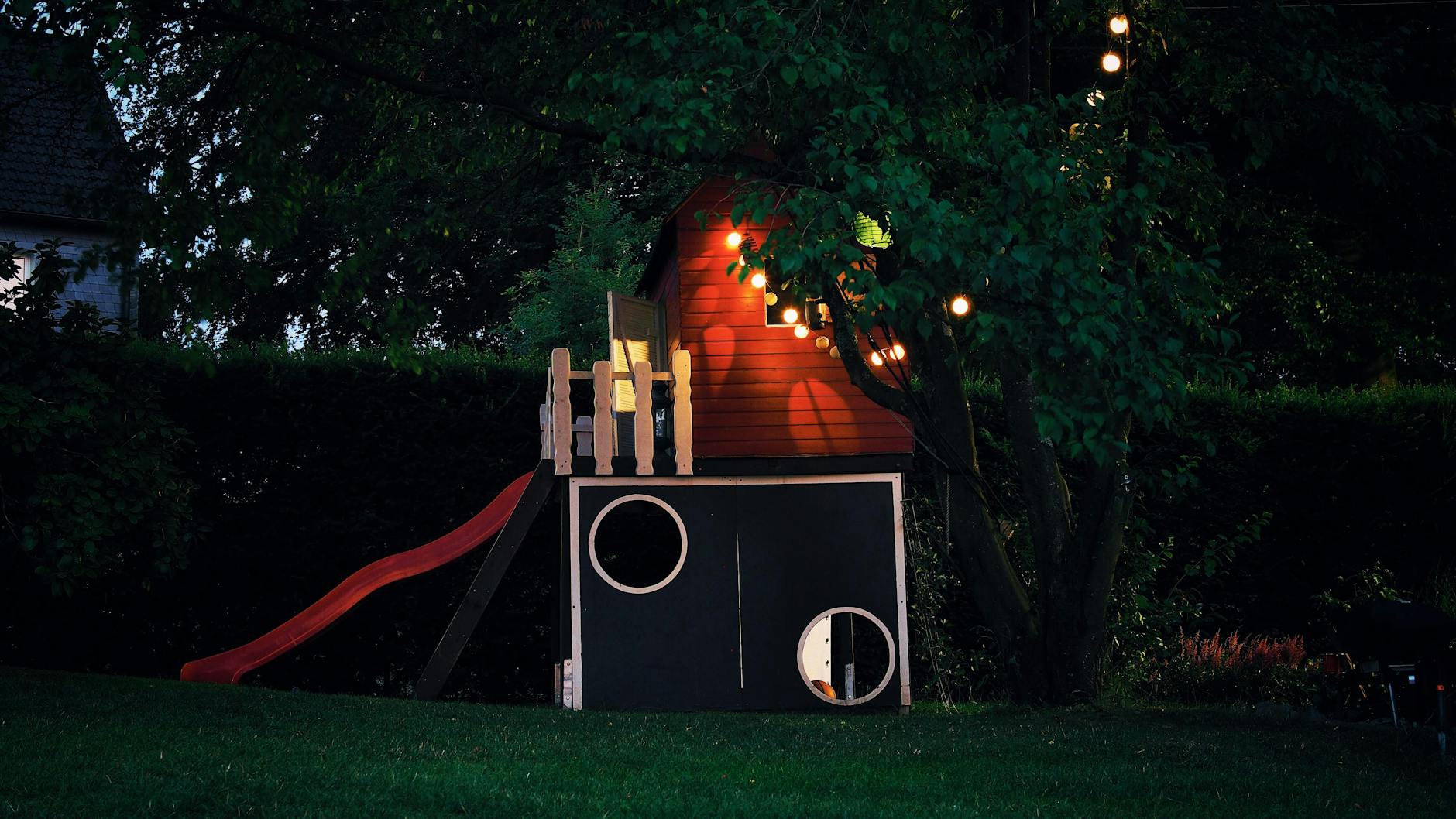
A children's play area or cubby house is one of those backyard features that family buyers notice immediately, yet most listing photos reduce it to a cluttered afterthought. Get the angle and light right, and it becomes a genuine selling point.
Dark interiors are having a serious moment in Australian design, but they're a genuine technical challenge for property photographers. Get the exposure and lighting right and a moody colour scheme reads as sophisticated and desirable.
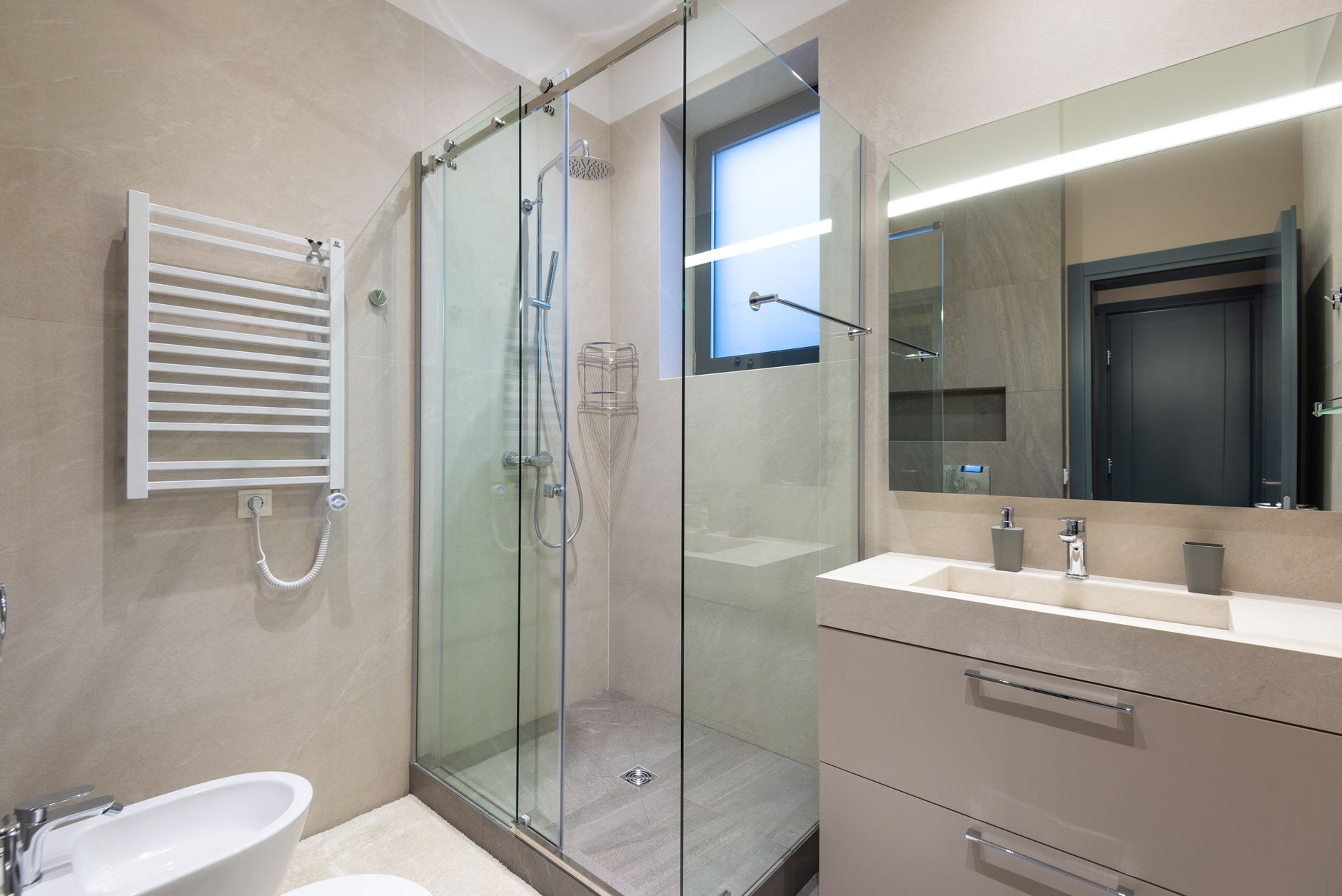
Glass and frameless showers are one of the most desirable bathroom features buyers look for, yet they're also one of the most technically demanding subjects to photograph well. Here's how to get a clean, compelling shot.
Exposed brick walls are one of those features that can make a listing feel genuinely special, yet most property photos make them look muddy or flat. Getting the light and colour right changes everything.
Large windows are a selling point buyers love, but they're a photographer's headache. Nail the exposure balance and you can show both the bright interior and the sky beyond.
Rain and wet weather can feel like a disaster for a property shoot, but handled correctly they produce some of the richest, most atmospheric listing images available. Here's how to make wet conditions work for you.
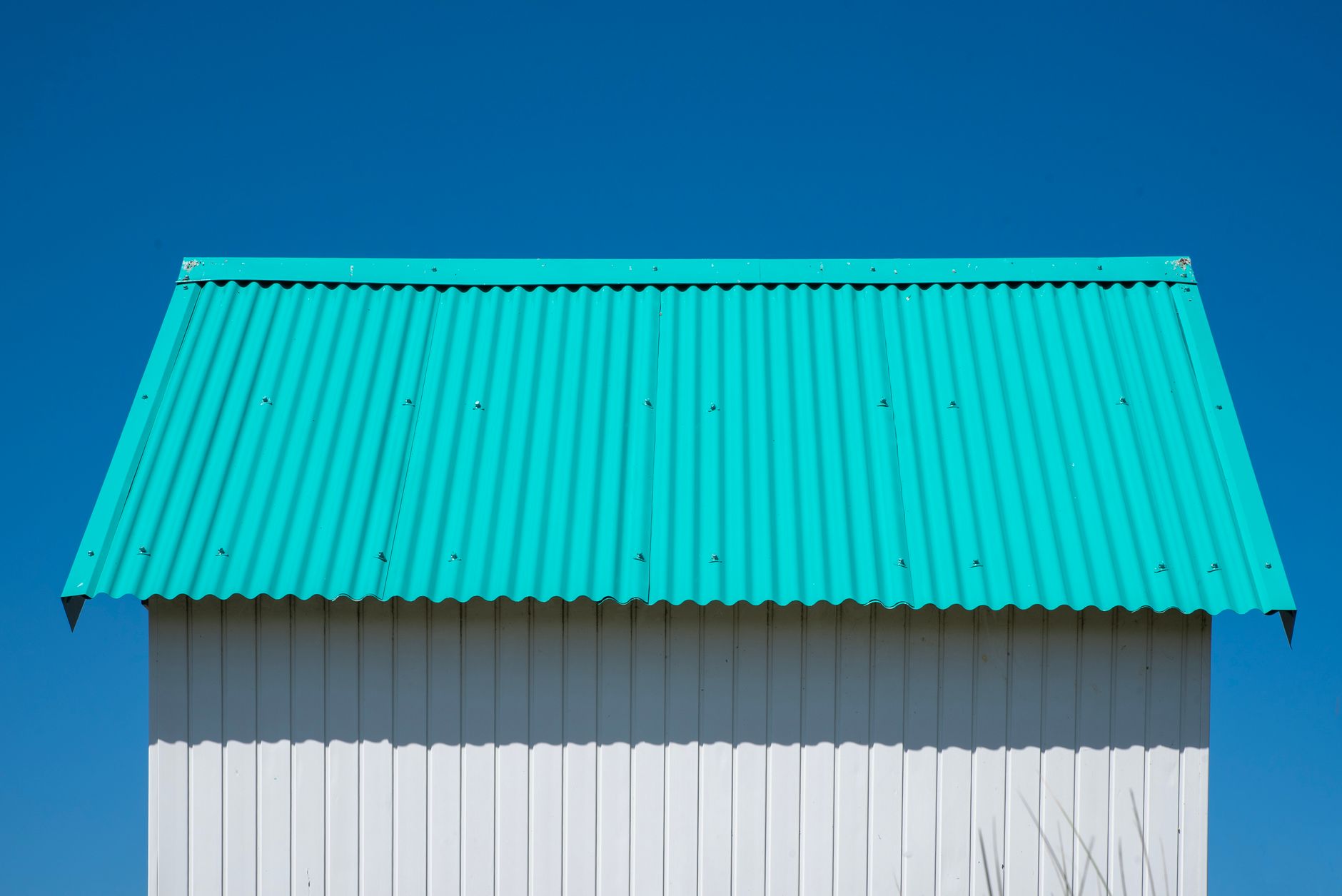
Corrugated iron and metal roofing is everywhere in Australian residential architecture, yet most listing photos make it look flat, washed out, or worse. Getting the light and angle right changes everything.
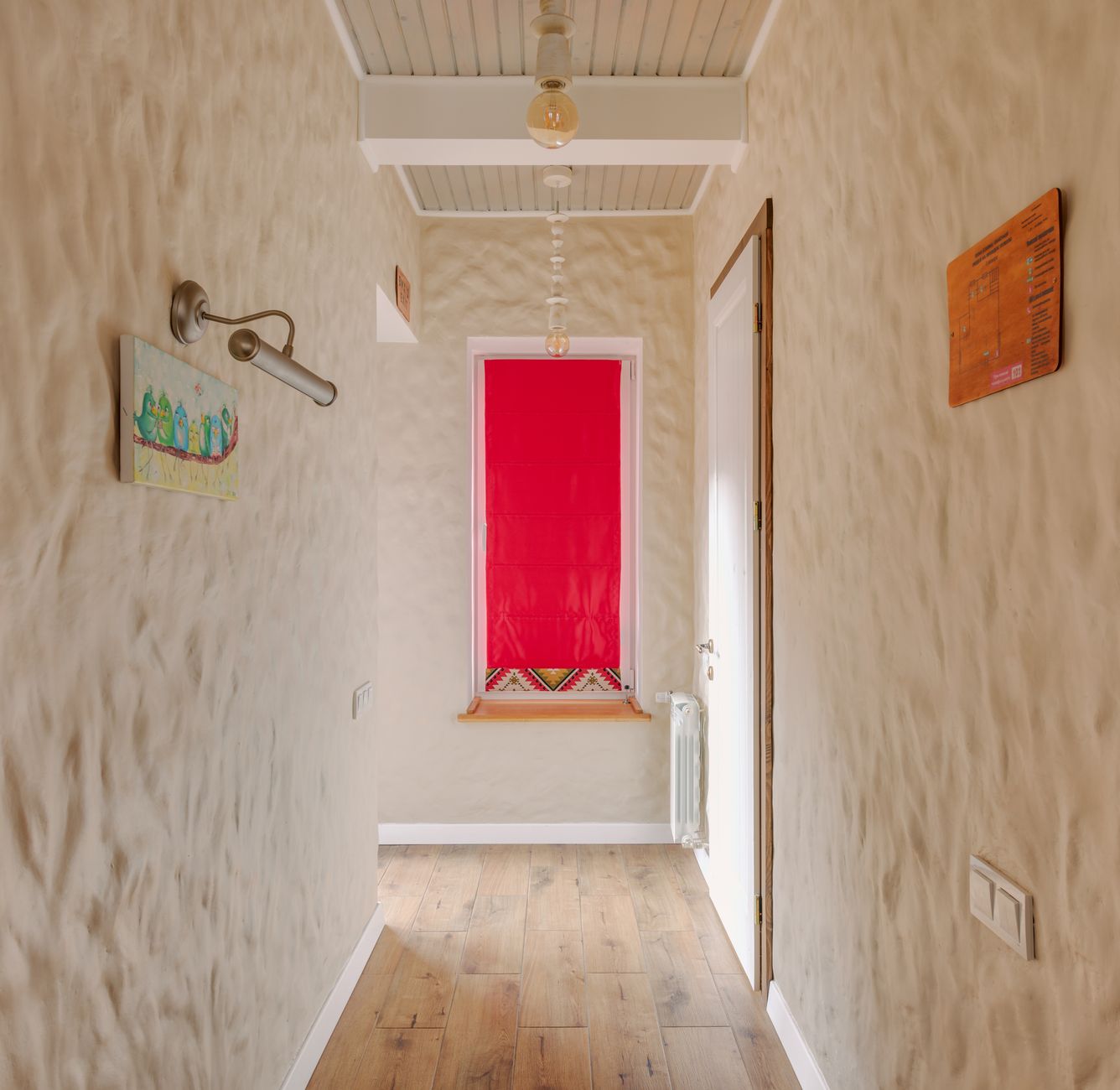
Narrow hallways are easy to photograph badly and surprisingly hard to photograph well. The right technique turns a tight corridor into a compelling glimpse of what lies beyond.
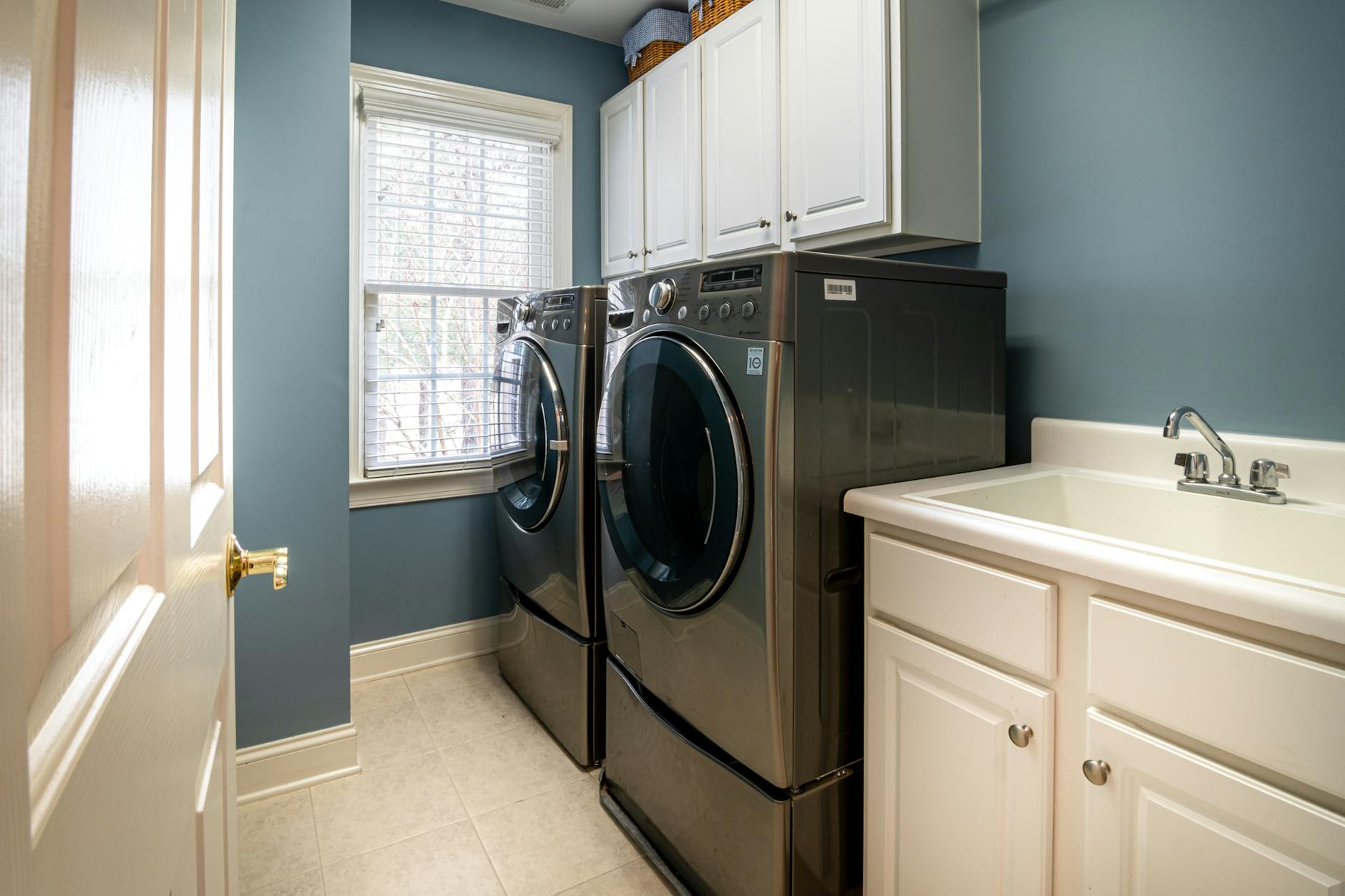
A window in the laundry is a genuine selling point, but it's also one of the trickiest light sources to manage in a tight, functional space. Get the technique right and the room photographs like a feature.
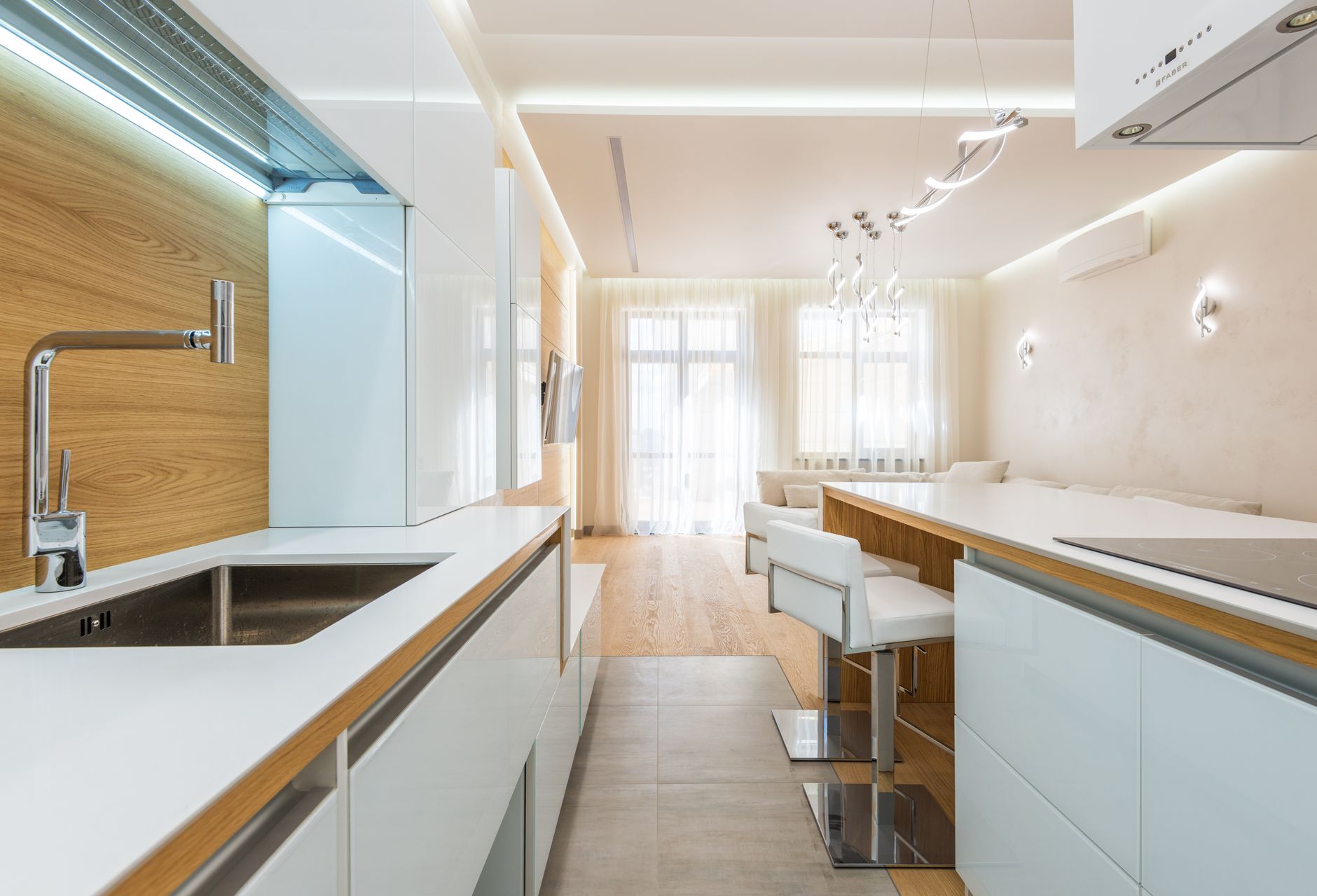
A wet bar or butler's kitchen is one of those features buyers quietly get excited about, yet most listing photos reduce it to a dim, cluttered corner. Get the framing, light, and styling right and it can become a standout shot in your campaign.
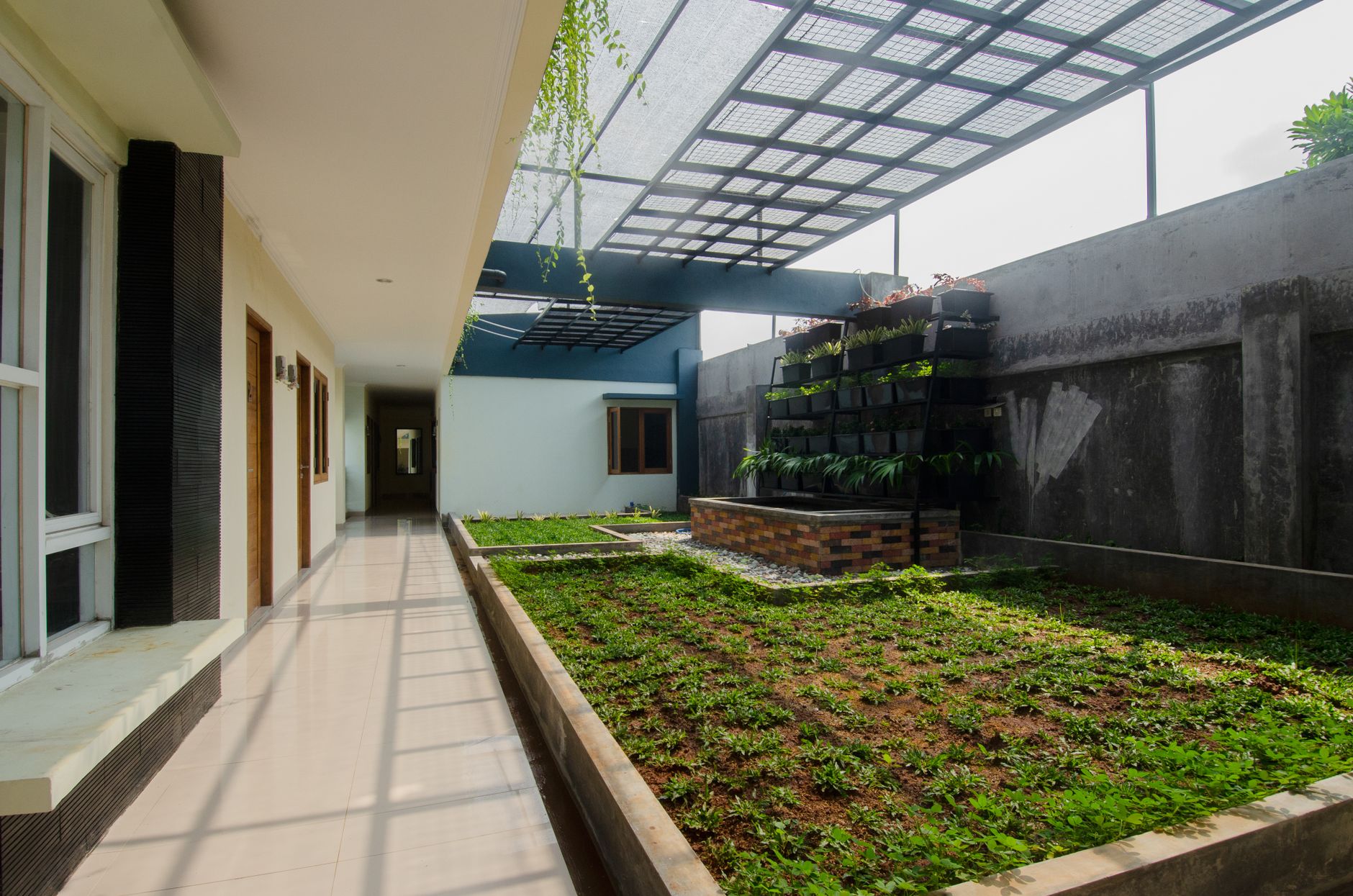
Courtyards and internal atriums are some of the most characterful spaces in a property, yet they're routinely photographed badly. Get the light and framing right and they can become the hero shot of a listing.
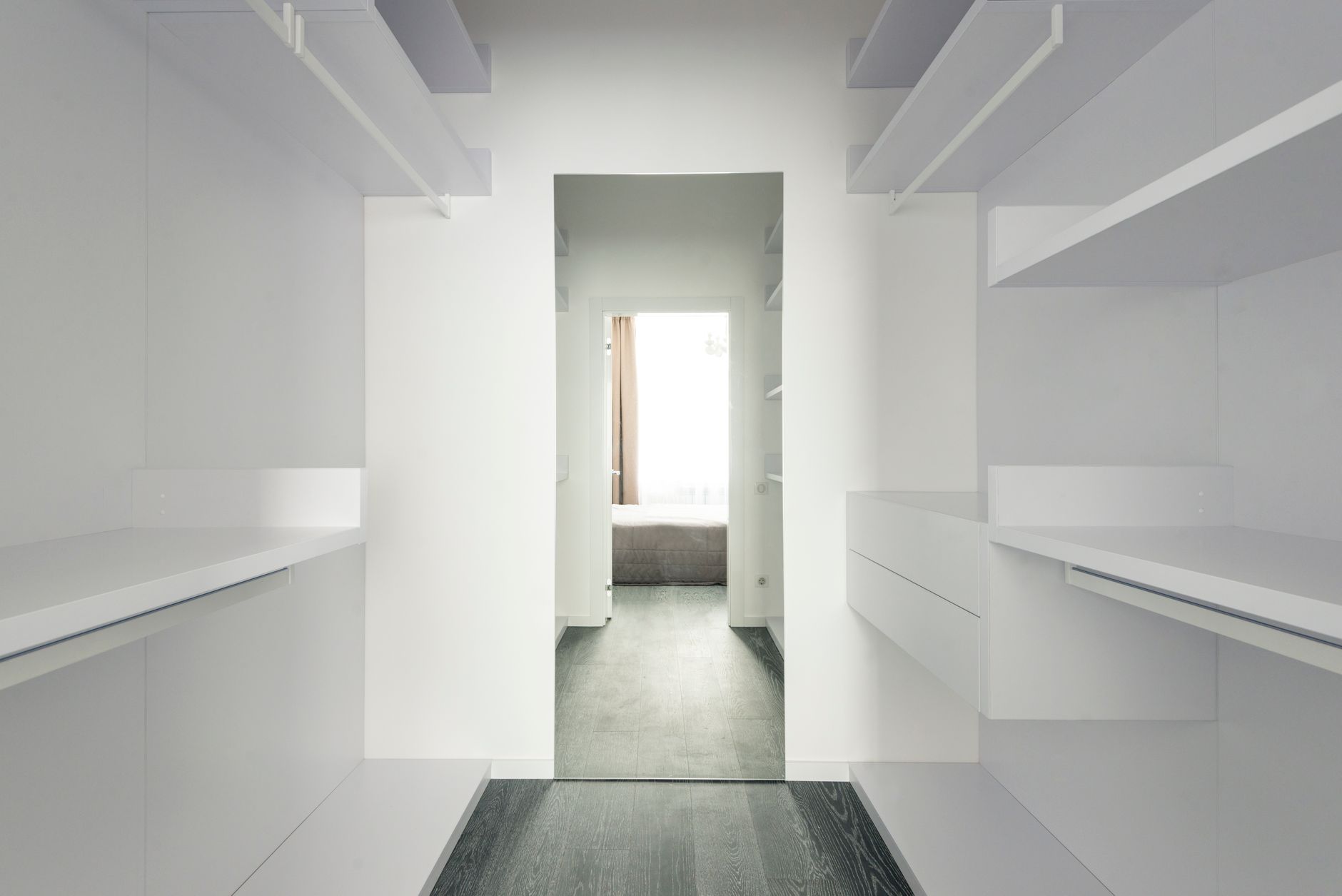
A walk-in wardrobe is one of those features buyers quietly add to their wish list and rarely mention out loud. Photograph it well and it can quietly close a sale.
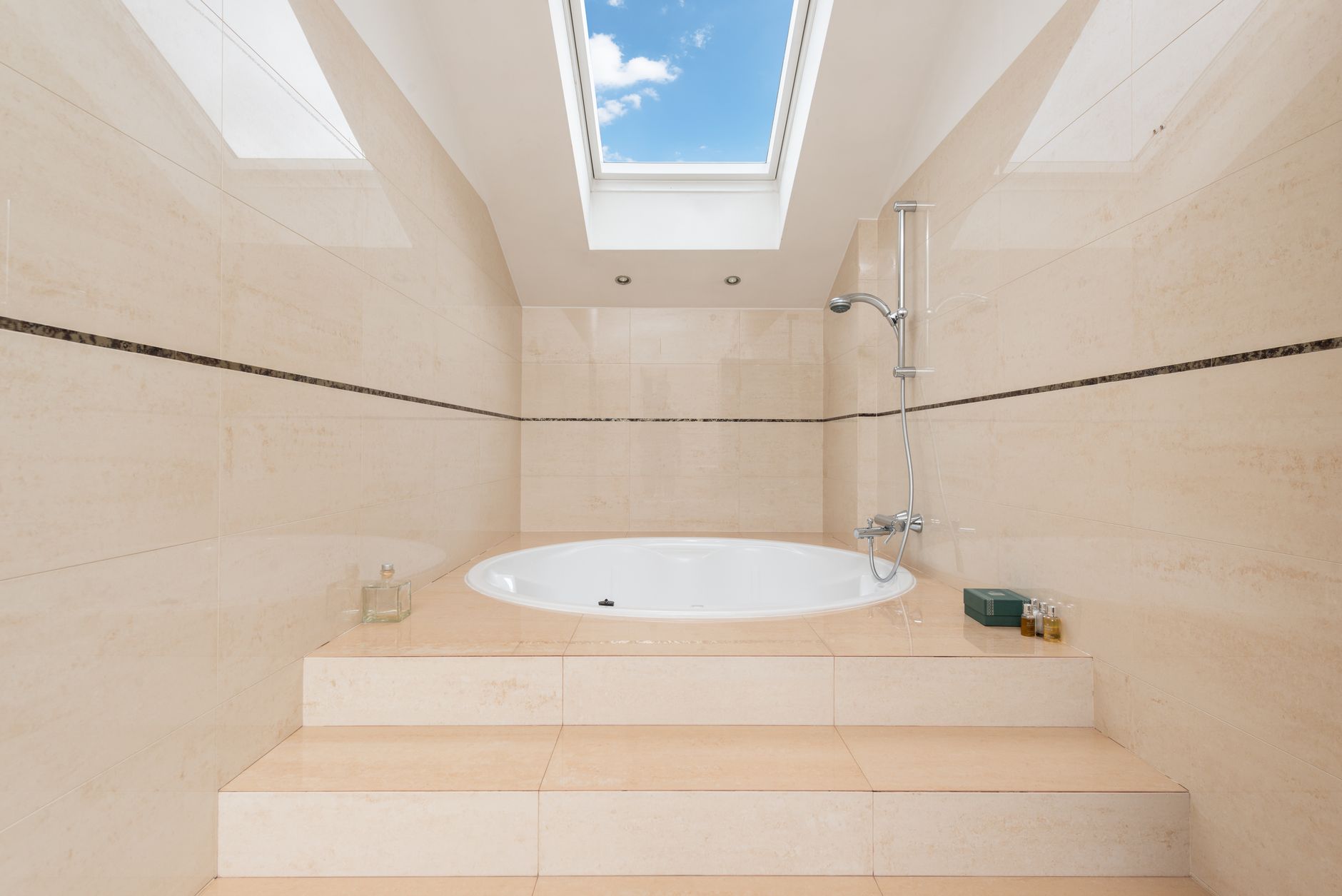
A skylight transforms a bathroom from functional to genuinely beautiful, yet it's one of the trickiest light sources to manage in a property shoot. Get the exposure and timing right and the result is a listing image buyers remember.
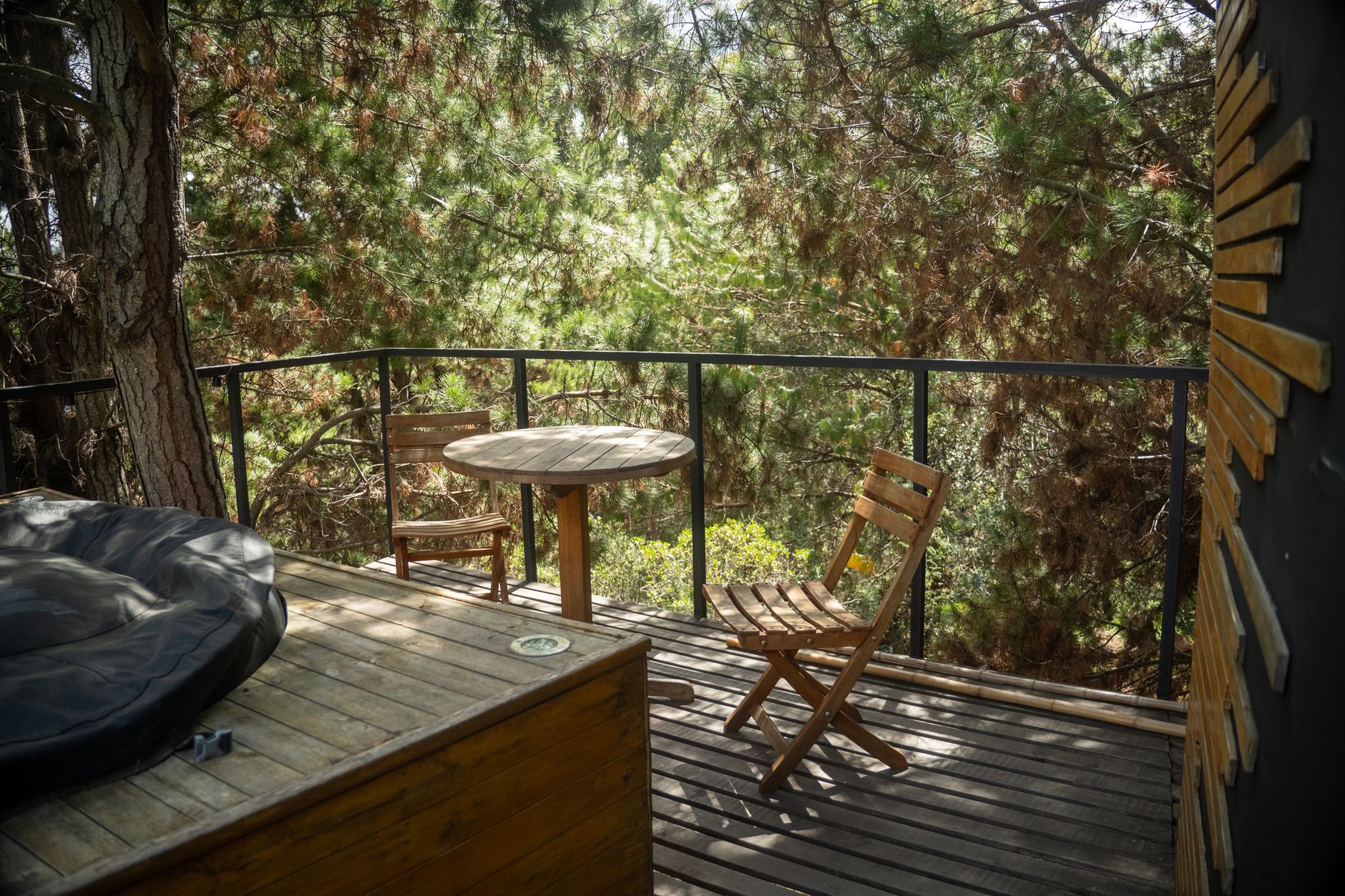
Balconies and outdoor terraces are among the most coveted features in a property listing, yet most photographers give them a single rushed shot. Get the timing, angle, and staging right and they can become the hero image of your campaign.
A fireplace can be one of the most emotionally compelling features in a listing, yet most photographers treat it as background furniture. Getting the angle, light and timing right turns it into a genuine selling point.
Built-in desks and office nooks are compact, cluttered, and awkward to frame. Get the angle, light, and staging right and they can become a genuine listing highlight.
The kitchen is the room buyers scrutinise most closely, yet it's one of the hardest spaces to photograph well. Get the angle, light and styling right and it can anchor your entire listing.
Staircases are one of the most overlooked architectural features in a property listing. Get the angle and light right, and a staircase can become the hero shot buyers remember.
Most photographers own a tripod but few use it well. In real estate photography, the right tripod technique is the difference between consistently sharp images and a batch that needs fixing in post.
Glass and mirrors create reflections, glare and blown-out windows that can ruin an otherwise strong property shot. Here's how to handle them with confidence on every shoot.
Choosing between flash and ambient light is one of the most practical decisions a property photographer makes on every shoot. Here's how each approach works and when to reach for which.
Tethered shooting sends each image straight from your camera to a laptop screen the moment you press the shutter. For real estate photography, that instant feedback can save a shoot or slow it down.
Inaccurate colour is one of the most common problems in property photography, and buyers notice even when they can't name it. Here's how colour calibration keeps your images looking honest and compelling.
Exposure bracketing and single-shot photography solve different problems on a property shoot. Knowing which to reach for can save editing time and produce sharper, more natural results.
HDR photography can rescue difficult interior shots with harsh light and deep shadows. But it's not always the right tool, and knowing when to use it makes all the difference.
Wide-angle lenses are the workhorse of real estate photography, but not all focal lengths are created equal. Here's how to choose and use them to capture rooms at their best.
The right camera settings for real estate photography can make the difference between a flat, lifeless shot and one that stops buyers mid-scroll. Here's how to dial in your settings for every room.
Running a real estate photography business takes more than a sharp eye and good gear. These photography business tips cover the practical side: getting clients, keeping them, and building something sustainable.
The future of AI in photography is no longer a distant concept. From automated editing to intelligent composition tools, here's how AI is changing real estate photography right now.
AI photo editing tools are reshaping how property photographers work, cutting editing time while lifting image quality. Here's what the technology actually does and where it still falls short.
Low light conditions are one of the biggest challenges in property photography. These practical techniques will help you capture bright, sharp, professional images every time.