
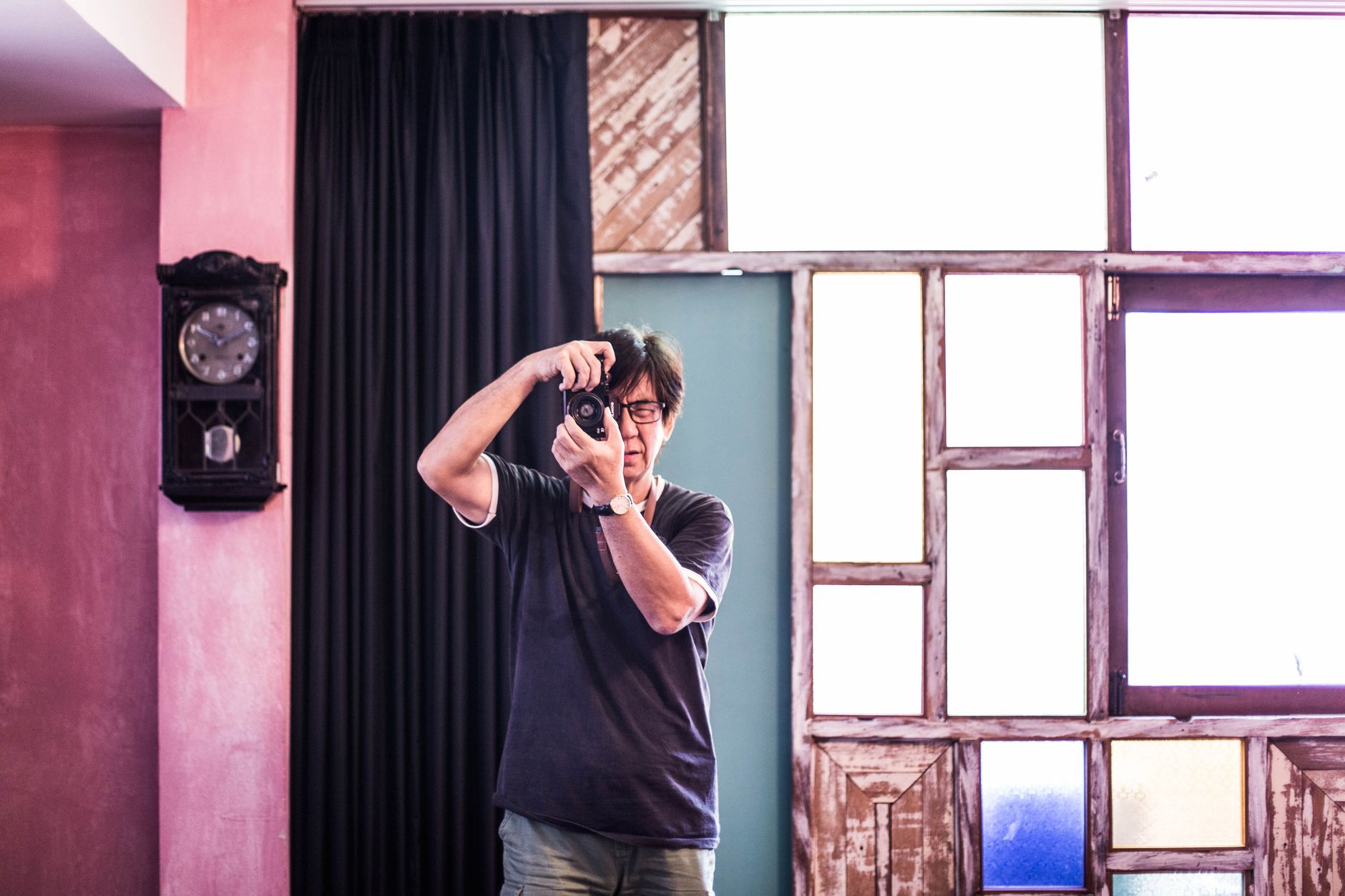
Flash or ambient light: it's the question that divides property photographers more than almost any other. Both approaches can produce images that stop buyers mid-scroll. Both can also produce images that look flat, blown-out, or oddly unreal when used without thought. The difference is in understanding what each tool actually does and matching it to what the room needs.
What "ambient only" actually means on a shoot
Ambient light means everything the room already has: window light, ceiling fixtures, lamps, and any natural light bleeding in from adjoining spaces. Shooting ambient-only means you're working with what's there, usually at a slower shutter speed and with a camera on a tripod.
The advantage is speed. You set up, adjust exposure, and fire. There are no triggers to sync, no light stands to position, no modifiers to attach. For photographers doing high-volume shoots, that matters. Ambient light also tends to produce images with a natural mood, especially in rooms with north-facing windows or soft afternoon light that flatters timber floors and linen soft furnishings.
The problem is that rooms rarely have balanced ambient light. A lounge room might have one wall lit beautifully and a ceiling that reads nearly black. Windows blow out before the interior reaches a proper exposure. Managing those extremes is where ambient-only falls short, and it's also why exposure bracketing is often paired with ambient shooting to capture the full tonal range across several frames.
What flash adds to the equation
Flash, whether from a hotshoe speedlight or a more powerful strobe, lets the photographer control where the light goes and how much of it lands. That control is the whole point. In a room with a deeply shadowed corner or a dark hallway, a single off-camera flash can lift the shadows without lifting the exposure on the window behind it.
Flash freeze motion. At 1/200 of a second, a speedlight freezes any slight camera shake and eliminates the ambient light flicker that fluorescent or LED downlights produce at slower shutter speeds. That's a real practical benefit on shoots where the owner hasn't replaced old globes.
The most common mistake beginners make with flash is pointing it directly at the subject. Direct flash flattens texture, creates harsh shadows behind furniture, and gives walls an unpleasant grey cast. Bouncing the flash off a white ceiling or using a modifier creates a much broader, softer source that reads as natural. Done well, a viewer won't know flash was used at all.
Blending flash and ambient: the real workday technique
Most working property photographers don't choose one or the other. They blend. The standard approach is to expose for the ambient light first, usually letting the window render correctly or slightly bright, and then add flash to lift the interior to match. The ambient sets the mood; the flash fills the gaps.
This blending approach is why shooting in low light is less daunting than it sounds. A room that looks dim in person can photograph beautifully when the photographer dials in 1/60 sec at f/8 on ISO 400 for the ambient layer, then adds a bounced speedlight to bring the ceiling and walls up to match the window. Two or three test frames sorts the balance. It's methodical, not guesswork.
Some photographers take this further with a multi-flash technique: one light positioned at the door to rake across a timber floor, another bounced off the ceiling in a far corner, and the camera set to capture a long ambient exposure. The frames are blended in post. It takes time to set up, but the results in large open-plan spaces are hard to argue with.
When to use ambient only
Ambient-only shooting makes sense in specific situations. Bright, evenly lit rooms on an overcast day are practically made for it: the soft diffuse light covers the whole space without creating the extreme contrast that causes the interior-versus-window problem. Kitchens with good overhead lighting and a reasonable number of windows often fall into this category.
Small rooms can also benefit from ambient-only. Introducing a flash into a bathroom or a compact laundry risks hot spots on tiles and reflective surfaces that are difficult to remove. Working with what the room offers, keeping the ISO low and the tripod solid, often gives a cleaner result faster than wrestling with a strobe in a tight space. Proper technique for tight spaces is a topic worth its own attention: the lens choice and angle matter as much as the light, as covered in the guide to photographing small rooms.
When flash is non-negotiable
Three situations almost always require flash. First, rooms with no natural light: internal bathrooms, hallways, walk-in robes. Second, evening or twilight shoots where the interior needs to be lit entirely from artificial sources and consistency matters across every frame. Third, mixed-light situations where the room contains daylight, warm tungsten lamps, and cool LED downlights all at once. Flash, set to daylight white balance, cuts through the colour inconsistency and gives the edit a clean foundation.
Twilight shoots deserve special mention. The exterior is exposed for the sky and garden at dusk, which typically runs between 1/60 and 1/125 sec at f/8. The interior must look warm and inviting through the windows without blowing out. That interior glow comes from flash and interior practicals working together, not from the fading ambient light outside. No amount of post-processing rescues an underlit interior on a twilight shot without introducing noise and colour drift.
Gear worth knowing
For most property shoots, a single Godox speedlight triggered wirelessly handles the majority of situations. The V860III handles high-speed sync and recycles quickly enough for a multi-room shoot without burning through batteries. Photographers shooting larger homes or commercial properties often step up to a battery-powered strobe like the AD300Pro, which delivers more output for the same pack size.
A collapsible white bounce card costs almost nothing and solves more flash problems than any dedicated modifier. Keep one in the kit bag. It gives directional control when there's no white ceiling to bounce off, which matters in rooms with dark timber ceiling panels or exposed rafter finishes.
The edit changes depending on which approach you used
Ambient-only files, especially bracketed ones, carry a lot of tonal information across multiple exposures that needs to be merged carefully. The window and the interior often come from separate frames, blended in Lightroom or Photoshop. Flash files tend to be more predictable frame to frame, which speeds up the edit considerably. Consistency across a full shoot is easier to achieve when the light source is controlled rather than variable.
Colour is the other variable. Ambient light changes throughout the day and across seasons. A shoot that starts at 10am and finishes at noon can have two noticeably different colour temperatures in the files. Flash, set to a fixed 5500K, doesn't drift. That consistency is worth more than it sounds when you're matching 30 images across a large property.
Neither approach is universally superior. The skill is in reading a room quickly, knowing what the ambient is giving you, and deciding whether a speedlight fills the gap or creates one.