
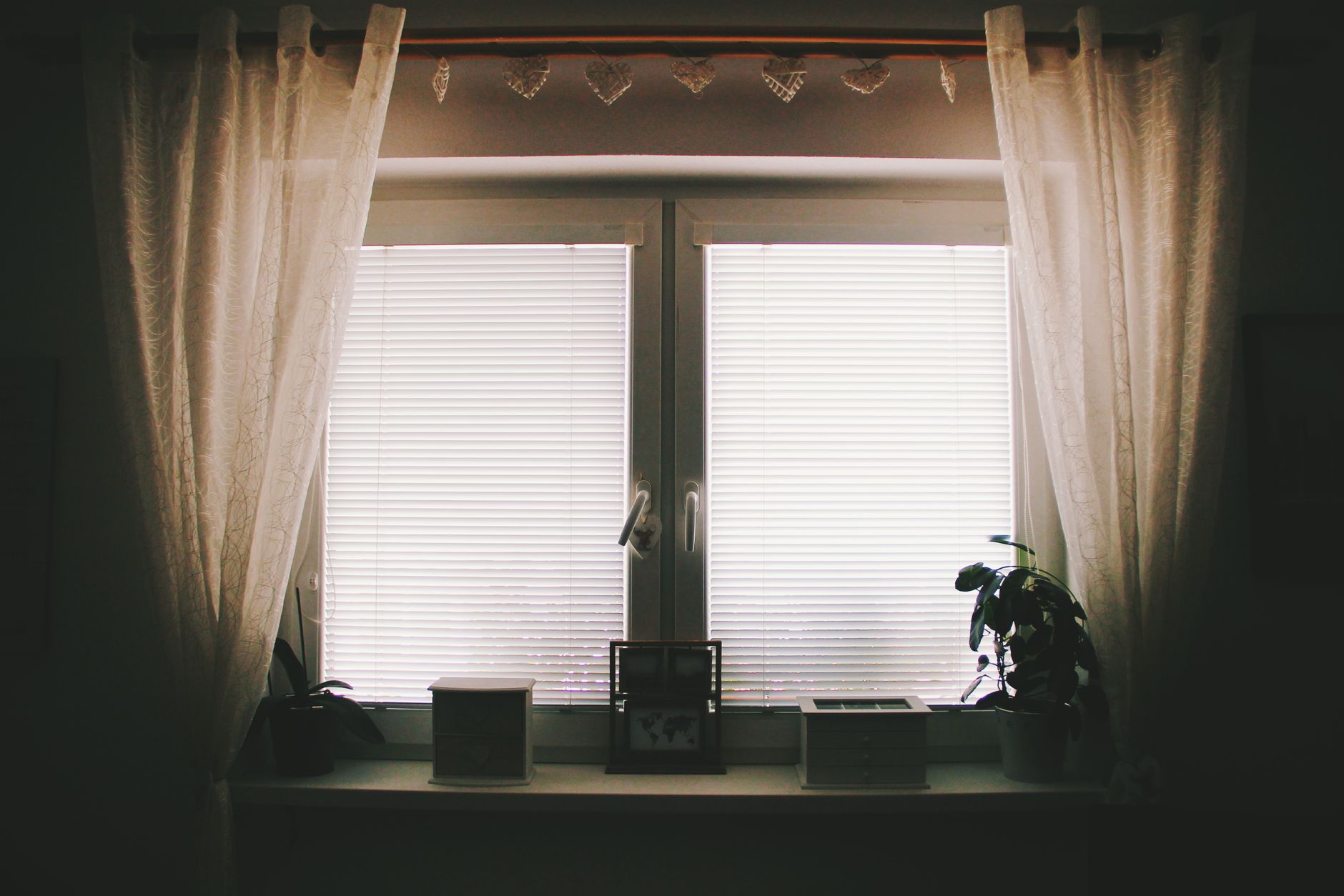
HDR photography for real estate gets a mixed reputation, and with good reason. Done well, it delivers balanced, detailed images where windows look natural and dark corners retain their depth. Done poorly, it produces the kind of over-processed, halo-ringed photos that buyers have learned to distrust. The technique itself is not the problem. Knowing when and how to apply it is what separates a professional result from a rookie mistake.
What HDR photography actually is
HDR stands for High Dynamic Range. In practice, it means capturing the same scene at multiple exposure levels, typically three to five bracketed shots, and blending them together in post-processing. The brightest exposure reveals detail in shadows; the darkest protects bright areas like windows and sky. The final image combines the best elements of each frame.
Real estate interiors are a natural fit for this approach because cameras simply cannot record the full tonal range that your eye perceives in a room. When you stand in a living room, your brain adjusts constantly between the bright window and the shaded wall behind you. A camera captures a single exposure, and one part of the scene almost always suffers. Bracketing and blending solves that problem at the capture stage rather than trying to fix it entirely in editing.
When HDR delivers real results
HDR earns its place in specific shooting situations. Rooms with large windows or glass doors that look out onto a bright garden or streetscape are the classic example. Without HDR (or at least some form of exposure blending), you face a choice: expose for the interior and blow out the view entirely, or expose for the outside and leave the room dark and uninviting. Blending multiple exposures lets you show both clearly.
Open-plan living spaces with mixed light sources also benefit. A kitchen that has overhead downlights, natural light from a skylight, and a dark dining nook in the corner can be nearly impossible to balance in a single shot. Shooting a bracketed sequence gives you the raw material to render every zone accurately.
Getting this balance right is closely tied to understanding the best camera settings for real estate photography: your aperture, ISO, and shutter speed choices at capture directly affect how well your bracketed exposures blend in post.
When HDR becomes a liability
HDR has clear limits, and pushing past them does active harm to a listing. The most common problem is over-blending, where the software over-smooths tones and produces that artificial, painterly look. Shadows lose their natural weight, textures flatten out, and the image starts to look like a video game render rather than a real home.
Rooms lit primarily by consistent, diffused natural light often look better with a single well-exposed capture or a simple sky replacement rather than a full HDR blend. Similarly, twilight exteriors shot at dusk usually require a different approach entirely. The goal in those shots is drama and warmth, not tonal balance across the full dynamic range. For that reason, understanding the difference between day vs twilight real estate photography helps you decide before you even raise the camera whether HDR is relevant to the shoot.
Movement is another practical constraint. HDR requires multiple frames taken in rapid succession. In rooms with curtains catching a breeze, ceiling fans, or plants near an open window, ghosting artefacts appear where moving elements shift between frames. Good HDR software can mask some of this, but it takes extra editing time and the result is rarely perfect.
HDR vs flash blending: which approach is better?
Many professional real estate photographers have moved away from pure HDR toward a technique that combines ambient bracketed exposures with targeted flash or strobe lighting. The flash fills in shadow areas with a controllable, consistent light source, which reduces the number of brackets needed and produces cleaner, more natural results.
Pure HDR relies entirely on available light, which means its quality is determined by whatever the property offers. Flash blending lets the photographer take control and shape the light rather than simply record it. For high-end listings in particular, the extra setup time is almost always worth it.
That said, flash equipment adds cost and complexity to a shoot. For a fast-turnaround residential job, a well-executed three-bracket HDR blend remains a practical and effective workflow. The right choice depends on the property, the budget, and the photographer's skill with each technique.
Getting HDR right in post-processing
The editing stage is where HDR photography either succeeds or fails. The most important principle is restraint. The temptation with HDR software is to push tone-mapping sliders until the image looks dramatic. Resist it. The goal is a result that looks like what a well-exposed photograph of that room would look like, not a heavily processed composite.
A few practical guidelines that make a difference:
- Use a natural or realistic tone-mapping preset as your starting point, then pull back from there rather than building up.
- Pay attention to highlight detail in windows. Buyers want to see the view, but the glass should still look like glass, not a flat white rectangle.
- Check shadow areas for noise. Multiple exposures can introduce inconsistencies in dark zones if the merging algorithm isn't clean.
- Review the finished image at arm's length from your monitor. Over-processed HDR is easier to spot at a small size than when you're zoomed in on detail.
Editing discipline is also a function of the tools you use. The landscape of post-processing software has shifted considerably, and many photographers now use AI-assisted blending tools that handle ghosting and tone mapping automatically. The results have improved significantly and the time savings are real.
The bottom line for real estate photographers
HDR photography remains one of the most useful techniques in a real estate photographer's toolkit, but only when it serves the property rather than the technique itself. Use it for challenging interior light situations, particularly where large windows and dark interiors compete. Be willing to leave it behind when the light is already doing the work, or when the shoot calls for the warmth and atmosphere of a different approach.
The best real estate images, regardless of how they were captured, share one quality: they look effortless. The buyer should be thinking about the kitchen, not the processing. When your HDR work earns that response, you've got it right.