
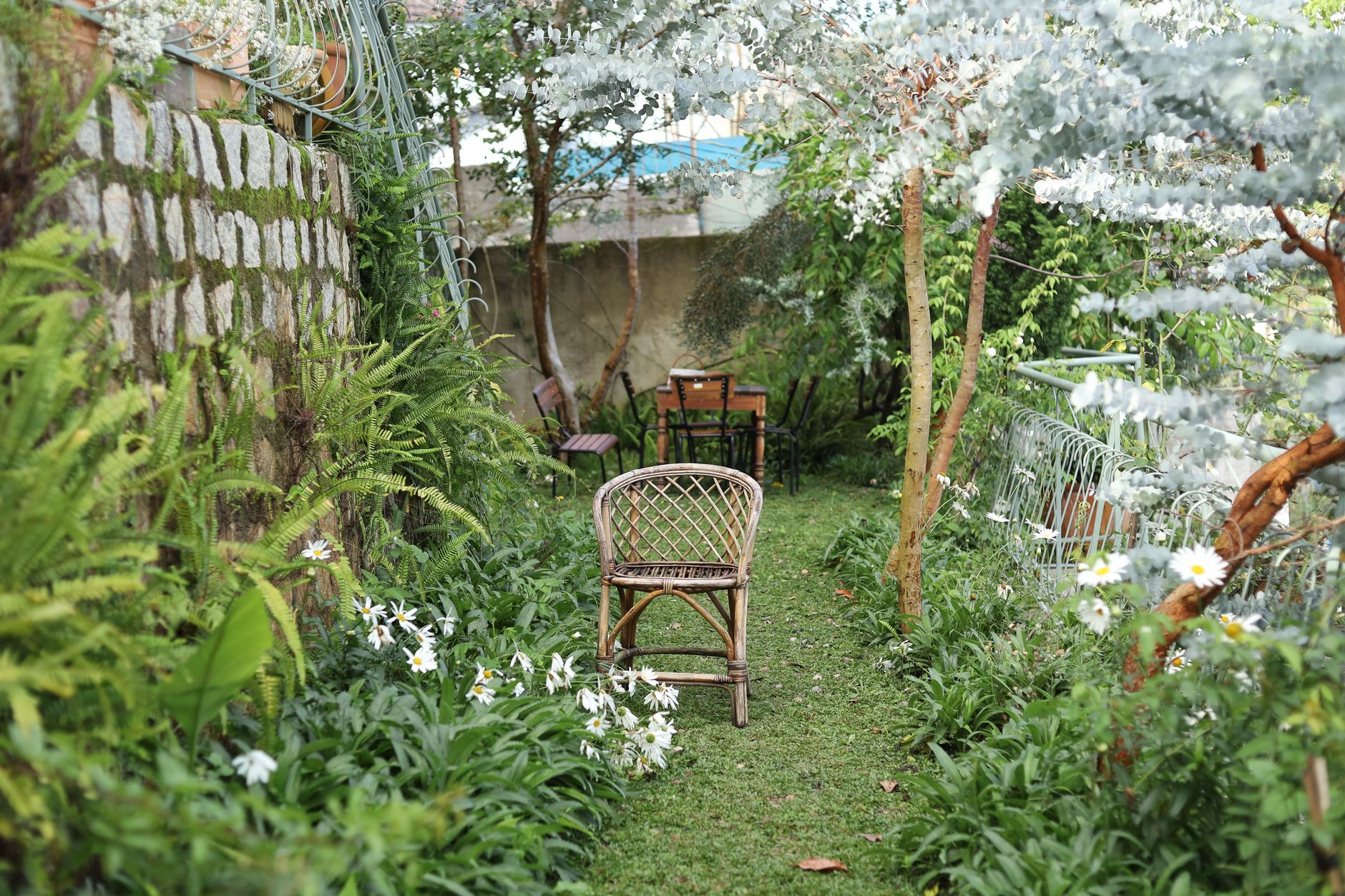
A large or complex garden can be the feature that makes a buyer fall in love with a property before they've even stepped through the front door. It can also be the feature that sends them running. The difference almost always comes down to how you present it, photograph it, and write about it in your listing. Sellers with established gardens, native plantings, productive kitchen gardens, or heavily landscaped outdoor spaces need a deliberate strategy, not just a lawnmower and a prayer.
Understand the buyer you're actually selling to
Not every buyer wants a large garden. A sprawling, high-maintenance outdoor space will put off downsizers and time-poor professionals just as readily as it will attract keen gardeners and families. Before you do anything else, get clear on who is most likely to buy your property given its size, price bracket, and location. A 1,200 square metre block in a suburb popular with families is a different proposition to the same block in a tightly held inner-ring suburb where buyers are mostly couples.
Once you know your buyer, you can frame the garden to match their life. A kitchen garden full of herbs and raised beds reads as a food lover's sanctuary. A structured formal garden with clipped hedges and stone pathways reads as low-watering-once-established. A lush tropical planting reads as privacy and ambience. The feature stays the same; the story you tell about it changes.
Get the garden into photo-ready condition
Professional photography is the single highest-return investment in any property sale, and a garden that photographs well adds real dollars. But a complex garden can look chaotic or dated in photos if it isn't prepared carefully. The goal isn't a sterile show garden. It's a garden that reads as cared-for, intentional, and liveable.
Start with the basics: mow and edge every lawn area, prune anything that looks ragged, remove dead plants entirely rather than leaving them as brown skeletons, and clean all hard surfaces including paths, steps, and retaining walls. Garden beds benefit from a fresh top dressing of mulch right before the shoot. It costs very little and the visual difference in photos is significant.
Furniture matters too. A well-placed outdoor setting, a few potted plants on a step, or a hammock between two mature trees turns a garden from a landscape into a lifestyle. For detailed guidance on making outdoor spaces shine, the advice on styling an outdoor entertaining area for property photos applies directly to most garden setups.
Plan the photography sequence strategically
A complex garden often needs more than two or three exterior shots. A single wide-angle image from the back steps won't communicate the scale, the variety of spaces, or the sense of moving through the garden. Work with your photographer to plan a sequence that takes buyers on a visual journey: the arrival view from the rear of the home, a mid-garden perspective showing depth, detail shots of key features like a pond, productive beds, or a seating alcove, and at least one image that captures scale.
Timing matters for gardens more than almost any other feature. Soft morning light or late afternoon golden hour makes foliage glow and eliminates the harsh shadows that flatten outdoor spaces. If the garden faces south and sits in shade for most of the day, discuss this with your photographer before the shoot date rather than discovering it on the day.
Drone photography deserves serious consideration for large gardens. An aerial image can communicate the full extent of a property and its outdoor space in a single frame that no ground-level shot can match. Drone photography for property sales explains what aerial imagery actually does for a listing and when it's worth the investment.
Write copy that translates the garden into a lifestyle
Most listing descriptions of large gardens fall into one of two traps: they list plant species (meaningless to most buyers) or they reach for vague adjectives like "magnificent" and "sprawling" that carry no weight. Neither approach works.
Write instead about what the garden allows: morning coffee on a north-facing terrace, kids playing on flat lawn while adults cook in a covered outdoor kitchen, a private rear section screened by a mature bamboo hedge. Describe spaces, not specimens. If the garden produces something useful, say so directly. "A productive kitchen garden with established herb beds and six vegetable plots" is far more compelling than "extensive planting."
Avoid framing the garden's size as a burden. Phrases like "generous maintenance schedule" or "requires a keen gardener" signal work, not lifestyle. If the garden does require real upkeep, acknowledge it plainly in context and then redirect to its rewards.
Address the maintenance question before buyers raise it
Buyers who love gardens still think about maintenance costs. Buyers who are indifferent to gardens think about almost nothing else. If your garden is large, expect the question. The best way to handle it is to answer it before it's asked.
If you use a regular gardening service, mention the cost in your marketing material or have the information ready for open homes. If the garden is designed around low-water plants or has an irrigation system, make that explicit in the listing. A drip irrigation system covering 600 square metres of beds is a genuine selling point that most sellers forget to mention. Practical detail here does more than reassuring adjectives.
If part of the garden is genuinely difficult, such as a steep embankment or a section of dense native planting that needs annual clearing, don't hide it. Buyers will see it at the inspection. Naming it honestly, alongside what you do to manage it, is more effective than hoping nobody notices.
Consider a floor plan that includes the outdoor spaces
For properties where the garden is a primary selling feature, a site plan or landscape floor plan can be genuinely useful. It shows the layout of distinct garden zones, the relationship between indoor and outdoor spaces, and the position of key features like sheds, water tanks, and entertaining areas. Buyers who can't physically attend the first open home can orient themselves in the property from the plan rather than trying to piece it together from photos alone.
A floor plan in a real estate listing bridges the gap between beautiful imagery and practical spatial understanding, and for a complex property with substantial outdoor space, that gap is wider than average.
Kerb appeal is still the first impression
Whatever is happening in the rear garden, buyers form their first impression from the street. A large property with a spectacular back garden and a neglected front yard has already created doubt before the inspection begins. Front fences, letterboxes, paths, and the visible planting from the street all need the same attention as the rear. If the front garden is also complex, it gets the same strategic treatment: tidy, styled, and photographed with intention.
A complex or large garden is genuinely one of the rarer features in Australian residential real estate. Presented well, it commands a premium. Presented poorly, it becomes the objection that costs you the sale.