
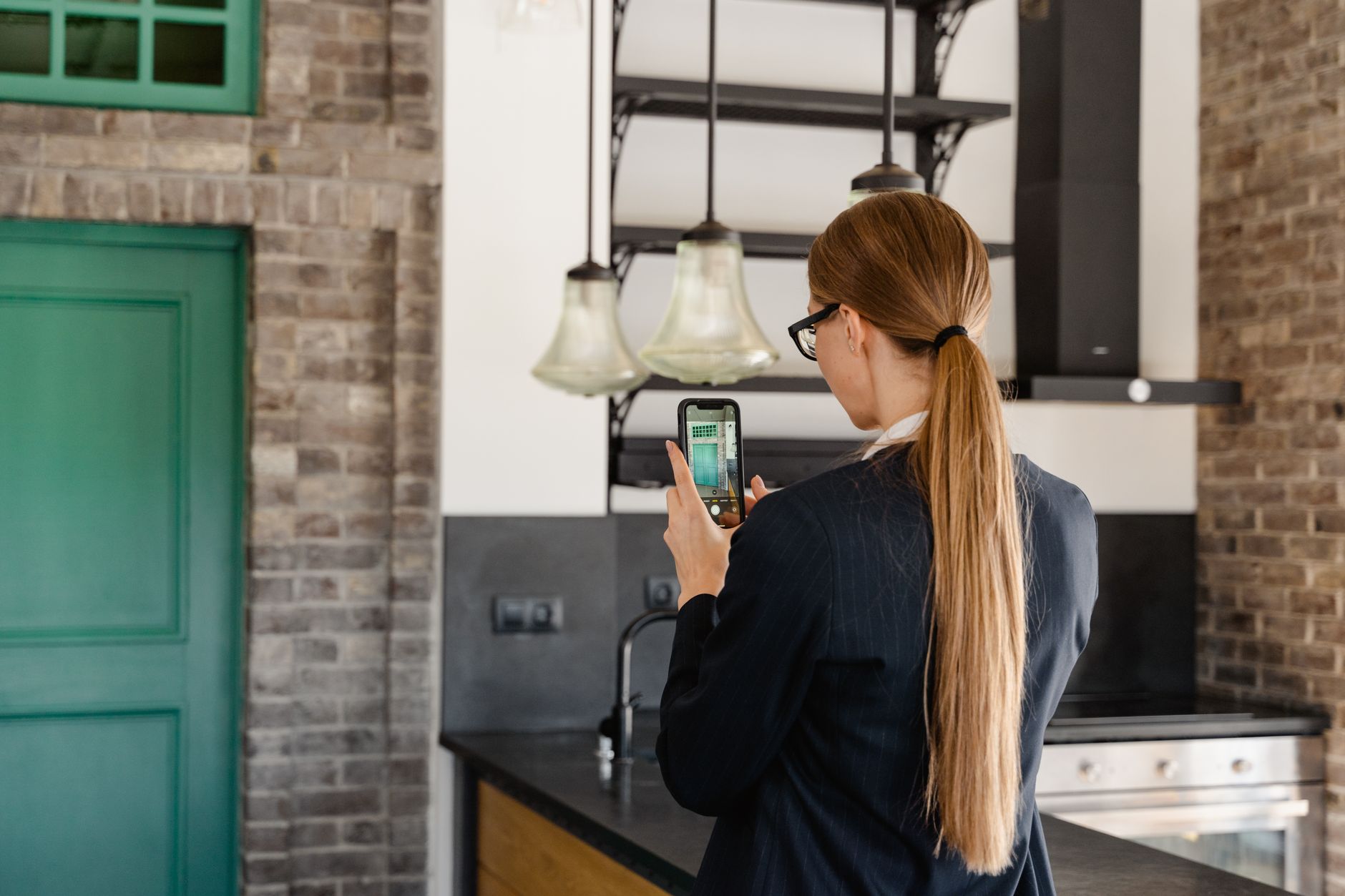
Social media for real estate has shifted from a nice-to-have into one of the most cost-effective marketing channels available to agents and sellers. The right post, on the right platform, at the right moment can put a property in front of thousands of local buyers who might never have found it on a listing portal. But the gap between posting for the sake of it and posting with a real strategy is enormous, and most listings never bridge it.
Why social media works differently to traditional property portals
Listing portals are pull channels: buyers come to them with intent, searching for something they already know they want. Social media is a push channel. You are reaching people before they've decided to buy, while they're scrolling through breakfast, commuting, or winding down after work. That changes what effective content looks like. It needs to stop the scroll first, then earn the click.
This distinction matters because the content that performs on portals (clean floor plans, a long feature list) rarely performs on social. On social, emotion and visual impact do the heavy lifting. A beautifully framed shot of a sun-drenched kitchen terrace will outperform a bullet-pointed feature list every single time. Understanding this is the foundation of every strategy that actually works.
Choosing the right platforms
Not every platform deserves equal attention. Here's where real estate content tends to perform best in the Australian market.
- Instagram: The visual nature of the platform makes it the natural home for property content. High-quality photos, short Reels, and Stories all perform well. It's also where younger first-home buyers and upgraders are spending time.
- Facebook: Broader demographic reach than Instagram, particularly among the 35-65 age bracket that makes up a significant share of property buyers. Facebook Groups in local suburbs can be especially powerful for driving organic reach.
- TikTok: The growth in property content on TikTok has been significant. Short-form video walkthroughs, renovation reveals, and "day in the life of a property" formats can achieve viral reach with the right hook.
- LinkedIn: Often overlooked in real estate, but valuable for commercial properties, investment-grade listings, and building a professional profile as an agent or photographer.
What content actually drives enquiries
The agents and sellers who get results from social media share one habit: they lead with visuals that earn attention before they say a word about price or features. Professional photography is not just nice to have here, it's the non-negotiable foundation. A poorly lit, awkwardly composed phone snapshot will actively hurt a listing's perceived value, even if the property itself is exceptional.
Content formats that consistently generate strong engagement include:
- Short video walkthroughs: 30 to 60 seconds, starting in the most visually striking room. Music, smooth movement, no voiceover needed.
- Before-and-after reveals: Particularly effective for renovated properties or listings that have been styled and photographed professionally.
- Neighbourhood context posts: Buyers aren't just buying a home, they're buying into a street, a suburb, a lifestyle. A short video of the local café strip, walking track, or school can be genuinely persuasive.
- Behind-the-scenes content: The photo shoot day, the styling session, the drone footage being captured. This builds trust and humanises the listing process.
- Drone aerial shots and video: Aerial content stops scrollers cold. If a property has land, a view, or significant streetscape appeal, drone photography for property sales is one of the highest-performing content types across every platform.
Posting cadence and timing
Consistency matters more than volume. Posting seven times in one week and then disappearing for three weeks confuses algorithms and loses momentum with your audience. A realistic cadence for a listing campaign might look like this:
- Day 1 (launch): hero shot or short video walkthrough across Instagram and Facebook, with a link to the full listing.
- Day 3: neighbourhood lifestyle content or a secondary room shot with a compelling caption.
- Day 5: open home reminder with a short Reel or Story.
- Day 7: behind-the-scenes or feature spotlight post.
In terms of timing, mid-morning (around 9am to 11am) and early evening (7pm to 9pm) tend to deliver the best organic reach for property content in Australian time zones. That said, platform analytics for your specific audience should always take priority over general rules.
Paid social: when to boost and when to hold back
Organic reach on Facebook and Instagram has declined steadily over the past several years. For a listing that needs serious buyer reach quickly, a modest paid budget can make a significant difference. Facebook and Instagram ads allow targeting by postcode, age bracket, income level, and life events such as "likely to move" or "recently married." Even a spend of $50 to $150 per week over a campaign can multiply the number of people who see a listing beyond what organic reach alone delivers.
The creative rules are the same: lead with your best visual. A boosted post with a mediocre photo will underperform a well-crafted organic post. Before putting any budget behind content, make sure the imagery is strong enough to justify it. This is one reason that professional property photos pay for themselves many times over in a digital marketing context.
Social media as part of a broader strategy
Social media works best when it's one layer of a coordinated marketing approach rather than a standalone effort. It complements portal listings, email campaigns to buyer databases, and open home promotion. Agents who treat all these channels as connected, pointing back to the same compelling visual assets and the same listing story, consistently outperform those who silo each channel.
If you're thinking about the full picture of how to present a property across every digital touchpoint, the principles outlined in how to market a property online and attract serious buyers give a strong framework for tying everything together.
Ultimately, social media for real estate rewards the same thing that all good marketing rewards: genuine quality at the foundation. Great photography, compelling video, and an authentic representation of what makes a property worth buying. Get those elements right, and social becomes a powerful amplifier. Skip them, and no amount of posting frequency or ad spend will close the gap.