
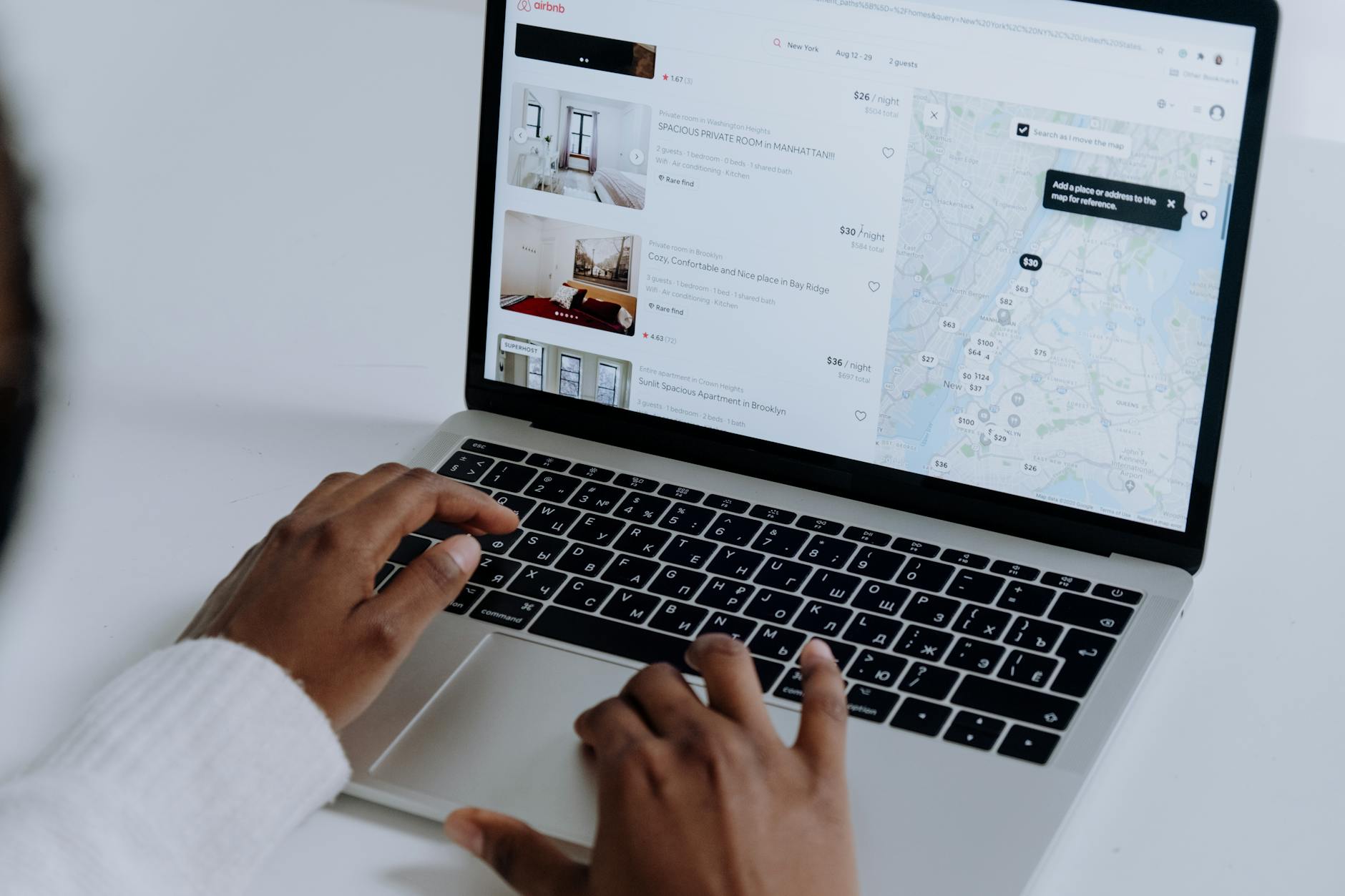
Knowing how to market a property online is no longer optional for sellers who want a strong result. Buyers begin their search on a screen, scrolling through listings before they ever set foot at an open home. If your property doesn't stand out digitally, it risks being overlooked entirely, regardless of how appealing it is in person. A well-planned online marketing strategy combines visual quality, the right platforms, and targeted promotion to put your listing in front of motivated buyers at exactly the right moment.
Start with photography that stops the scroll
Every other element of your online marketing depends on the quality of your images. Buyers make snap decisions based on the first one or two photos they see in a listing feed, and poor photography will push them straight to the next property. Professional real estate photography captures rooms at their best: the right angles, flattering light, and post-processing that makes spaces look inviting without misrepresenting them. If you haven't already, read about how professional property photos sell homes faster to understand just how much imagery influences buyer behaviour and sale timelines.
Beyond standard interior and exterior shots, consider adding drone photography for properties with a strong land component, elevated position, or proximity to water. Aerial imagery communicates context that no ground-level shot can, showing buyers the neighbourhood, the block size, and the surrounding lifestyle all at once. Twilight photography is another powerful option for properties where the facade and outdoor entertaining areas create a warm, aspirational mood after dark.
Build a listing that works on every platform
Once your photography is sorted, the listing copy needs to do serious work. Write a headline and description that speaks to the lifestyle your property offers, not just a list of features. Buyers searching online are imagining themselves living in the home, so language that paints a picture converts better than a dry specification sheet. Include accurate bedroom and bathroom counts, parking details, land size, and any standout features, but weave them into a compelling narrative rather than a bullet-point inventory.
Your property should be listed on the major Australian portals, including realestate.com.au, as these are where the overwhelming majority of Australian buyers begin their property search. Premium placement on these platforms gives your listing more visibility in search results and is generally worth the additional cost for properties where a faster sale matters. Make sure your listing photos are uploaded in full resolution and that the first image shown is your strongest shot.
Use social media as an active marketing channel
Social media is no longer a passive channel for property marketing. Facebook and Instagram both offer paid advertising tools that let you target buyers by location, age, household income, and life stage, which means you can put your listing in front of people who are actively looking in your area and price bracket. Short-form video, including property walkthroughs and neighbourhood highlight reels, performs particularly well on these platforms because it gives buyers a far richer sense of the space than static images alone.
Organic posts on your agent's or agency's social profiles also contribute. A well-presented listing shared to an engaged local following can generate shares, saves, and direct enquiries that the portals alone wouldn't capture. Consistency matters here: post the listing across channels, follow up with behind-the-scenes content (like a styled interior or twilight shoot), and keep momentum building through the campaign period.
Add video and virtual walkthroughs to your campaign
Video content has become an expected part of competitive listings, especially for prestige properties and homes being marketed to interstate or overseas buyers. A professionally edited property video, ideally two to three minutes in length, works well on listing portals and social platforms alike. It should move through the home in a logical sequence, highlight the most appealing spaces, and include a brief exterior and street view.
Virtual tours offer an additional layer of engagement for buyers who can't attend in person. These interactive walkthroughs let a potential buyer explore every room at their own pace, which builds confidence and reduces the friction of making an enquiry. When combined with strong still photography, a video and virtual tour give your listing a comprehensive digital presence that competes at the top end of the market.
Prepare the property before it goes live
All of the marketing in the world won't compensate for a property that photographs poorly. Before your shoot day, declutter every space, address any obvious maintenance issues, and style each room to feel welcoming and well-considered. Pay particular attention to lighting: open curtains to maximise natural light, replace any dead globes, and add lamps to darker corners. For a detailed guide to getting every room camera-ready, our article on how to prepare your home for a real estate photo shoot covers exactly what to do and in what order.
The effort you put into preparation directly affects how your marketing performs. A photographer working with a well-prepared, styled home has the raw material to produce imagery that justifies premium portal placement and performs strongly on social media. Cutting corners at this stage undermines every dollar spent on the campaign that follows.
Track what's working and adjust
Online property marketing is measurable in a way that traditional print never was. Most major portals provide vendors with data on how many views their listing has received, how many enquiries have come through, and how the property compares to similar listings in terms of engagement. Pay attention to these numbers during your campaign. If views are strong but enquiry rates are low, the issue may be in the copy or the price. If views themselves are low, the photography or the listing placement may need reviewing.
Work closely with your agent to interpret this data and make adjustments. Refreshing the lead photo, updating the headline, or repositioning the price based on market feedback can all make a meaningful difference mid-campaign. The best online property marketing strategies are not set-and-forget: they respond to real-time data and keep the listing feeling fresh throughout the selling period.
Getting your online marketing right requires investment in quality at every stage: from the photography and the listing copy through to the platforms you choose and the paid promotion you run. The sellers who consistently attract strong buyer interest are the ones who treat their online presence as a campaign, not a checklist.