
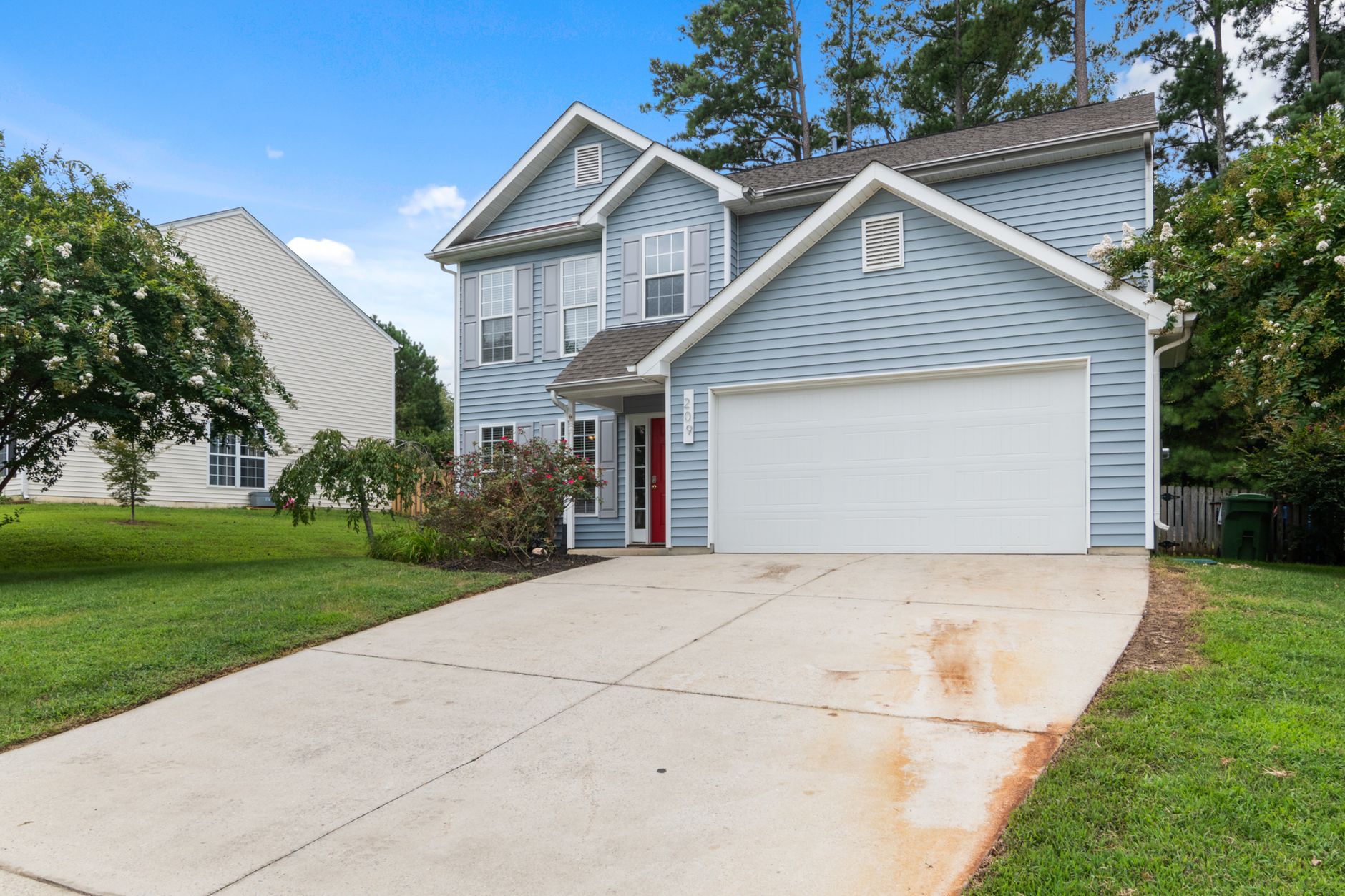
A shared driveway is one of those property features that sellers tend to bury in the fine print, hoping buyers won't notice until they're already in love with the house. That instinct backfires almost every time. Buyers who discover a shared driveway at inspection, without any prior context, feel ambushed. They start asking harder questions, they negotiate harder, and some simply walk. Getting ahead of it with deliberate, honest marketing is almost always the better play.
Why shared driveways cause buyer hesitation
The hesitation isn't really about the driveway itself. It's about the unknown: who the neighbours are, whether there's a legal agreement in place, who pays for repairs, and whether parking will be a daily negotiation. Buyers imagine the worst-case version before they have any facts. Your marketing job is to replace that imagination with clear information, early in the process.
This is particularly true in urban areas where land is tight and shared access arrangements are common. Many buyers have lived happily in properties with shared driveways for years. They just need to know the arrangement is documented and functional before they commit emotionally to a home.
Get the paperwork straight before you list
Nothing calms a buyer faster than a vendor who already has the answers. Before your listing goes live, pull together the legal documentation covering the shared access. This typically means a right-of-way or easement registered on the title. Confirm who owns which portion of the driveway, whether maintenance costs are split, and whether there are any restrictions on use (such as commercial vehicles or trailers).
If the arrangement is informal and undocumented, fix that before you list. An unregistered verbal agreement between neighbours is a genuine liability, and a savvy buyer's solicitor will find it immediately. Ask your conveyancer to formalise the arrangement. It costs relatively little and removes the single biggest objection buyers will raise.
Once the paperwork is solid, include a summary of the access arrangement in the listing copy. Don't hide it in a footnote. A one-sentence plain-English description, like "Shared driveway access is governed by a registered easement, with maintenance costs split equally between both properties," does more good than any amount of evasion.
How to write listing copy that addresses the driveway honestly
Listing descriptions that skip the shared driveway entirely do the seller no favours. Buyers who are interested enough to book an inspection will read the section 32 or contract documents before they go. If the driveway isn't mentioned in the listing but appears in the legal docs, the first question at inspection is always "why didn't you mention this?"
Mention it directly, keep it brief, and frame it accurately. Something like: "Private courtyard garden, accessed via a shared sealed driveway with registered easement." That's it. The detail is there, it's factual, and the listing moves on to the features that sell the home. The same principle applies when writing any listing copy, whether you're dealing with a quirky access situation or a more straightforward renovation. For a deeper look at how to position a property's story in words, the guide on property listing descriptions that attract serious buyers covers the structure of copy that converts browsers into genuine prospects.
If the driveway genuinely affects the property's kerb appeal, acknowledge that in the copy too. Don't call a narrow concrete path "grand entry access." Buyers who arrive expecting something different will be immediately on the back foot, and that costs you trust at the exact moment you need it most.
Photography and visual presentation of the driveway
The instinct to avoid photographing the shared driveway is understandable but counterproductive. A driveway that's absent from the listing photos is the first thing buyers look for when they arrive. If it looks worse in person than their imagination allowed, the inspection starts on the wrong foot.
Photograph the driveway at its best. Shoot on a day when both neighbours' sections are tidy, cars are moved if possible, and the surrounding garden or landscaping looks presentable. A wide-angle shot from the street showing the driveway entry in context can work well, particularly if it's framed by a garden or fence that gives the property a clear sense of boundary and identity.
Drone photography is especially useful here. An aerial shot showing the property's position on the block, the driveway's length, and the surrounding neighbourhood can give buyers a much clearer spatial understanding than any ground-level photo. It also shows that the property has room around it, which is often the thing buyers are most uncertain about when a shared driveway is involved. Kitti Rivers Real Estate Photography offers drone photography for property listings that gives buyers exactly this kind of confident aerial overview.
Inside the listing gallery, place the driveway photo early, not last. Putting it near the end looks like you're hiding it. A property that presents its access arrangement confidently, alongside strong interior shots, reads as a home that has nothing to conceal.
Handling buyer questions at inspection
Prepare your agent with answers, not scripts. Buyers who ask about the shared driveway are almost never trying to find a reason to walk. They want reassurance. The agent should be able to confirm the easement is registered, explain the maintenance arrangement in plain language, and point to the documentation available in the contract of sale.
If the neighbours are cooperative, it's worth a quiet conversation before the campaign starts. Knowing that the other party is friendly and the arrangement has worked smoothly for years is genuinely useful context for a buyer. It's not something to put in the listing copy, but it's exactly the kind of thing an agent can mention naturally during an inspection.
Keep the open home timing in mind too. Inspect on a day when the neighbours' portion of the driveway is likely to be uncluttered. A shared driveway piled with bins and a boat on inspection day will undo weeks of careful marketing in about 30 seconds.
Connecting the property's access to its strengths
A shared driveway often exists because the property sits behind another building, down a right-of-way, or at the rear of a subdivided block. These configurations sometimes come with genuine advantages: more privacy, less street noise, a larger rear garden. Lead with those. The shared driveway is the condition of access; the quiet private garden at the back is the reward for using it.
This is closely related to the challenge of marketing a property that doesn't have conventional street exposure. The strategies for marketing a property with no street presence apply directly here, particularly around using visual storytelling to guide buyers through the entry sequence rather than leaving them to piece it together on arrival.
Buyers who understand what they're getting before they arrive are far more likely to make an offer than buyers who feel surprised by the access. Present the driveway clearly, support it with good photography, and back it up with clean paperwork. That combination turns a potential objection into a detail buyers file away and move on from.