
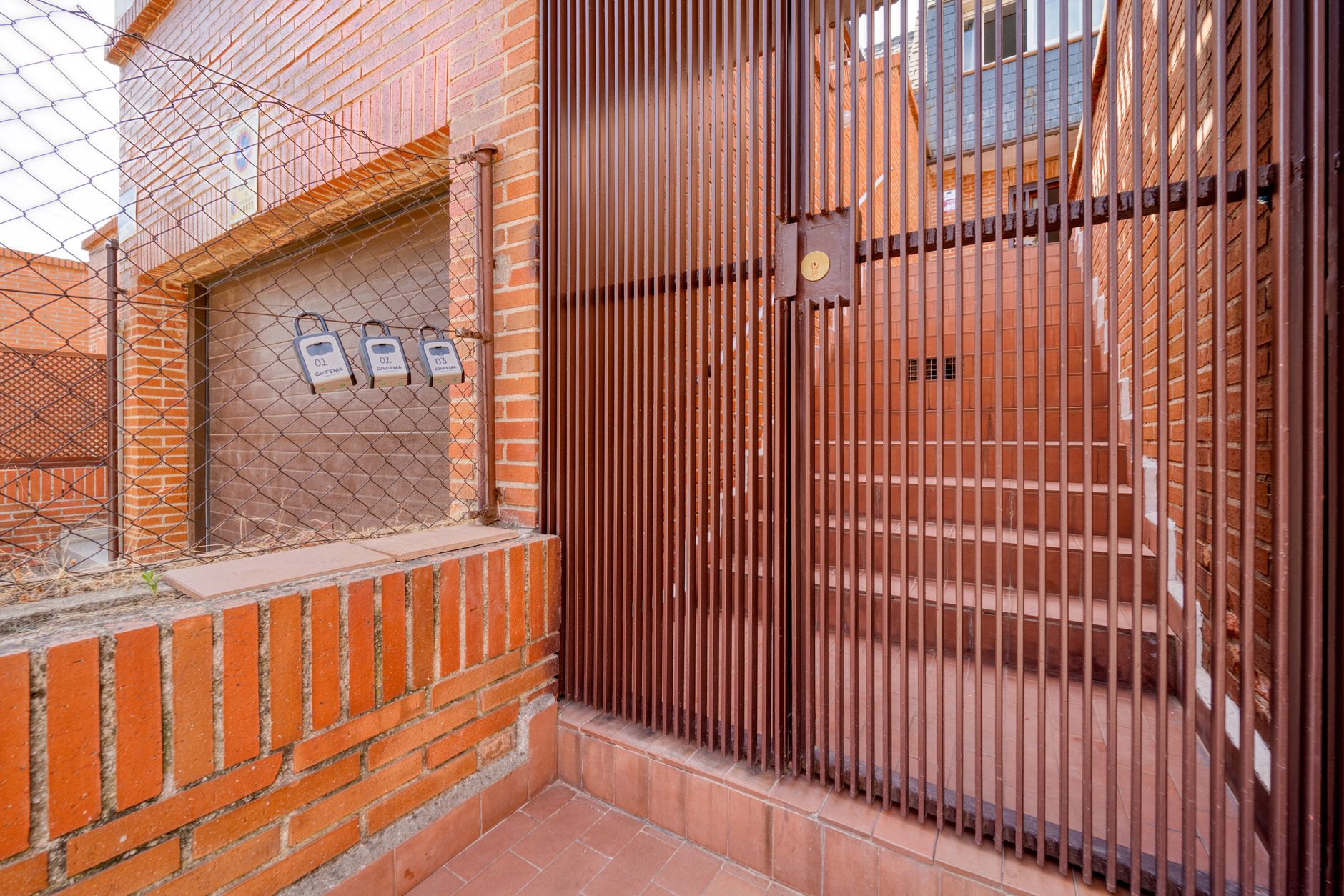
Properties with no street presence sit in their own difficult marketing category. The buyer scrolling through listings can't do a casual drive-by. The front-on exterior shot, which does most of the emotional lifting in a standard listing, either doesn't exist or shows a gate, a fence, or someone else's building. Kitti Rivers Real Estate Photography works with these properties regularly, and the approach that works relies on a very specific combination of aerial imagery, sequenced photography, and copy that reframes the location before a buyer has time to see it as a drawback.
Why no street presence hurts listings (and what actually fixes it)
The problem isn't the property. It's the mental image a buyer forms in the first two seconds of seeing the listing. A narrow shared driveway reads as "cramped." A gate with no view behind it reads as "something to hide." Neither impression is accurate, but first impressions formed online are sticky. The fix isn't to ignore the access situation. It's to control the narrative before the buyer forms their own.
Drone photography is the most direct tool for this. A drone photography approach gives buyers an aerial view that shows exactly where the property sits, how large the block is, and what surrounds it. For a rear villa or a home down a long driveway, a bird's-eye shot communicates privacy, land size, and position in a way no ground-level exterior can. Place this image early in the gallery, not at the end where buyers rarely scroll.
Sequencing the photo gallery to guide the buyer in
Most listing galleries open with an exterior and move inside. For a property with no street presence, that sequence creates an immediate problem: the exterior image is either absent or underwhelming. Reorder it.
Start with the best interior shot. The kitchen, the main living space, or a standout architectural feature. Give the buyer a reason to care about the property before they see anything that might confuse them. Then introduce the aerial shot to establish context. Follow with any attractive approach photography: a well-lit pathway, garden entry, or courtyard gate that reads as welcoming rather than obstructive. Save the access driveway shot for later in the sequence, or omit it entirely if it adds no value.
This isn't dishonesty. Every buyer will attend an inspection and understand the access. The gallery's job is to generate enough interest to get them there.
Making the interior carry more weight
When the exterior can't do its usual job, the interior has to work harder. A well-photographed kitchen or living room becomes the de facto hero image, so every room needs to be styled and shot to a higher standard than a standard listing might demand.
Decluttering and staging matter more here. Home staging that might be optional for a property with a photogenic street facade becomes non-negotiable for one that leads with interiors. Buyers need to fall for the inside before they even think about the outside. Light, flow, and space are what you're selling, so the photography needs to capture all three cleanly.
Floor plans also become critical. Buyers who can't do a drive-by rely on floor plans to understand how the property is laid out and oriented. Include a professionally drawn floor plan in the listing, and consider a 3D virtual tour so buyers can explore the layout before committing to an inspection.
Writing listing copy that reframes the location
The listing description needs to address access head-on, but in a way that positions it as a feature. Words like "secluded," "private," "retreat-style," and "set back from the street" tell a different story than "rear of block" or "via shared driveway." They're all accurate. Only one of them sells.
Pair that framing with specifics. How far is the property from the street? What does the approach feel like? Is there a garden path, a courtyard, mature trees? Give the buyer a sensory image of the arrival experience. Listing copy that attracts serious buyers goes beyond adjectives and tells a story the photography supports.
Be precise about access. If there's a shared driveway, say so. If there are visitor parking spots, mention them. If the property has its own dedicated entrance, make that clear. Buyers who feel surprised or misled at inspection won't make offers.
Paid social and targeted digital channels
Properties without street presence don't benefit from passerby interest, which means the entire buyer funnel has to run through digital channels. This makes targeted advertising more important than it is for a standard listing.
realestate.com.au and Domain premium placements push listings to the top of suburb searches and significantly increase the number of buyers who see the gallery and description. For a property where the listing itself must do the job of the street facade, maximum exposure on these platforms isn't optional. Upgrade listings to the highest tier the budget allows.
Paid social ads targeting buyers within a defined radius and income band can also surface the listing to people who'd never think to search the suburb. Short video walkthroughs work particularly well: a 30-second reel that starts inside and moves to the aerial view gives buyers the sequence they need to understand and connect with the property.
Open home strategy for hidden properties
Even with strong digital marketing, buyers who can't find the property on inspection day won't make offers. Signage on the street is critical. Talk to the agent about placing directional signs at the street entry, along the driveway or path, and at any point where the approach is ambiguous. Balloon clusters at the street entry are visible from 100 metres and remove any hesitation about turning in.
Send a map with the inspection notification. A simple Google Maps pin shared via text or email saves buyers the frustration of circling the block. A buyer who arrives stressed and confused is not in the right frame of mind to fall in love with a property.
The marketing challenge for a hidden property is real, but it's not unusual. With the right photography sequence, a drone image that establishes context, copy that leans into privacy and seclusion, and paid digital placement that replaces street-level discovery, these properties sell well. They attract a specific buyer: one who values quiet, privacy, and separation from the street. That buyer exists in every market. The job is to reach them before they filter the property out.