
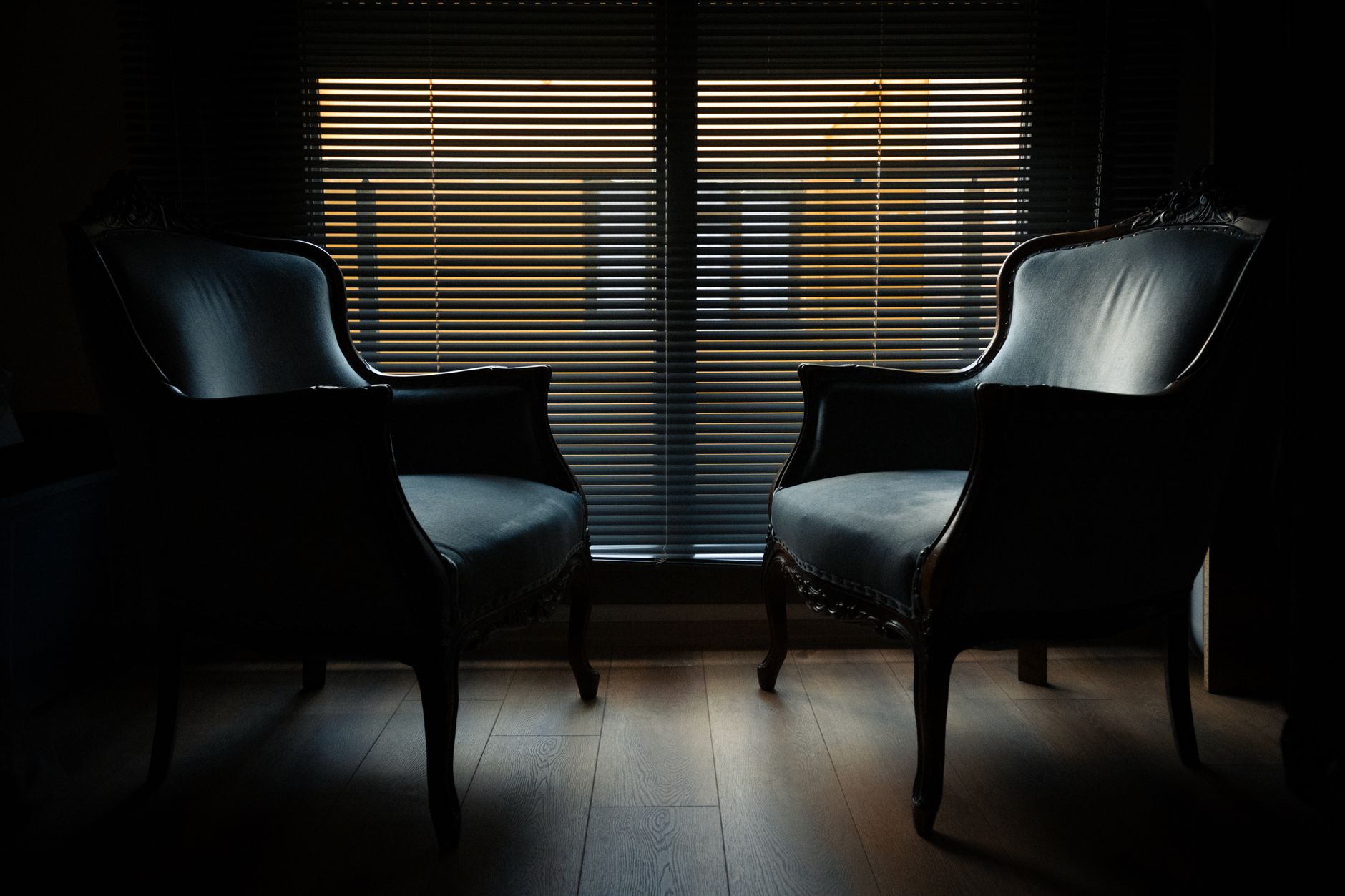
A property with limited natural light carries a stigma that most sellers don't know how to shake. Buyers see the photos, notice the dimness, and mentally add the property to the "too dark" pile before they've booked an inspection. The problem is almost never the property itself. It's the way it's been presented. With the right marketing approach, low natural light shifts from a liability to a footnote that motivated buyers barely notice.
Why the standard approach fails dark properties
Most sellers and agents treat low natural light the same way they'd treat any listing: shoot on a sunny day, upload the images, write a description, and hope for the best. That approach exposes every weakness a dark interior has. Ambient-only photography on an overcast day turns beige walls grey. Under-lit corners look neglected. Even genuinely beautiful spaces read as cold and unwelcoming.
The deeper problem is that buyers can't mentally override what they see. If the photos look dark, the property feels dark, regardless of how the space actually performs on a warm Saturday afternoon. The marketing job is to eliminate that gap between perception and reality before it drives buyers away.
Get the photography right first
Photography is where the work starts. A dark property shot with ambient light only will always look dark. Kitti Rivers Real Estate Photography uses a combination of off-camera flash, supplementary lighting, and careful exposure blending to fill the shadows that natural light can't reach. The result is a room that looks well-lit without looking artificially lit. It reads as bright and inviting, which is exactly what the listing needs.
Timing matters too. Shooting a south-facing or heavily shaded property in the middle of a bright day often works against you: harsh contrast between sunlit windows and shadowed walls creates blown-out frames that are difficult to recover. A slightly overcast morning frequently produces softer, more controllable light that's easier to supplement. Understanding when to use flash versus ambient light is the single most practical skill for handling properties that don't have light working in their favour.
Artificial lighting inside the property deserves attention before shoot day. Warm-toned globe replacements in key rooms, a floor lamp borrowed from a spare room, or simply switching on every built-in light makes a measurable difference. Buyers read lit lamps as warmth. That's not a trick. It's honest presentation.
Lean into warmth, not brightness
There's a framing error sellers make constantly: they try to sell a dark property by promising it's brighter than it looks. Buyers don't believe it. A smarter angle is to lean into warmth and atmosphere rather than fight the light conditions the property genuinely has.
Dark interiors styled with rich textures, warm lighting, and deliberate colour choices can look genuinely stunning in photos. Buyers who love moody interiors, bold design, and cosiness respond to properties that embrace their character rather than apologise for it. Photographing a home with a dark or moody colour scheme follows exactly this logic: commit to the aesthetic, light it correctly, and the result is a listing that attracts buyers who will love it rather than repel buyers who will only tolerate it.
Styling plays a critical role here. Mirrors placed to bounce whatever light exists, reflective surfaces on benchtops and side tables, and light-coloured soft furnishings all lift perceived brightness without misleading anyone. It's also worth noting that decluttering removes the visual weight that makes dark rooms feel smaller. Every unnecessary object absorbs light.
Write copy that reframes the conversation
Listing copy for a low-light property shouldn't hide the light conditions, and it shouldn't lead with them either. The goal is to reframe. Phrases like "intimate ambiance", "a cosy, sheltered feel", and "well-lit with warm artificial lighting throughout" are honest and appealing. Generic phrases like "requires TLC" or saying nothing about light at all leave buyers to draw their own conclusions, usually unflattering ones.
Specific features that compensate for low natural light deserve prominent placement in the copy. A great kitchen layout, a generous bedroom, a thoughtfully designed bathroom: these are the reasons a buyer chooses a property. Lead with them. Let the light be context, not the story.
Floor plans are particularly useful for dark properties. A buyer who can see that rooms are genuinely generous, that ceiling heights are solid, and that the layout flows well is far more willing to book an inspection than a buyer who only has photos to go on. Floor plan photography gives buyers the spatial confidence that listing photos alone often can't provide in a darker home.
Target the right buyers from the start
Not every buyer wants a sun-drenched, north-facing property. Investors looking at yield rather than liveability care very little about light levels. Buyers downsizing to a lock-and-leave apartment prioritise security and location. Buyers in warmer climates sometimes actively prefer a property that stays cool and sheltered through summer. The marketing strategy for a low-light property should identify these buyer segments and speak directly to them, rather than trying to convince sun-chasers to lower their standards.
Paid social ads give you precise control over who sees the listing. Target by age bracket, suburb, and stated housing preferences rather than blasting a general audience who will filter the property out immediately. A well-targeted campaign for the right audience converts at a far higher rate than a broad one.
Price positioning also matters. A property with genuine light limitations that's priced honestly for that reality attracts buyers who've made the comparison themselves and decided the value is there. An overpriced dark property just sits.
What to do before the photographer arrives
Preparation on shoot day can make or break a low-light listing. Replace any dead bulbs in the week before the shoot. Clean every window: even modest natural light is reduced by grime, and clean glass makes an immediate difference. Pull blinds and curtains fully back and consider removing heavy curtain panels temporarily if they eat light without adding much to the aesthetic.
Remove furniture that blocks windows from any angle the photographer is likely to use. Move pot plants away from the window line. If the property has any outdoor space, even a small courtyard or balcony, keep it immaculate: a glimpse of outside through glass makes an interior feel connected to the world rather than closed off from it.
The sellers who get the best results from dark properties are the ones who understand that great outcomes require deliberate effort on multiple fronts: photography, styling, copy, targeting, and price. Each one on its own is insufficient. Together, they close the gap between a property buyers scroll past and one they show up to inspect.