
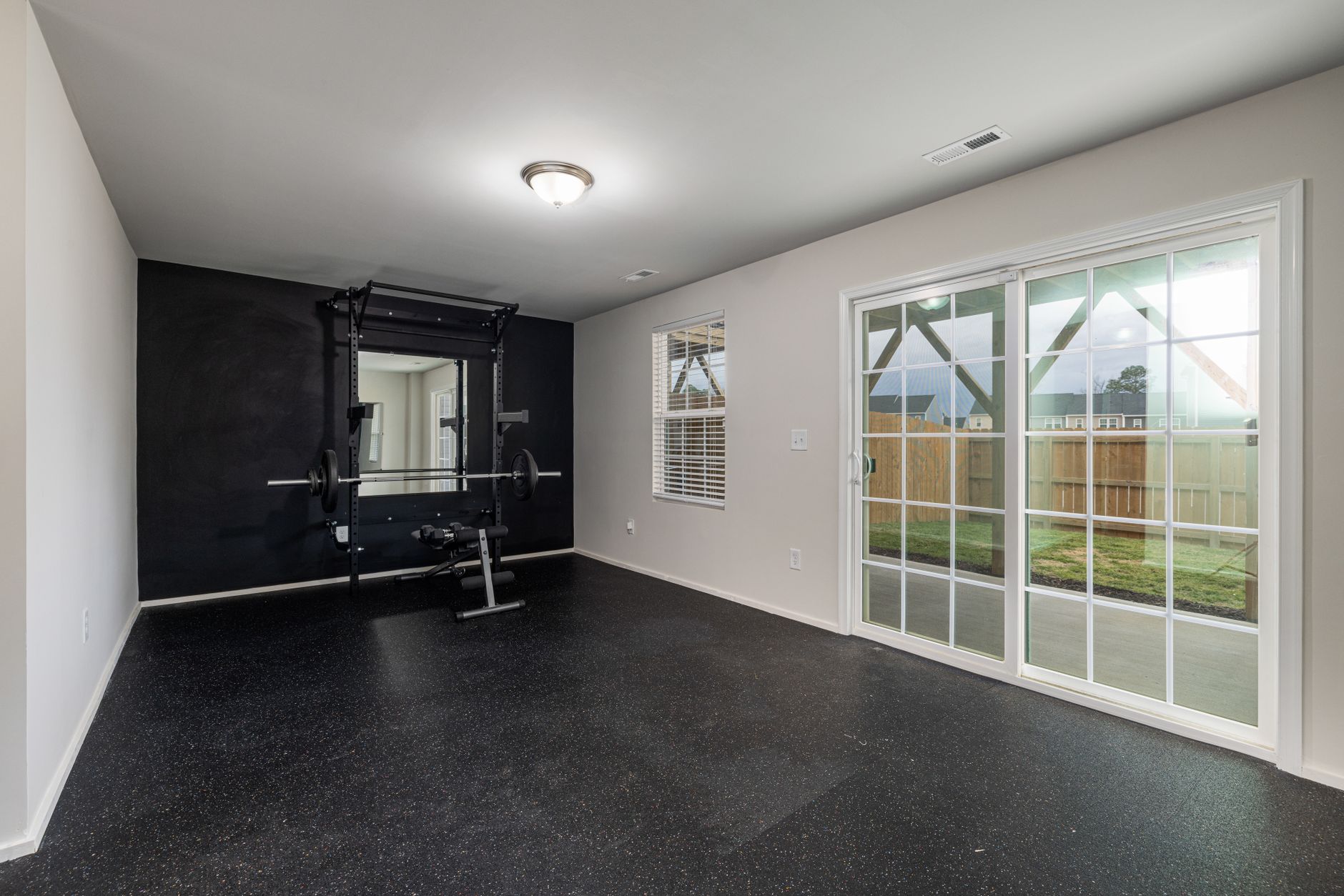
A home gym or wellness space can tip a buyer's decision faster than almost any other bonus room in a property. Buyers who work out regularly spend real money on gym memberships, personal training and studio passes. A dedicated space at home is a tangible saving they can put a number on. Yet most listings treat it as an afterthought: one dim photo of rubber flooring and a stack of weights, wedged between the laundry and the garage. That's leaving money on the table.
Why home gym spaces have become a genuine selling point
The shift happened gradually, then quickly. After years of interrupted access to commercial gyms, Australian buyers started treating at-home fitness infrastructure the same way they treat a second bathroom: not a luxury, a need. In the premium market, wellness spaces have expanded beyond treadmills and dumbbells. Dedicated yoga rooms, infrared sauna rooms, meditation spaces and cold-plunge setups are appearing in listings across Melbourne, Sydney and Brisbane. Each of those features attracts a specific buyer type, and marketing needs to speak directly to them.
The fundamental rule is this: a home gym sells when buyers can picture themselves in it. A cluttered, poorly lit room full of dusty equipment signals neglect. A clean, well-lit space with deliberate styling signals lifestyle. Photography is where that distinction gets made.
How to prepare the space for photography
Before Kitti Rivers Real Estate Photography arrives to shoot, the gym or wellness space needs the same attention you'd give any other room in the home. That means removing anything that doesn't contribute to the aspirational image you want buyers to see.
- Clear worn resistance bands, empty water bottles and sweaty towels completely.
- Wipe down every surface: mirrors, equipment handles, flooring and shelves.
- Arrange weights neatly on racks or store them out of frame if the rack is unattractive.
- If the room has mirrors, plan camera angles in advance to avoid unwanted reflections. A professional photographer will do this instinctively, but it's worth discussing beforehand.
Mirrors are common in gym spaces and they create the same challenge as any reflective surface in real estate photography. The camera and photographer should stay out of the reflection, which often means shooting from an angle rather than head-on. Getting this right is the difference between a photo that looks polished and one that looks amateurish.
Natural light matters here too. If the room has a window, shoot during the part of the day when light is softest and most flattering. Add a floor lamp or a strip of LED lighting to lift any dark corners. A bright, airy gym feels energising. A dim one feels cramped.
Choosing the right shots
Most gym spaces benefit from three or four images rather than a single wide shot. Think about what the buyer actually wants to see.
The wide establishing shot shows the full room and its scale. This is where a wide-angle lens for real estate photography earns its keep: it communicates square footage and gives buyers a sense of the layout without distorting proportions. From there, a tighter mid-shot of the equipment or a feature like a sauna enclosure or a mounted TV adds context. If the flooring is high quality (commercial rubber, polished concrete, hardwood), a low angle shot that emphasises the floor can work well.
For a yoga or meditation room, the approach shifts. Sparse styling matters more than equipment shots. A rolled mat, a single candle and a plant can be enough. The mood communicates the value. Keep it calm, and keep it clean.
Writing the listing copy for a gym or wellness space
Listing copy for a gym space fails when it's vague. "Bonus room currently used as a gym" tells a buyer nothing useful. Good copy names the features, their specifications where relevant, and the lifestyle benefit they deliver.
Here are two versions of the same room description. Version one: "Additional room with mirrored walls and rubber flooring." Version two: "Dedicated home gym with floor-to-ceiling mirrored walls, commercial-grade rubber flooring, and direct access to the rear garden. Room to accommodate a full rack, cardio equipment and a stretching zone without compromise." The second version gives buyers a mental image and answers the question they're actually asking: will my equipment fit?
If the property has a sauna, infrared panel or cold-plunge bath, name it explicitly. These are genuinely premium features, and buyers searching for wellness properties use those specific terms. For guidance on writing copy that works as hard as the photography, the article on property listing descriptions that attract serious buyers covers the broader principles well.
Targeting the right buyers
A home gym appeals to at least three distinct buyer profiles, and your marketing strategy should address each one differently. Fitness-focused buyers want to know the room's dimensions, the quality of the flooring and whether the ceiling height clears a pull-up bar (2.4 metres is the practical minimum for most people). Health-conscious families want to know whether there's room for kids to use the space too. Premium buyers in the $2 million-plus bracket are interested in the wellness ecosystem: sauna, meditation room, pool, and gym as a connected offering rather than a single room.
Paid social ads targeted by interest (fitness, yoga, health and wellness, home improvement) can put the listing directly in front of buyers who actively prioritise this kind of space. If the property has a view from the gym or wellness room, that's worth calling out in both the ad creative and the copy. A treadmill facing bush, water or city skyline is a genuinely compelling proposition.
Drone and video options worth considering
For larger properties where the gym is part of a broader wellness offering (think pool, outdoor yoga deck, sauna pavilion), a short video walkthrough that sequences these spaces together creates a narrative arc that static photos can't match. Start with the outdoor pool, move to the sauna, finish in the gym. Three minutes of footage with clean music and good light communicates a lifestyle in a way that twelve individual photos simply don't.
Drone footage adds value here when the wellness amenities connect to outdoor space. An aerial shot that shows the relationship between an indoor gym, a lap pool and a landscaped garden gives buyers a spatial understanding that no interior photo can provide.
Common mistakes to avoid
Leaving equipment out of the sale discussion is one of the most common. Some buyers will ask whether the gym equipment is included, and if it is, that's a genuine value-add worth naming in the listing. A full commercial rack, a cable machine and a cardio unit can represent $15,000 to $40,000 in replacement cost. State clearly whether equipment is included, negotiable or excluded.
The second mistake is photographing the space when it's still in daily use. Used gym equipment looks like used gym equipment. The room needs a full clean and reset before the photographer arrives, just like any other room in the house.
Third: don't bury the gym in the photo order. Most listing platforms let agents control the sequence of images. The gym or wellness space should appear in the first eight shots. Buyers who care about this feature need to see it before they decide whether to book an inspection.
A home gym marketed with professional photography, targeted copy and the right buyer audience in mind can shift how buyers value the whole property. It's not just a room. Position it as one, and that's exactly what buyers will pay for it.