
A view is one of those features buyers are willing to pay a premium for, yet it's also one of the most commonly undersold in Australian property listings. Whether it's a strip of ocean horizon, a sweep of bushland, a city skyline, or a district outlook over rooftops, the visual experience a view delivers is intensely emotional. It needs to be felt through the listing, not just mentioned. If your marketing doesn't convey that feeling before inspection day, you're leaving money on the table.
Lead with the view, not the floor plan
Most sellers sequence their listing photos by room, starting with the front exterior and working inward. If your property has a compelling view, that logic is backwards. The view should anchor your opening images and your headline. Buyers scroll fast. A city skyline at dusk or a coastal panorama seen through floor-to-ceiling glass will stop a scroll instantly. A shot of the front fence won't.
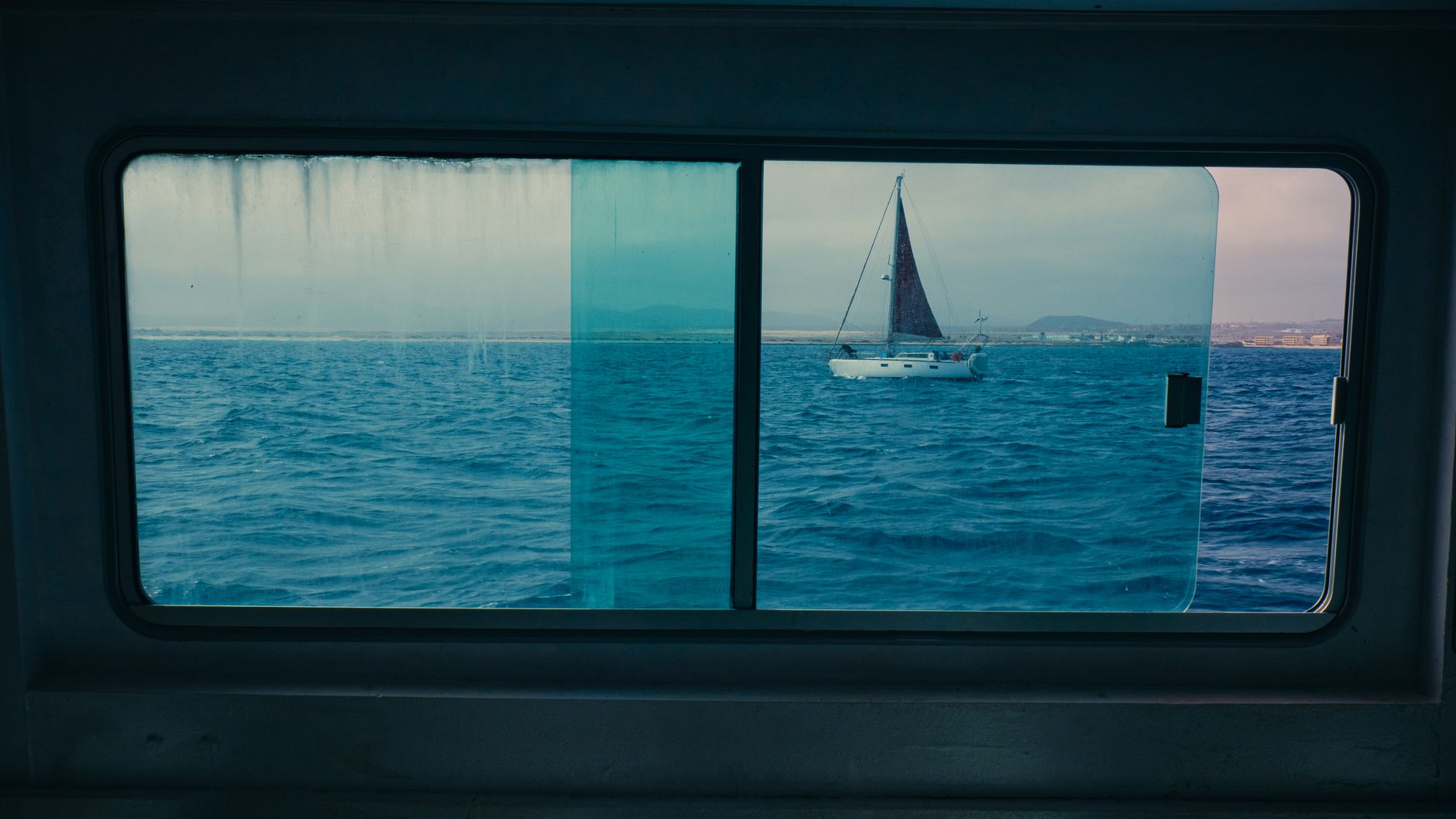
Kitti Rivers Real Estate Photography sequences the hero shot based on the property's strongest feature. When a view exists, it leads. That might mean shooting from inside the main living room looking out through the glass, or positioning the camera on the deck so the railing frames the outlook. The goal is to put the buyer inside the experience, not observing a photo of a window.
Shoot the view at the right time of day
A view changes dramatically across the day, and shooting at the wrong time can reduce something spectacular to something flat. Water views go glassy and over-exposed in midday light. City skylines are most dramatic at twilight, when the buildings are lit and the sky is a deep blue gradient. Bushland outlooks often look best in the morning, when the low angle of the sun creates depth and shadow across the canopy.
Scheduling the shoot around the view, rather than around general convenience, is a small decision that pays back. A 6:30am shoot for a north-east bushland outlook will produce images that a 10am shoot simply can't replicate. Twilight photography for city or coastal properties works similarly: the ambient light and artificial light balance in a way that lifts the image well beyond what a daylight shot delivers. For more on this timing strategy, day vs twilight real estate photography covers when each approach makes the most sense for your listing.
Address the interior-exterior relationship honestly
A common mistake is photographing the view in isolation without connecting it to the interior. Buyers don't just want a view; they want a view they can live with. Show them the lounge chairs on the deck with the horizon behind them. Show them the kitchen bench with the window framing the outlook. Show them the master bedroom with the glass doors open to the view. These contextual shots answer the question buyers are silently asking: what is it like to actually be here?
This also means being careful with interior styling. A cluttered dining table or a dark, uninviting lounge can undermine the view shot rather than complement it. Before the photographer arrives, styling the living room deliberately to open sightlines toward the view glass pays off in the final images. Remove anything that blocks the connection between interior and outlook.
Write listing copy that earns the view
The description of a view deserves its own sentence. Not a bullet point. Not a parenthetical mention buried after the list of bedrooms. A real sentence, with specific language that puts the reader in the room.
Compare these two versions:
- "Ocean views from the main living area."
- "From the main living area, uninterrupted ocean views stretch north to the headland, visible from the kitchen bench, the dining table, and the master suite."
The second version does three things the first doesn't: it gives spatial context, it names the direction (which matters for sun movement), and it tells the buyer from exactly where the view is enjoyed. Specificity sells. For the broader principles behind writing listing copy that works this hard, property listing descriptions that attract serious buyers is worth reading in full.
Use drone imagery to establish scale and position
Aerial photography solves a problem that ground-level images can't: it shows why a view exists. A drone shot that reveals the property's elevated position on a ridge, its coastal setback, or its separation from surrounding density gives buyers the spatial understanding they need to trust that the view is real and permanent. It also adds a visual layer to the listing that competitors without a view can't match.
Kitti Rivers Real Estate Photography uses drone imagery on view properties as a standard part of the package, not an afterthought. The aerial establishes context. The interior shots deliver the emotional payoff. Together they make a view feel like a certainty rather than a marketing claim.
Be transparent about what the view is and isn't
Overselling a view is a short-term strategy with a long-term cost. If the ocean is visible as a thin blue strip between two buildings, say so. If the city outlook includes an industrial area to the south, buyers will find that at inspection. Listing copy and images that accurately represent the view build trust and attract buyers who genuinely value what's there, rather than drawing in a crowd that feels misled on the day.
Focus on what is genuinely compelling. A partial harbour glimpse from the top floor is still a feature worth marketing. Frame it as what it is, not what it isn't, and your buyer pool will be more qualified and less disappointed.
Think about what protects the view long-term
Buyers who are paying a premium for a view are also thinking about whether they'll still have it in five years. If the outlook is protected by a park, a reserve, a body of water, or a covenant, say so in the listing and in the marketing copy. If there are planning restrictions on neighbouring blocks, your agent should know and disclose them. This kind of permanence assurance can justify a higher price point and close hesitant buyers who might otherwise hold back.
A view that's protected is a different asset to one that's contingent on a vacant lot staying vacant. Make the distinction visible in your marketing and let buyers make an informed decision.