
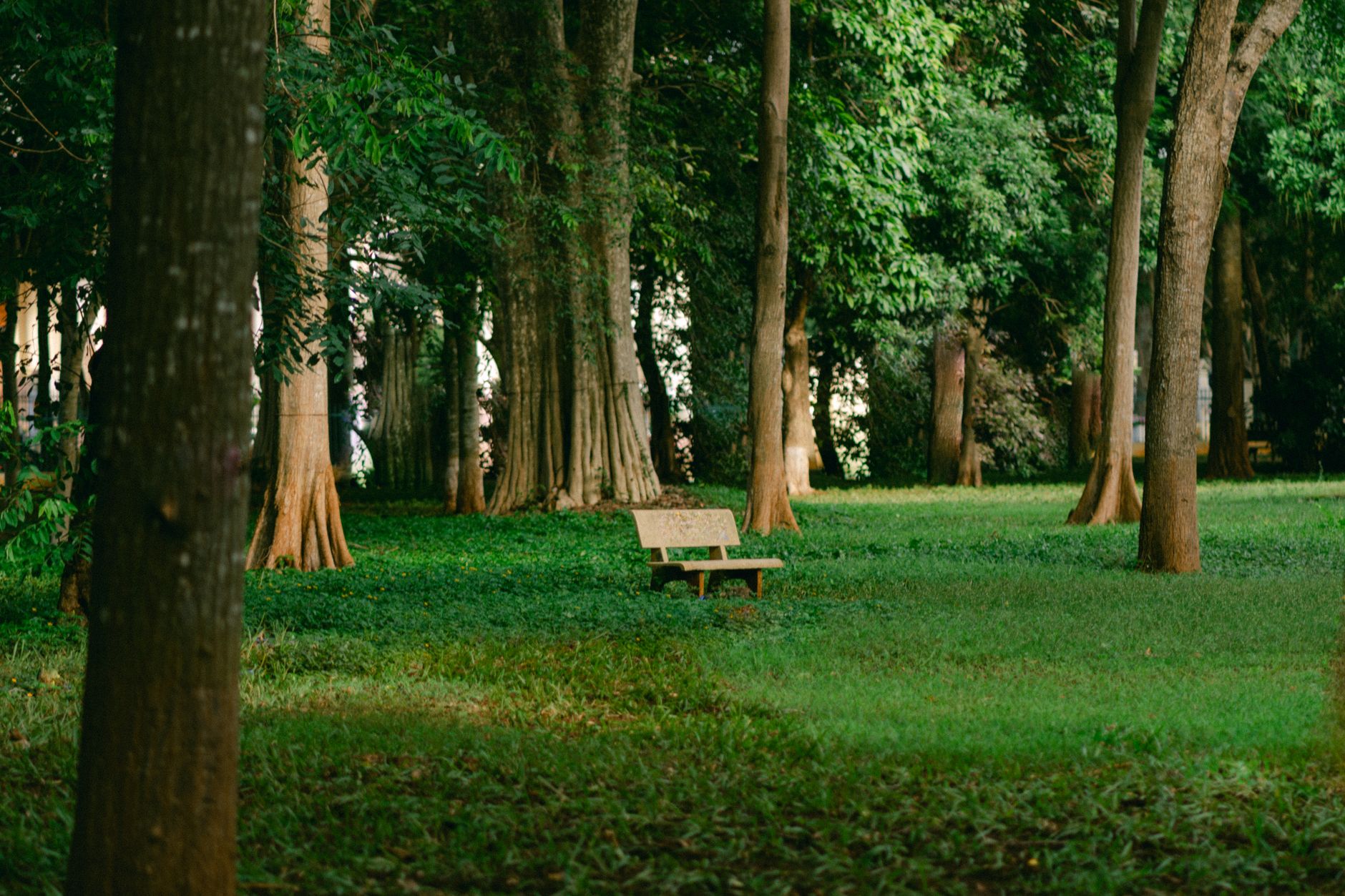
Selling a home with an adjoining or shared green space puts an unusual asset in your hands. Whether it's a council reserve, a body corporate garden, a shared laneway park, or a strata common area, buyers will notice it and they'll have questions. The ones who love it will love it deeply. The ones who are wary can be won over if you've done the work to explain what the space actually is, who maintains it, and what life next to it looks like in practice.
Know exactly what you're dealing with before you list
The first step is clarity. "Green space" covers a wide range of legal arrangements, and buyers will ask about every one of them. Is the land a public reserve managed by your local council? Is it common property under a strata or community title scheme? Is it a shared garden under an easement? Each of these carries different rules around access, maintenance responsibility, and the chance that the space could ever be developed or fenced off.
Pull the title documents and confirm the boundaries. If the green space is on a separate lot, identify who owns it and how that ownership is governed. If it's council land, check the relevant planning scheme to understand whether the reserve could be rezoned. Buyers will ask, and an agent who answers confidently rather than shrugging closes more sales.
Frame it as a lifestyle feature, not a boundary quirk
Most listing descriptions treat a shared green space as a footnote: "backs onto reserve" buried in the third paragraph. That's a missed opportunity. The green space is a lifestyle benefit that deserves prominent placement and specific language.
Don't write "backs onto reserve." Write what that actually means: morning walks without leaving the precinct, dog exercise space that isn't the living room, kids playing on grass you don't have to mow on weekends. Specificity converts browsers into buyers. Vague descriptions convert nobody.
This is also where photography does the heavy lifting. A single photo of a fence line tells buyers almost nothing. A photo shot from inside the property looking out across an open, green expanse tells a story about what daily life feels like. If the view from the kitchen window includes the green space, that window gets a hero shot. If the backyard gate opens directly onto the reserve, that gate gets photographed open, not shut.
Address the maintenance question directly
Shared green spaces make some buyers nervous because they imagine arguments over who mows the lawn or who pays to fix the irrigation system. Address this head-on in the listing and in agent conversations.
If the space is council-maintained, say so clearly and name the council. If it's a strata common area, include a line in the listing about the body corporate's maintenance schedule. If there's a residents' committee that governs the shared garden, note how long it's been in place and whether levies are included in existing strata fees.
Buyers who understand the maintenance arrangement stop worrying about it. Buyers left to imagine worst-case scenarios start looking at other listings.
Use photography to show the space in its best season
A shared green space in mid-spring, freshly mown and in full leaf, looks completely different from the same space in late July. If your shoot falls in winter, consider whether supplementary photography in better conditions is worth the investment. For high-value properties, it often is.
Drone photography is particularly effective for shared green spaces. An aerial shot that shows the full extent of the reserve, the home's position relative to it, and the surrounding streetscape gives buyers a spatial understanding no ground-level image can match. Kitti Rivers Real Estate Photography uses drone photography for property sales precisely because it captures context that listing photos alone can't convey.
If the green space is enclosed or partially visible from multiple rooms, photograph each of those sightlines. A room-by-room approach shows buyers how the space integrates into daily life rather than sitting outside it.
Anticipate the development concern
The single biggest fear buyers have about an adjoining green space is that it won't always be there. Address this proactively. If the land is zoned open space or conservation and has been for decades, say so. If it's a drainage reserve that cannot legally be built on, include that detail. If it's part of a heritage-protected precinct, note it.
For properties where the adjacent land does carry some development risk, disclosure is still the right move. Concealing a material fact rarely ends well, and buyers who discover it during due diligence lose confidence fast. A vendor who discloses clearly and then explains what they know about the land's status builds far more trust than one who says nothing and hopes for the best. The guide to selling a home with a heritage overlay or listing covers a related version of this challenge, where the history of a site becomes a feature rather than a liability.
Target the right buyer segments
Not every buyer will value an adjoining green space equally. Families with young children, dog owners, and downsizers who want low-maintenance outdoor access value it most. Your marketing should speak directly to them.
If the property is a smaller home or sits on a compact block, the green space becomes an extension of the outdoor area rather than a trade-off. Frame it that way. A buyer choosing between a home with a medium-sized backyard and a smaller home with an adjoining park is often making a lifestyle calculation, not a size calculation. Help them see it that way. The article on selling a home with a small or narrow block goes into detail on exactly this kind of repositioning.
Prepare for the open home conversation
Buyers attending an inspection will walk the boundary. They'll look at the green space from every window it's visible from, and they'll ask questions the listing didn't answer. Prepare your agent with a one-page fact sheet covering the land's title, maintenance responsibility, local council zoning, and any known plans for the space. Four answers in hand is four fewer reasons to hesitate.
If the inspection day is a good one, consider unlocking the rear gate so buyers can step into the green space directly. A buyer who stands in the reserve and looks back at the property is already imagining living there. That is exactly where you want them.