
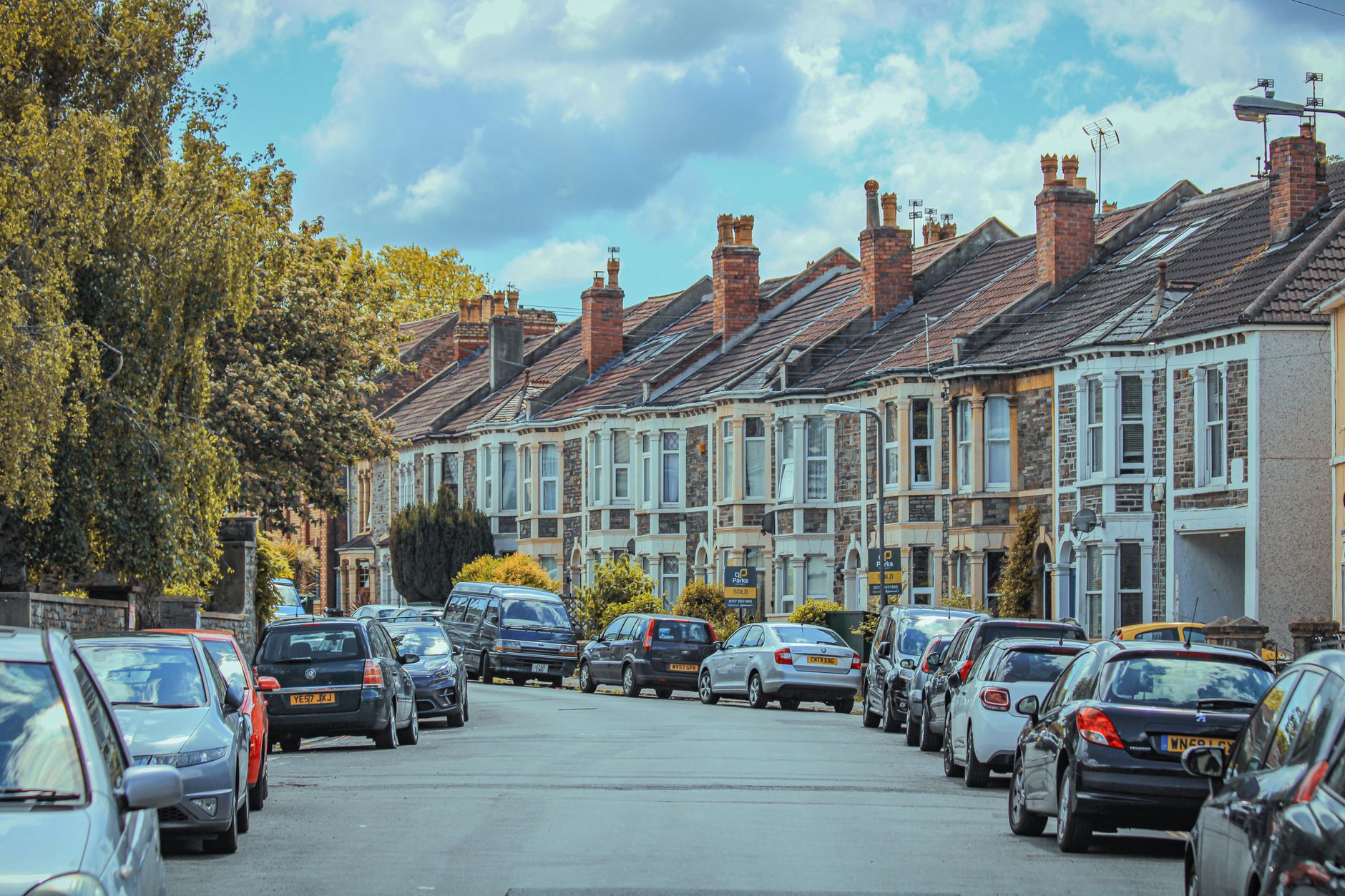
Selling a home on a small or narrow block is one of those situations where average marketing actively hurts you. A generic listing exposes the land size without offering any context, and buyers scroll past. The properties that sell well in this category share something specific: the agent and seller worked out who actually wants the block, then built every part of the marketing around that buyer.
Why compact blocks attract more buyers than sellers realise
There's a real market for small and narrow lots in Australia, and it's growing. Downsizers coming out of larger family homes want low-maintenance outdoor space, not a lawn to mow every weekend. Inner-city professionals want location over land. Investors want yield, not garden upkeep. Each of these groups will look past a 200m² land area the moment the listing speaks to what they actually care about.
The mistake most sellers make is treating land size as something to hide. Don't. State it clearly, then pivot immediately to the things that make the property work: the layout, the location, the low-maintenance appeal. Buyers who self-select out because they need a bigger block were never going to buy anyway. The buyers you want need to see themselves living there.
Positioning the property before a word is written
Before the photography brief, the listing copy, or the price guide, spend ten minutes writing down who is most likely to buy this home. A terrace on a 120m² block in a walkable suburb appeals to a completely different buyer than a new townhouse on a 180m² corner lot in a growth corridor. The buyer shapes everything else.
Once you know the target, check three things are consistent across the entire campaign:
- The headline focuses on a benefit the target buyer values (lock-up-and-leave, walking distance to the CBD, low-maintenance courtyard).
- The hero photo reinforces that benefit, not the land footprint.
- The price guide reflects comparable sales on similar land sizes, not inflated hopes based on nearby properties with double the lot.
Photography on a tight footprint
The photography brief for a small or narrow block needs to be explicit. Wide-angle lenses are standard in real estate photography, but they can exaggerate proportions in ways that look distorted in print and set unrealistic expectations before an inspection. The goal is images that are honest about scale but genuinely flattering about layout.
Kitti Rivers Real Estate Photography approaches narrow properties by shooting from corners and doorways to maximise the sense of depth, keeping furniture staging minimal to preserve visual breathing room, and using natural light to push the eye toward outdoor spaces. A courtyard garden, even a small one, reads as a feature when it's lit and framed well. Knowing small space design tips that make rooms feel bigger before the shoot day makes a measurable difference to the final images.
Outdoor areas deserve particular attention. A narrow courtyard photographed flat-on looks like a corridor. The same space photographed from a low angle, with furniture set for entertaining and planting in the foreground, looks like a usable private garden. Photographing an alfresco dining area for a real estate listing follows the same logic: the space has to look lived-in and desirable, not measured and clinical.
What to fix and what to leave alone
Sellers on small blocks sometimes over-invest in improvements that don't return on a compact footprint. A pool extension, for example, rarely adds value when the land itself limits the pool's usability. Focus instead on the things buyers will assess at inspection.
Kerb appeal matters more on a narrow lot because the street frontage is the first and sometimes only impression. A freshly painted facade, a clean path, and tidy planting do more for a narrow property than almost any interior renovation. Inside, decluttering is non-negotiable. Every unnecessary piece of furniture reduces the perceived floor area. The goal is to show the full extent of the floorplan, not fill it.
One practical fix that consistently underperforms: removing a second bedroom to create a larger living area before sale. Buyers count bedrooms. The configuration that existed before the renovation is almost always worth more on paper, even if it felt cramped to the owner.
Writing copy that converts
The listing description for a small block has one job: get buyers to the inspection. It does that by addressing the objection before the buyer raises it, then moving on quickly to the benefits.
A single sentence is enough: "The compact footprint means next to no maintenance, freeing up your weekends entirely." That's not spin, it's honest positioning. It identifies a real benefit of the land size and frames it as a feature for the right buyer. After that sentence, the copy should focus on the things that stand up at inspection: the quality of the build, the layout efficiency, the location, the storage solutions.
Avoid vague filler phrases like "cosy", "cute" or "bijou". Buyers read those as code for "small and cramped". Specific is always better. "Three bedrooms, two bathrooms, and a single lock-up garage on a 185m² block" tells a buyer what they need to decide whether to inspect. "Charming inner-city retreat" tells them nothing.
Pricing a small block correctly
Overpricing a small or narrow block is the fastest way to stall the campaign. The comparable sales data for compact lots is usually thin, which tempts some agents to draw comparisons with larger nearby properties and adjust downward. That method rarely holds up. Buyers doing their own research will find the same data and question the guide.
A better approach is to price against the closest genuine comparables, even if they're slightly further away, and to present the guide confidently rather than leaving excessive room for negotiation. A tight, well-priced listing on a compact block generates urgency. An overpriced one just sits, and a price reduction on a small block is harder to recover from than on a larger property because it reinforces the size concern in buyers' minds.
If you're working through a difficult pricing decision, it's worth reading more on how to price your home to sell faster. The underlying principles apply directly to compact properties.
The inspection experience
Open homes on small or narrow properties need tighter management than larger homes. Too many people in a compact space at once feels crowded and confirms the buyer's concern about size. Consider private inspections or staggered open home slots rather than a free-flow open. Fewer people in the property at once means each buyer gets to experience the layout properly, rather than shuffling through behind a group.
Temperature matters too. A small home with poor airflow on a warm day feels far smaller than it is. Open every window and run the air conditioning or ceiling fans before the first buyer arrives. The space should feel light, calm, and uncrowded.
Compact doesn't mean compromised. Sold well, a small or narrow block reaches buyers who see it exactly as it is and want it anyway. That's a far stronger position than a larger property sitting on the market waiting for a buyer who's willing to settle.