
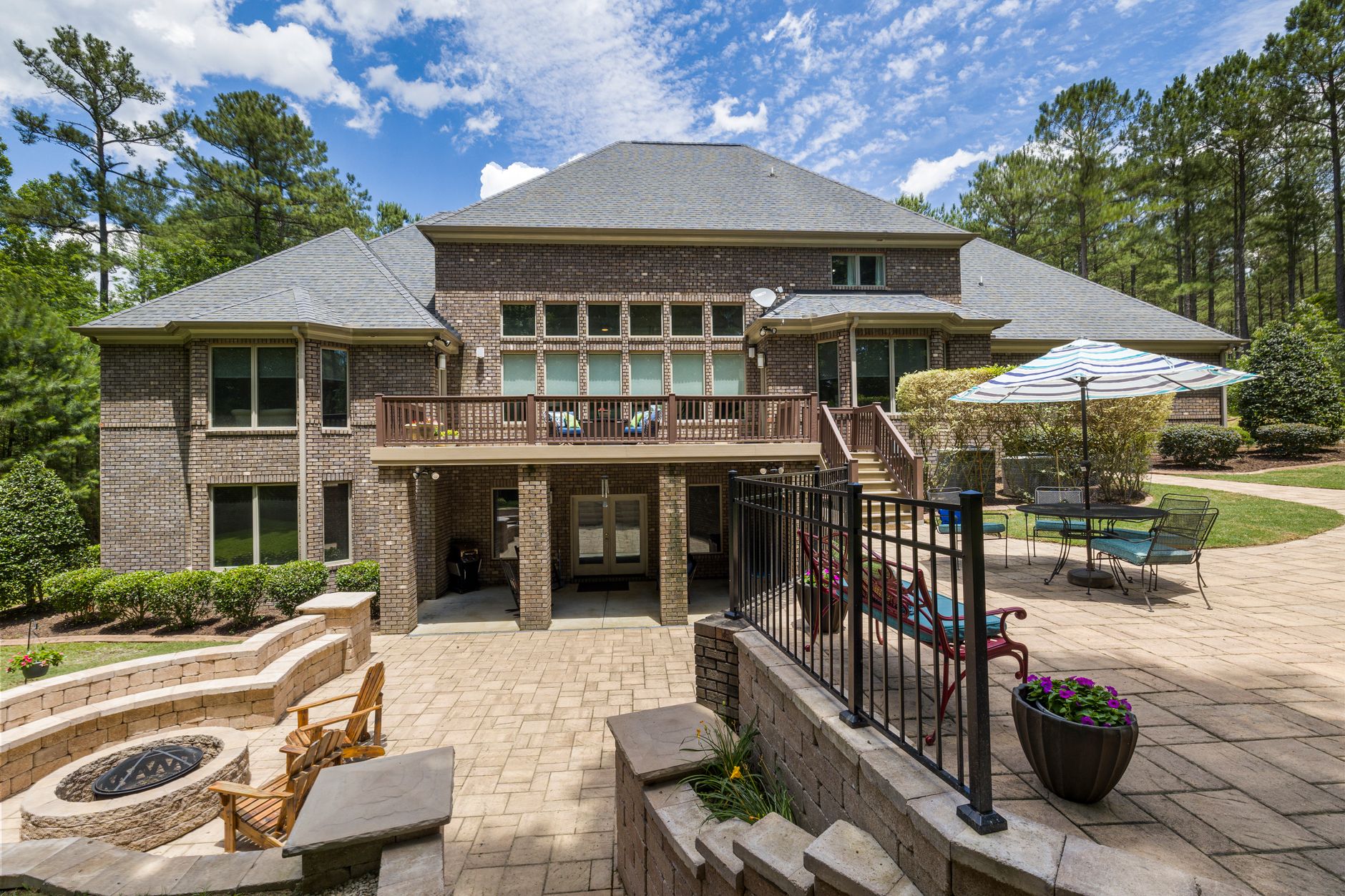
A sloped or unusable backyard is one of those features sellers often quietly dread. They assume buyers will see the slope and discount the property, or write it off entirely. In reality, the issue isn't the slope. It's the absence of a clear visual story about what the space is and what it could become. Fix the story, and you fix the problem.
Why sloped backyards get mispriced
Most sellers with a sloped block accept a lower price before negotiations even begin. They pre-discount in their own heads, and then their agent does the same. The result is a listing that signals to buyers: "there's something wrong here." Buyers pick up on that energy, and they negotiate accordingly.
A slope isn't inherently a defect. It can mean privacy, elevated outlooks, natural drainage, or genuine development potential depending on the council zoning. The mistake is letting the slope dominate the narrative rather than controlling what story gets told about it.
If you're thinking about your broader pricing strategy alongside this, it's worth reading about how to price your home to sell faster before you set the figure with your agent.
Identify your buyer before you style or photograph
Not all sloped backyards appeal to the same person. Before you spend money on photography or presentation, work out which of these 3 buyer types is most likely to want your property.
- The landscaper. Buyers who see raw potential and want to terrace, plant, and build. They need to see space, not a finished product.
- The privacy seeker. Buyers who love that the slope means neighbours can't see in. Emphasise elevation and leafy screening.
- The developer. Buyers interested in the land size and gradient for knockdown or subdivision. They need measurements, council zoning details, and clear aerial imagery.
Once you know who you're talking to, every decision, from the listing copy to the photo angles, gets easier.
Presentation: what to do before the photographer arrives
You don't need to landscape a slope before selling. You do need to make it look intentional rather than neglected. Clear any dead vegetation, overgrown runners, or erosion gullies. Mow any flat sections. Edge the garden beds. If there are existing retaining walls, clean them with a pressure washer and check that no timber sections are visibly rotting.
A few potted plants placed on different levels of the slope draw the eye upward and help buyers see the space as three-dimensional rather than just steep. String lights along a retaining wall or fence line photograph well at twilight and add warmth to an otherwise austere feature.
If the slope backs onto trees or bushland, don't fight it. That's a selling point for the privacy-seeking buyer. Make sure the boundary is clean and the view from the back door is tidy.
Photography: how to make a slope look like an asset
Ground-level photography from the back door almost always makes a slope look worse than it is. The camera angle exaggerates the gradient, flattens any depth, and often captures only the steepest part of the yard. A professional photographer will know to work around this, but it helps to brief them specifically.
The two strongest angles for a sloped backyard are from above (drone) and from below looking up. Drone imagery compresses the slope into a pattern of levels that reads as generous and structured rather than awkward. Drone photography for property sales is particularly effective here because it captures the relationship between the house, the slope, and any surrounding greenery in a single frame that buyers can orient themselves within.
From below looking up, the slope becomes a backdrop. Place the camera near the bottom of the yard or at the lowest retaining wall and shoot toward the house. The home appears elevated, the yard frames it, and the gradient reads as character rather than complication. Twilight is especially strong for this angle: warm interior lights glowing above a layered garden is a compelling image.
What to include in the listing description
Don't avoid mentioning the slope. Buyers will see it in the photos, and if they don't, they'll feel misled at inspection. Acknowledge it, then reframe it.
Phrases like "elevated terraced garden with northern aspect" or "tiered backyard with established trees and outlook" tell the truth while shaping how the buyer interprets what they're seeing. Pair that with a specific mention of potential: "scope to add a multi-level deck" or "council-approved for retaining wall extension" if that's accurate.
Keep the description specific. Vague words like "charming" or "unique" make buyers nervous. Concrete details build confidence.
Documents and disclosures worth preparing
Buyers of sloped properties often worry about soil stability, drainage, and the cost of retaining walls. Get ahead of those concerns with a geotechnical report or a landscaping quote for a basic terracing design. Neither is expensive relative to what they save you in negotiations.
If council permits are in place for any existing retaining structures, have copies ready at the first inspection. A well-presented pest and building report that addresses the structural soundness of any existing walls also removes a common objection before it's raised. For more on how to use inspection documentation strategically, see how to sell a home with a pest or building inspection report.
Common mistakes sellers make
The biggest one: doing nothing and hoping buyers don't notice. They notice. The second biggest: spending money on the wrong thing. A full landscape job on a sloped block before a sale rarely delivers a dollar-for-dollar return. Targeted presentation, professional photography, and smart documentation achieve far more for less.
Don't let the agent lead with the slope in verbal descriptions either. Agents who open with "the backyard is a bit sloped but..." are already apologising. The slope should be mentioned after three other features, not before.
A sloped backyard photographed and presented with intention sells. The buyers who want it will find it. Your job is to make sure they recognise it when they do.