
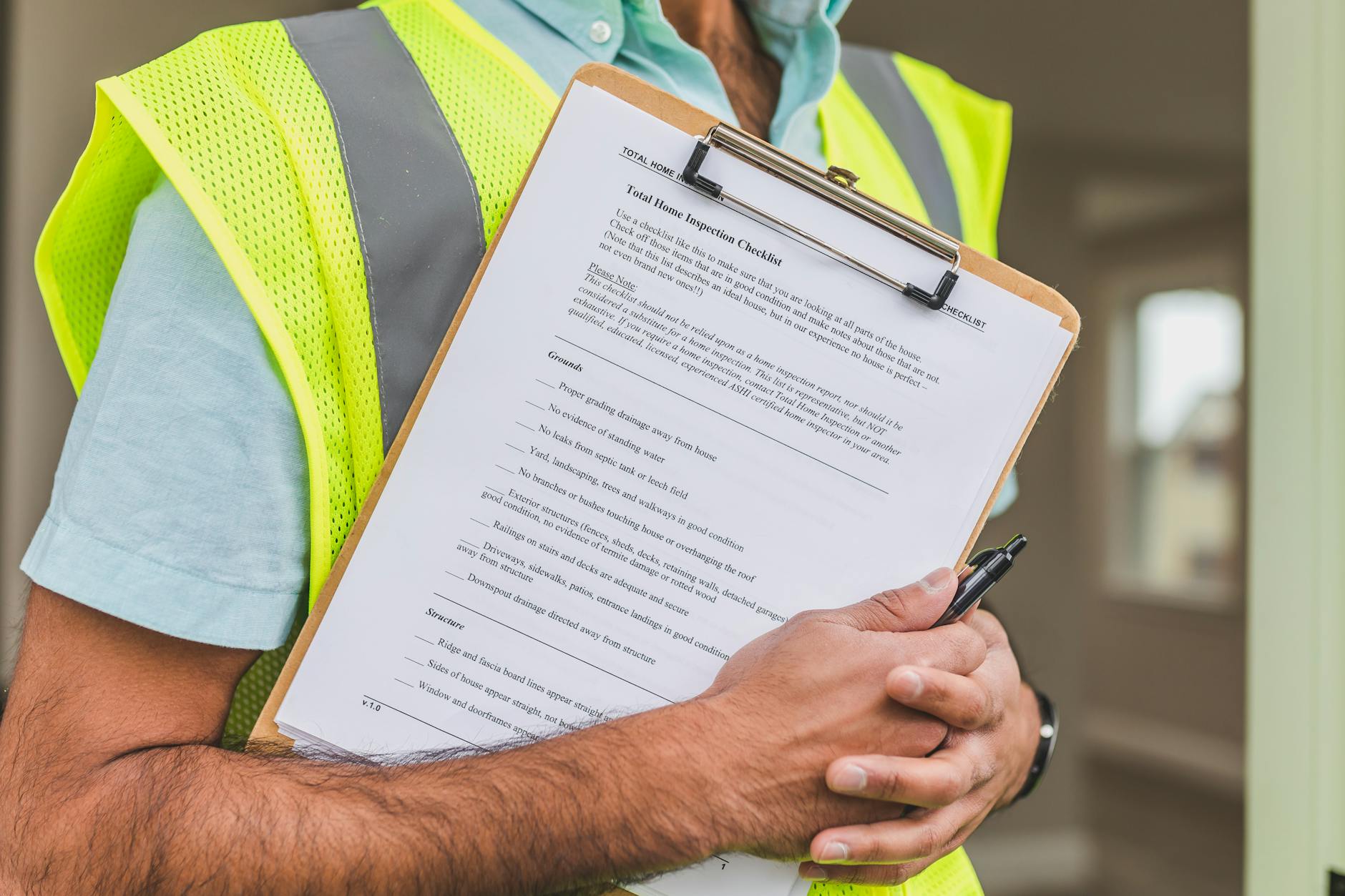
A building or pest inspection report is one of those documents that makes most sellers nervous. It shouldn't. A report with findings isn't a death sentence for your sale; it's information. Buyers who receive a clean, honest disclosure feel more confident, not less, and that confidence is what converts interest into an offer.
The sellers who struggle are the ones who treat the report as something to hide. The ones who do well treat it as a negotiation asset from the start.
Should you commission your own report before listing?
Commissioning a pre-listing building and pest inspection gives you a significant advantage. You control what gets found rather than discovering it mid-negotiation when leverage has already shifted to the buyer. A pre-listing report typically costs between $400 and $700 for a standard residential property in Australia, depending on size and location.
With the report in hand before the first open home, you can do three things buyers can't: get competitive quotes to fix issues, decide what's worth rectifying and what isn't, and price the property with accurate knowledge of its condition. A buyer's inspector working at the last minute is incentivised to flag everything. Your inspector, working without pressure, gives you a clearer picture.
Make the report available to every serious buyer. Transparency at this stage removes the uncertainty that causes buyers to overcorrect in their offers.
How to read a report without panicking
Building inspection reports use a grading system. In most Australian states, findings are classified as major defects, minor defects, or maintenance items. A major defect sounds alarming, but it simply means the item poses a risk to the occupant or the structure, not that it's catastrophic or expensive. Common major defects include things like damaged roof flashings, cracked lintels, or failing subfloor ventilation. Most are fixable for a few hundred to a few thousand dollars.
Pest reports operate similarly. Active termite activity is serious. Old, inactive termite damage with no current activity is a disclosure item, not a deal-breaker, provided it's been treated and the structure assessed by a builder.
Get a builder or tradesperson to quote on any major defects before you set your price. That number, not the language in the report, is what matters for your negotiation.
What to fix and what to leave
Not every finding warrants a repair. Focus on three categories:
- Safety items. Fix these without question. Faulty electrical fittings, unsafe balustrades, and broken steps cost relatively little to rectify and carry real liability risk if left unaddressed.
- Cosmetic issues that photograph badly. Cracked render, damaged guttering, and rotted timber fascias are inexpensive to repair and have an outsized effect on first impressions. Buyers who see them in photos assume the rest of the house is similarly neglected.
- Structural or specialist items. Major structural repairs often cost more than they add to the sale price. Price the property to reflect the condition and let the buyer manage the work. Buyers who want a project will price it in; buyers who don't will self-select out.
The goal isn't to make the property perfect. It's to remove the findings that make buyers feel uncertain or unsafe, and present everything else honestly.
How a report affects your pricing strategy
A pre-listing report gives you the data to price with confidence rather than guessing how hard a buyer will negotiate. If you know the roof needs $6,000 of work, you can factor that into your asking price rather than accepting a $20,000 discount at the eleventh hour when the buyer's inspector finds it first.
Pricing with a known defect already factored in is far stronger than pricing optimistically and taking a late hit. Buyers who feel they've negotiated a fair reduction based on real numbers are more likely to proceed. Buyers who feel the seller was hiding something pull out.
Understanding how to price your home to sell faster is directly connected to how honestly you've assessed the property's condition before going to market. An inflated asking price that gets chopped down after an inspection is a worse outcome than a realistic price that attracts competitive interest from the start.
Presentation and photography still matter
A pest or building report is a document. It doesn't change how your property looks to a buyer scrolling through listings at 9pm. Great photography is still what gets buyers through the door, and the quality of that photography determines how many buyers you're working with when it comes to negotiating around the report's findings.
More interested buyers means more competition, and more competition means individual buyers have less leverage to use the report as a hammer. If only one buyer has made it to the inspection stage, the report findings carry enormous weight. If six buyers attended your open home and three are serious, the dynamics shift completely.
Before the photo shoot, focus on the areas that show well. Fix the things that photograph badly and stage the spaces buyers respond to emotionally. A well-presented home with a disclosed report attracts far more buyers than an underprepared home with a clean one. Knowing how to increase property value before selling doesn't always mean expensive renovations; it often means targeted preparation that changes how buyers perceive the property on first look.
Disclosure obligations in Australia
Australian property law varies by state, but the general principle is that sellers must disclose known material defects. If you've commissioned a pre-listing report and it identifies a structural issue, you've created a record of knowledge. Speak to your agent and solicitor about exactly what needs to be disclosed in your state before going to market.
In New South Wales, the vendor disclosure regime under the Conveyancing Act 1919 requires certain documents to be included in the contract for sale. In Victoria, Queensland, and Western Australia, disclosure obligations differ in form but share the same underlying principle: known defects that would affect a buyer's decision must be disclosed. Your solicitor or conveyancer will tell you exactly what's required.
Attempting to conceal findings after commissioning a pre-listing report exposes you to significant legal risk, including claims for misrepresentation after settlement. Disclosure protects you as much as it informs the buyer.
How to talk about the report with buyers
Let your agent lead these conversations, but make sure they're briefed properly. The framing matters. "We've had the property independently inspected and the report is available for all buyers" reads very differently from "the report showed some issues." The first signals confidence. The second signals anxiety.
For any significant findings, have a quote or a builder's assessment ready to accompany the report. A finding without a cost attached is unsettling. A finding with a $2,800 quote attached is a line item. Buyers can work with numbers; they can't work with uncertainty.
Your agent should position the pre-listing report as a mark of transparency, because it is. Sellers who commission their own reports before going to market are signalling that they have nothing to hide, and buyers respond to that.
A pest or building report, handled well, shortens the time between offer and unconditional exchange. It removes the inspection contingency as a source of late-stage renegotiation and gives buyers the confidence to act. That's not a liability. That's a tool.