
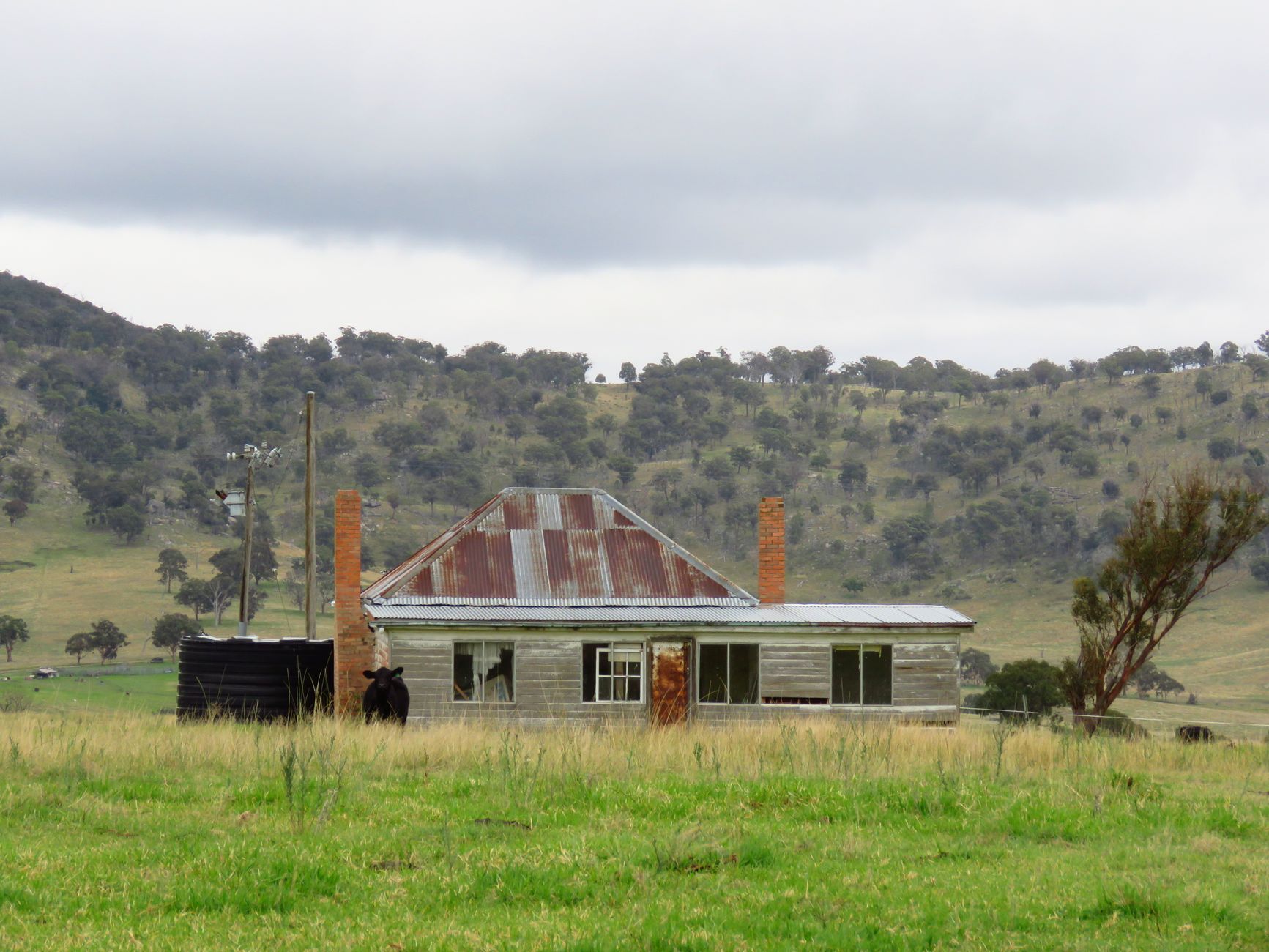
Selling a home that needs work puts most owners on the back foot before a listing even goes live. The instinct is to apologise for the property: price low, photograph minimally, and hope the right buyer comes along. That instinct is usually expensive. A fixer-upper sold with intention can attract competitive offers. One sold defensively tends to attract low-ball investors.
Understand who actually buys homes that need work
Not every buyer wants a turnkey property. Owner-occupiers on a tighter budget often prefer to buy at a lower price point and renovate to their own taste. Investors calculate yield, not aesthetics. Builders and developers look for land value or structural bones. These three groups have very different motivations, and the marketing approach that converts one of them won't necessarily convert the others.
Figure out which group your property suits best before you write a word of copy or book a photographer. A rundown house on a large block in a growth suburb appeals to developers. A dated but solid family home in a good school zone appeals to owner-occupiers willing to renovate gradually. Know your buyer, then pitch directly to them.
Price it right, not just low
Underpricing a property that needs work is one of the most common mistakes in this category. A price set too low signals distress, which invites aggressive lowball offers from buyers who assume there's more room to move. It also filters out the owner-occupier segment, who may not have extra cash for a major renovation and need confidence that the asking price reflects real value.
A better approach is to price the property against recent comparable sales, then apply a clear and defensible discount for the work required. Get 2 to 3 independent trade quotes for the biggest items: roof replacement, bathroom, kitchen, electrical. Having real numbers at hand during negotiations stops guesswork from dragging the price down further. Buyers who can see a $30,000 kitchen renovation itemised on paper are less likely to mentally inflate it to $80,000.
Your agent plays a critical role here. Choosing the right real estate agent matters more for a challenging property than for a polished one, because the right agent will know which buyers are active in the renovation-ready segment and won't default to a fire-sale strategy just to move the property quickly.
Presentation still matters, even when the property is dated
A common misconception is that homes needing work don't benefit from presentation effort. They do. The goal isn't to disguise the condition. It's to ensure the property's genuine strengths are visible and that nothing avoidable compounds the first impression.
Clean thoroughly. Remove clutter. Mow the lawn. Fix the things that cost almost nothing: a dripping tap, a broken light fitting, a screen door hanging off its track. These micro-repairs don't increase the structural value of the property, but they shift the buyer's emotional read from "abandoned" to "dated but cared for." That distinction affects offers.
Before the photographer arrives, spend time on decluttering the property room by room. A room stripped back to its best features reads as "project with potential" in photographs. A room full of accumulated furniture and personal items reads as "overwhelming."
Use photography to show potential, not just condition
Photography is where many fixer-upper sales go badly wrong. A seller assumes that because the property is dated, professional photography isn't worth it. The reverse is true. Poor photography of a home in good condition costs you some buyers. Poor photography of a home that needs work costs you almost all of them.
A skilled property photographer knows how to frame a dated kitchen so the space reads rather than the cabinetry, how to capture natural light in a way that makes a tired living room feel liveable, and how to shoot exterior shots that foreground the land and position rather than the weatherboard that needs repainting. These are compositional and lighting decisions, not deception. The property looks as good as it genuinely is.
Drone photography is worth considering for properties where the land, position or surrounding area is a selling point. Aerial imagery can show block size, street context and proximity to parks or water in a single frame, which is often exactly what a developer or investor buyer needs to see.
Be transparent in the listing copy
Describing a structurally questionable property as a "renovator's delight" without any further detail annoys buyers and wastes everyone's time at inspection. Buyers who discover significant issues they weren't warned about tend to withdraw offers or request large price reductions. The transaction becomes adversarial.
Transparency is a better strategy. Naming the key issues in the listing copy, alongside the property's genuine strengths, sets honest expectations and attracts buyers who have already self-selected as comfortable with the scope. A heading like "Original 1970s home on a generous 680m² block, ready for renovation or redevelopment" tells the right buyer exactly what they're looking at. It won't appeal to everyone, and it isn't meant to.
Consider what's worth fixing before you list
Not every defect needs to be addressed before the property goes to market, but some are worth fixing because the return is asymmetric. A fresh coat of neutral exterior paint can cost $3,000 to $6,000 and change a property's kerb appeal dramatically. Replacing a cracked driveway, cleaning out gutters, or power-washing a concrete path are similarly low-cost and high-visibility.
The repairs to skip are the major ones that buyers will redo to their own taste anyway. Replacing a kitchen before sale rarely returns dollar-for-dollar; buyers often discount the renovation because it isn't what they'd have chosen. Structural and safety issues are a different matter. Anything that affects habitability or will be flagged in a building report should be disclosed and, where possible, rectified before listing. A building report full of red flags scares buyers even when the issues are minor in practice.
Market to the right channels
A standard portal listing reaches a general buyer pool. A home that needs work often benefits from more targeted marketing. Investor networks, buyer's agents who work with property developers, and social media advertising directed at renovation-focused audiences can put the property in front of buyers who are actively looking for exactly this type of opportunity.
The listing description carries real weight in this segment. Buyers looking for a project do their research before inspections, and a well-written description that clearly communicates block size, zoning, structural condition, and location context converts more of them into walk-throughs. Every detail that saves a serious buyer a phone call is a detail worth including.
Pricing strategy, presentation effort, honest copy, and targeted distribution all work together. A home that needs work isn't automatically a disadvantaged sale. It's a different sale, and treating it that way from the start is what produces a result the property genuinely deserves.