
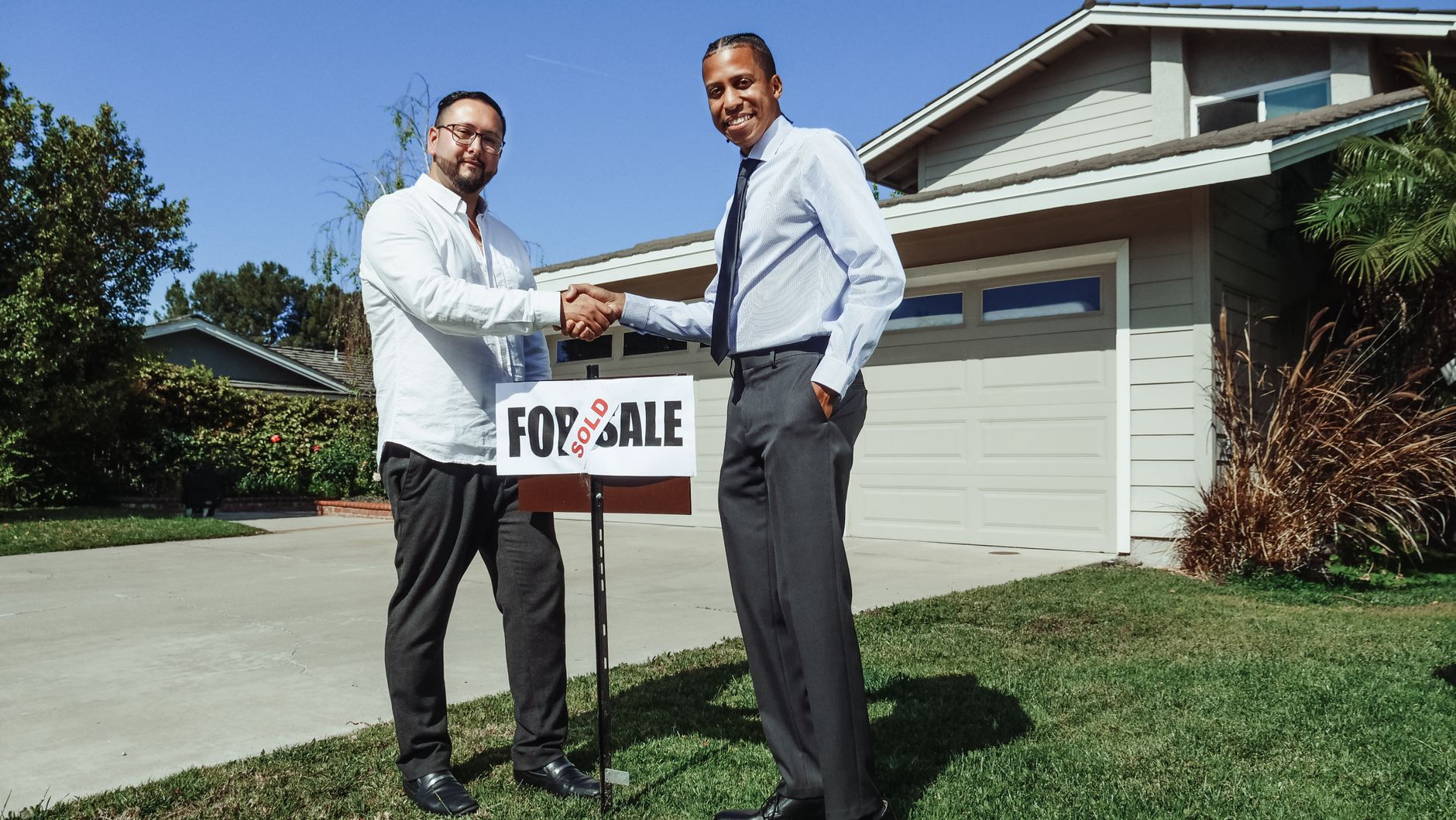
Choosing a real estate agent is one of the most consequential decisions you'll make as a seller. Get it right and you have a skilled negotiator, a well-connected local expert, and a calm head in your corner on auction day. Get it wrong and even a well-presented, well-priced home can stall. Here's what to look for before you sign an agency agreement.
Why the agent matters more than most sellers expect
A lot of sellers assume the market does the heavy lifting. In a rising market, that feels true. But experienced agents consistently outperform average ones, not just at the top end, but across all price brackets. The difference shows up in days on market, in competition at open homes, and in the final figure on the contract.
An agent shapes how your property is presented, how it's priced, and how many qualified buyers actually walk through the door. That includes decisions about marketing spend, how property marketing affects sale price, and whether your listing photographs stop buyers mid-scroll or get skipped entirely. These aren't peripheral concerns. They're the campaign.
The four things worth examining before you commit
It's tempting to go with the agent who gives you the highest price estimate. Resist that. A high appraisal is easy to give; it's an auditioning agent's single biggest lever. What you want is evidence of performance, not promises.
Look at these four things instead:
- Local sales history. Check how many properties the agent has sold in your suburb in the past 12 months, and how long those listings sat before selling. One or two results don't tell you much; a pattern does.
- Vendor reviews. Not testimonials on the agency website. Look for verified third-party reviews on RateMyAgent or similar platforms. Pay attention to what vendors say about communication during the campaign, not just the final price.
- Their marketing approach. Ask specifically how they plan to present and promote your property. Do they recommend professional photography? Do they use drone imagery for appropriate properties? An agent who suggests cutting corners on presentation is telling you something important about how they run campaigns.
- Their negotiation style. Ask them directly: how do they handle a buyer who wants to negotiate after building and pest? How do they manage multiple offers? Specific, confident answers matter more than generic reassurances.
What to ask at the appraisal
Most sellers spend the appraisal listening to the agent. Flip that. Prepare five or six pointed questions and watch how the agent handles them.
Ask: what comparable sales are you basing that estimate on, and can I see them? Ask: what's your average days on market for properties in this price bracket? Ask: if we don't have an offer by week three, what changes? An agent who deflects or speaks only in generalities hasn't actually thought through your campaign. An agent who answers with specifics has.
Also ask about fees. Commission rates in Australia vary by state and by agency, and the gap between 1.5% and 2.5% on a $900,000 home is $9,000. That doesn't mean choose the cheapest agent, but understand what you're paying for and what it includes.
How presentation and marketing fit into your choice
An agent's attitude toward property presentation is a reliable proxy for their overall professionalism. Agents who invest time preparing vendors, who recommend staging and professional photography, and who understand how buyers actually browse listings online tend to run tighter, better-performing campaigns.
If an agent suggests using phone photos or landlord-supplied images to save money, that's a sign. Professional photography isn't a luxury add-on; it's the first point of contact between your home and every buyer who encounters it online. The same logic applies to open home preparation: agents who give you a thorough pre-inspection brief are agents who care about how the property presents at every stage.
One agent or multiple quotes?
Get at least 3 appraisals. Not because you'll necessarily split your decision between them, but because the comparison is educational. You'll hear three different price estimates, three different marketing strategies, and three different takes on your property's strengths and weaknesses. By the third appraisal, you'll have a much clearer sense of who actually knows the market and who's pitching.
Don't sign anything at the appraisal. Take the agency agreement home, read it carefully, and check the notice period required to terminate. Most agreements run for 90 days. Some run longer. Know what you're committing to before you commit.
After you've chosen: keep the relationship honest
Even a great agent needs clear communication from the vendor. If you have a hard deadline, say so early. If you've had feedback from buyers that the agent hasn't mentioned, raise it. If week two arrives with no genuine inquiry, ask what the data says and what changes are being considered.
A good agent won't take that badly. They'll have answers. The ones who go quiet when results are slow are the ones worth worrying about.