
The way buyers discover and evaluate property has changed dramatically over the past few years, and real estate photography trends are driving much of that shift. Scroll through any major listings portal today and you'll notice the gap between properties with high-quality visual marketing and those without. That gap is widening. From immersive virtual tours to AI-assisted editing, the tools available to sellers and their agents are more powerful than ever, and buyers have come to expect them.
Drone and aerial imagery is now the norm, not the exception
Aerial photography has moved well past the "nice to have" category. Buyers want context: how close is the property to the beach, the school, the green space? A standard ground-level shot can't answer that. Drone imagery can, in a single frame. Properties with aerial photography consistently attract stronger engagement on listings portals, particularly for homes on larger blocks, acreage, or with meaningful views. If you're curious about how this kind of content actually influences buyer behaviour, our piece on drone photography for property sales covers the real impact in detail.
Virtual staging is gaining serious ground
One of the most significant real estate photography trends of recent years is the rise of virtual staging. Digitally furnished rooms are now convincing enough that many buyers can't tell the difference, and the cost is a fraction of traditional staging. This matters most for vacant properties, where empty rooms tend to feel cold and hard to read on screen. Virtual staging lets photographers and agents show buyers the potential of a space without the logistics or expense of physical furniture hire. If you're weighing up the options, it's worth reading our breakdown of virtual staging vs traditional home staging to understand where each approach works best.
Twilight and dusk shoots are becoming a standard listing tool
Twilight photography has graduated from a premium add-on to a widely used technique across mid-market and prestige properties alike. The warm glow of interior lighting against a deep blue sky creates an emotional pull that daytime shots often can't match. It signals lifestyle, warmth, and desirability. Many agents now use twilight images as the hero shot on listings, with daylight photography supporting the interior gallery. The decision between the two depends on the property type and the buyer demographic you're targeting.
Wide-angle and perspective-corrected interiors
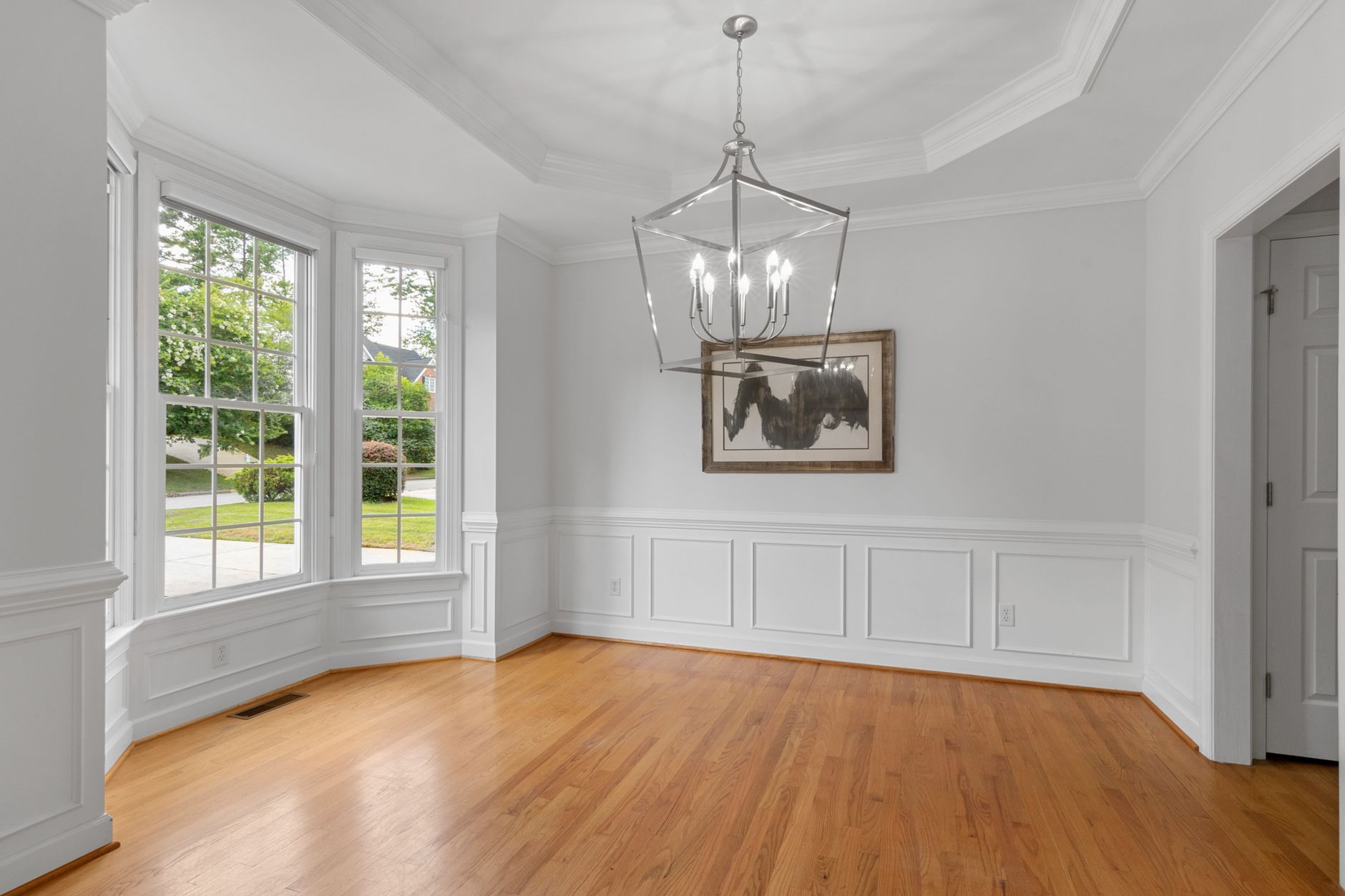
Buyers browsing listings on a phone or tablet make fast judgements. Rooms that look cramped in photos get scrolled past, even when the space is genuinely generous in person. This has pushed professional interior photography further toward wide-angle lenses combined with careful perspective correction in post-processing. The goal is accuracy with presence: a room should look as spacious as it genuinely is, without the fish-eye distortion that used to make some real estate photography look amateurish. Getting this right requires both the right equipment and a skilled eye during the shoot itself.
Video walkthroughs and reels are growing in reach
Short-form property video has become a legitimate discovery tool. Instagram Reels and short property walkthroughs on social media now drive traffic back to listings in ways that static images alone don't. Agents are increasingly requesting video content alongside still photography, and some are repurposing cinematic walkthrough footage for both portals and social channels. This doesn't replace photography; it extends it. The most effective campaigns use both formats together, with stills anchoring the listing and video building emotional connection.
AI-assisted editing is raising the baseline for image quality
Post-processing has always been part of professional real estate photography, but AI-assisted tools have raised the baseline for what "standard" looks like. Sky replacements, grass enhancement, window pull techniques, and noise reduction that once took significant editing time can now be executed in a fraction of that. The result is that even the floor of acceptable image quality has risen. For sellers, this means that poorly lit, unedited phone photos look worse by comparison than they did a few years ago. Professional photography is no longer just better; it's visibly in a different category.
Preparation still determines the ceiling
No matter how sophisticated the equipment or editing workflow, the quality of a shoot is still largely determined by how well the property is prepared beforehand. Clutter, personal items, poor natural light management, and unstyled spaces all limit what a photographer can deliver. The fundamentals of good presentation haven't changed, even as the tools around them have evolved. Our guide on how to prepare your home for a real estate photo shoot walks through exactly what to address before the photographer arrives.
What this means for sellers right now
The practical takeaway from these trends is straightforward. Buyers are more visually literate than ever, and their expectations for listing imagery have risen in step with the quality of content they see across every other part of their digital life. A listing with average photography doesn't just underperform; it signals to buyers that the seller may not be serious. Investing in professional real estate photography, drone imagery, and well-considered presentation is no longer a luxury reserved for prestige properties. It's the standard that serious sellers should hold themselves to.