
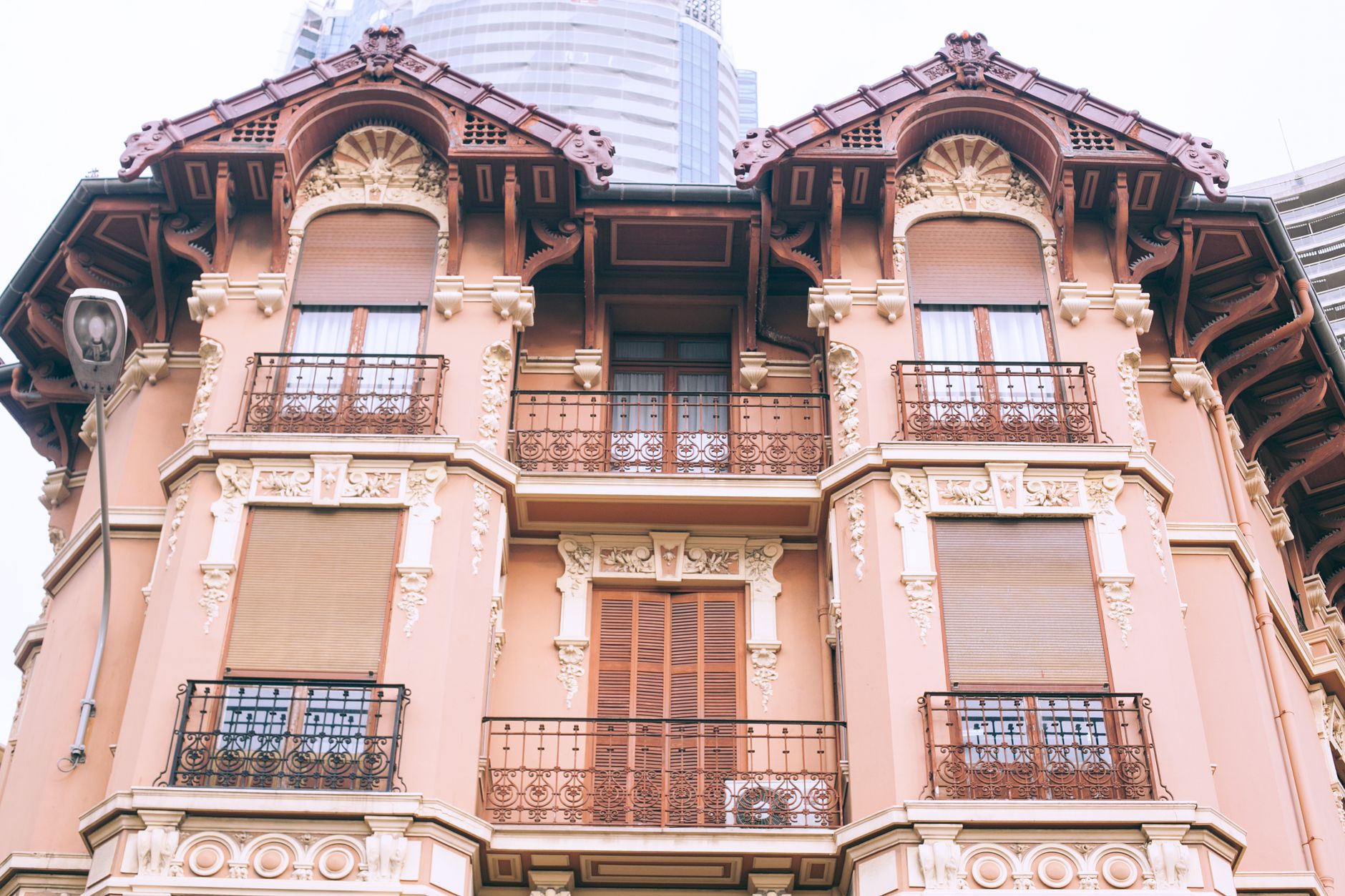
Heritage and character homes present a unique challenge for property photographers. Unlike modern builds with clean lines and neutral palettes, a Federation cottage or an Edwardian terrace is full of intricate details that can either sing or disappear depending on how you approach the shoot. The architectural detail is the selling point. Photograph it badly and you've thrown away the single biggest advantage the property has over new stock.
Start outside: the facade sets the tone
The exterior shot of a character home is almost always the hero image, and it deserves careful thought. Shoot from a low angle to emphasise the roofline and any decorative gable work. A standard standing height tends to flatten facades and compress the depth of a deep veranda. Drop to roughly hip height, keep the camera level, and let the architecture fill the frame from foundation to ridge.
Early morning light works exceptionally well for most heritage facades. The warm, raking light from a low sun picks out texture in rendered walls, brickwork, and timber fretwork in a way that flat midday light simply won't. If the facade faces west, return late in the afternoon. The direction of light relative to the wall surface is more important than time of day. You want shadow to define each detail, not wash it out.
Avoid shooting the exterior in drizzle or overcast conditions if you have any control over scheduling. Older homes often have dark brick or deep timber tones that already absorb light. A grey sky compounds this and makes even a beautifully maintained Victorian terrace look tired. If you're locked into an overcast day, our guide on how to photograph a property on an overcast day covers techniques for managing the light shortfall without introducing a fake-looking sky replacement.
Inside: expose for the features, not just the room
Character homes typically have at least one feature that modern buyers cite as the main attraction: pressed metal ceilings, original hardwood floors, leadlight windows, cast iron fireplaces, decorative cornices. These details can disappear completely in a standard wide-angle room shot if the exposure is set for average brightness. They need their own moment.
Shoot the wide room shot first to establish the space. Then move closer and photograph the feature detail in isolation. A tight shot of a pressed tin ceiling panel, properly lit, can appear in the listing as a standalone image that builds desire in a buyer scrolling through a gallery. Agents often overlook detail shots in favour of maximum room count, but for a heritage property, three detail images can do more marketing work than two extra room shots.
Leadlight windows deserve specific attention. They're both a light source and a subject. Expose for the interior and the leadlight will blow out to white. Expose for the leadlight and the room goes dark. The cleanest solution is to bracket exposures and blend them in post, keeping the vibrant glass colour while retaining room detail. Bracketing vs. single exposure for real estate photography explains exactly when this technique earns its extra editing time, and leadlight is one of the clearest cases where it does.
Managing dark interiors in older homes
Victorian and Edwardian homes were designed before electric light and often before Australian summers were fully understood. Hallways are narrow and long. Rooms have high ceilings but modest window sizes. North-facing rooms in the southern states get afternoon light, not morning sun. The result is interiors that read beautifully to the human eye but struggle on a camera sensor.
Bring a portable LED panel rather than relying on bounce flash alone. Position it at ceiling height, pointed toward the wall behind you, to mimic the quality of natural fill light without the harsh hotspot a direct flash creates. In rooms with dark timber joinery or deep-coloured wallpaper, a second light source aimed at a far wall can lift shadow without flattening the room's inherent warmth.
Don't fight the character of the interior in your colour editing. A slight warmth in a room with Baltic pine floors and Victorian-era tiling is accurate and attractive. Pushing the white balance cool to match a modern aesthetic removes the very quality buyers are paying for. Colour accuracy in these homes means warmth, not clinical neutrality.
Staircases, hallways and architectural transitions
In character homes, the staircase is rarely just a staircase. Turned balustrades, carved newel posts, timber handrails worn smooth by a century of hands: these are features that command a dedicated shot. Position yourself at the base of the staircase and shoot upward with the handrail as a leading line. This angle compresses the tread depth slightly but makes the height feel generous and the craftsmanship visible.
Hallways in Edwardian and Federation homes are worth photographing straight-on from the entrance. A long, well-lit hallway with original dado rail, patterned floor tiles and a stained glass front door creates one of the most evocative shots in any listing. Place a single lamp or allow the natural light from a rear window to pull the eye through the frame. Depth and symmetry are the composition here. Both require a level tripod and patience.
Gardens and outbuildings: part of the story
Many heritage homes sit on larger blocks than their modern counterparts, often with established gardens, original outbuildings, or heritage-listed fencing. Don't limit the shoot to the interior. A mature lemon-scented gum or a century-old rose garden in full bloom adds a layer of emotional appeal that no staged prop ever matches.
Photograph the garden from inside looking out whenever a window or door provides a natural frame. The reverse shot, from the garden back toward the home, often produces a stronger facade image than a direct street-facing angle. Established hedging and garden structure create foreground depth that modern homes on smaller blocks simply don't have.
For homes with a notable land component, drone footage can communicate the scale and established greenery far more effectively than any ground-level shot. A single aerial image showing the roofline, the mature garden canopy and the street context tells buyers instantly that this is a property with genuine presence and space, qualities that a tight exterior shot from the kerb can't convey.
Staging considerations specific to character homes
Modern staging furniture can work beautifully in a heritage home, but the wrong pieces will read as a mismatch. Clean-lined Scandinavian-style furniture suits a well-maintained heritage property better than ultra-contemporary chrome and glass. Buyers looking at a character home are usually imagining a specific lifestyle. The furniture in the photographs should confirm that the lifestyle is possible, not contradict it.
Remove anything that obscures architectural detail. A large television mounted over an original fireplace, for example, draws the eye away from the very feature that justifies a premium price. Move it for the shoot. Similarly, heavy window treatments that block leadlight or obscure original timber windows should come down or be fully opened before the photographer arrives.
The principle is the same as any property shoot: the space does the selling, not the stuff inside it. For a character home, the space is the architecture. Every staging and photography decision should serve that architecture, not compete with it.