
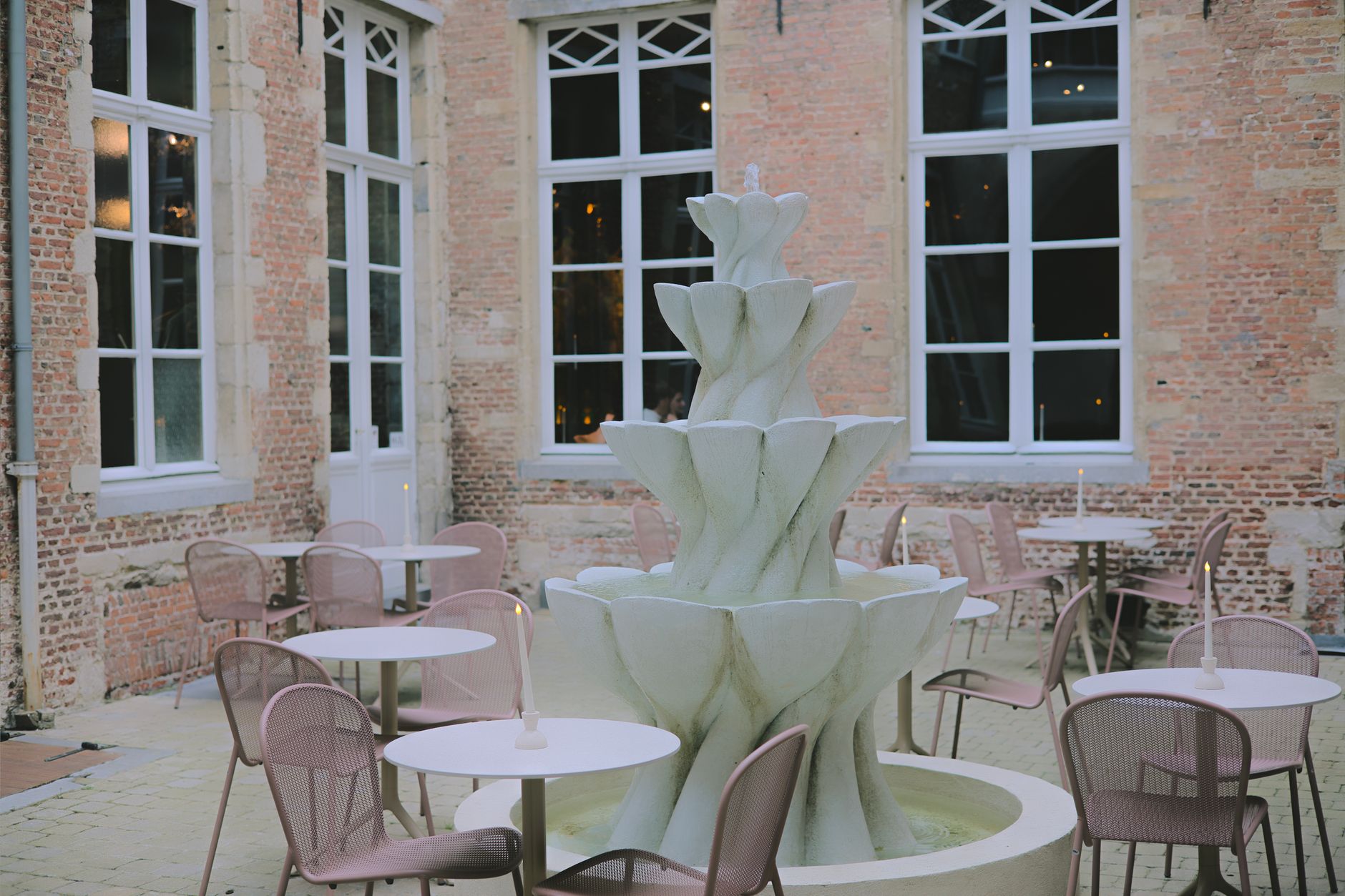
A courtyard property sits in a tricky spot in the Australian market. Buyers searching for a backyard will filter it out. Buyers who haven't considered a courtyard will scroll past the listing before they've given it a chance. The challenge isn't the space itself; it's how you frame it before a single buyer steps through the gate. Get the positioning right and a courtyard stops being a compromise and starts being a feature buyers actively seek out.
Who actually buys a courtyard property
The first job is knowing your audience. A courtyard home attracts a specific kind of buyer: downsizers who want outdoor space without lawn maintenance, inner-city professionals who value privacy over scale, couples without children, and buyers who entertain in contained, styled spaces rather than open lawns. These buyers exist in real numbers. In dense urban suburbs across Sydney, Melbourne, and Brisbane, they're often the majority.
Your listing copy and photography need to speak to them directly, not to the family-of-four buyer who wanted 600 square metres of backyard. Trying to appeal to both audiences at once usually means you appeal to neither. Pick the buyer, then build the marketing around what that buyer actually wants from a private outdoor space.
How to position a courtyard in the listing description
The instinct with a courtyard is to minimise it: "low-maintenance courtyard garden" buried third from the bottom of the features list. That's backwards. A courtyard is a design decision, not a size limitation, and the listing copy should treat it that way.
Lead with what the courtyard does rather than what it is. "A walled north-facing courtyard with direct kitchen access" does more work than "private rear courtyard." Tell buyers how it functions: does it work as an alfresco dining room? A morning coffee terrace? A sheltered garden that gets afternoon shade in summer and full sun in winter? Specific details convert passive browsers into booked inspections.
Avoid words that signal apology: "compact," "manageable," "easy-care." These tell the buyer you're aware the space is small and you'd like them to forgive you for it. Instead, use words that signal intention: "enclosed," "private," "walled," "sheltered," "courtyard entertaining." The same 20 square metres reads completely differently depending on which vocabulary you reach for. For broader guidance on writing copy that earns its keep, the principles in property listing descriptions that attract serious buyers apply directly here.
Styling the courtyard before photography day
A bare courtyard with a single pot plant and a garden hose rolled up in the corner tells buyers nothing. It looks small, unloved, and easy to overlook. Styled correctly, a courtyard can become the emotional centrepiece of the entire listing. Buyers often remember the courtyard photo long after they've forgotten the kitchen.
The styling goal is to show the space at its maximum functional capacity. That means a proper outdoor setting: a table, chairs, and at least one umbrella or overhead shade structure if the courtyard is exposed. Add a small planted border or vertical garden if there's room. Lanterns or string lights above a dining table suggest evening use, which instantly widens the emotional appeal. A single indoor plant moved outside for the shoot can fill a corner without looking contrived.
Remove anything that signals maintenance: the hose, the empty pots, the watering can, the bag of mulch leaning against the fence. These are clutter in a courtyard the same way a pile of dishes is clutter in a kitchen. Styling an outdoor entertaining area for property photos covers the broader principles, and most of them transfer directly to a courtyard with only minor adjustments for scale.
Getting the photography right
Courtyard photography has one consistent problem: the photographer stands at the door and shoots straight across the space, producing an image that looks smaller than the courtyard actually is. The fix is to shoot from inside the courtyard looking back toward the home, with the door or window frame in the shot. This gives the image depth, context, and a sense of flow between indoors and outdoors.
Shoot at a low-ish angle rather than from full standing height. This lengthens the perceived floor area and pushes the walls back. If the courtyard has a distinctive overhead feature, like a pergola, a feature wall, or climbing plants, include it in the frame rather than cropping it out. Architectural details make the space feel considered rather than compact.
Light matters more in a courtyard than in almost any other outdoor space because there's no sky to fill the frame. Shoot when the courtyard gets direct sun if it's north-facing, or in even shade if it's south-facing and the walls reflect light back into the space. Avoid shooting when one wall is in bright sun and the opposite wall is in deep shadow; the contrast makes the space look smaller and less inviting than it is in person. Twilight can work well if the courtyard has lighting: a few lanterns or fairy lights photograph beautifully in the blue hour. The principles in how to photograph an alfresco dining area apply closely here, particularly around shooting angle and time of day.
Addressing the "no backyard" objection before it comes up
Some buyers will still ask about the backyard. The right response isn't defensive. It's a reframe: "The courtyard was designed to give you a private outdoor room without the weekend maintenance commitment most houses that size would bring." That's a statement of value, not an apology. Train the agent to say it the same way every time.
In the listing copy, consider adding a single line that addresses the lifestyle angle directly. "Ideal for buyers who want low-maintenance outdoor living without sacrificing privacy or entertaining space" does two jobs at once: it signals who the home is for, and it filters out buyers for whom the courtyard will always be a problem. Fewer but better-matched inspections lead to faster, cleaner offers.
Using the marketing materials to show scale honestly
The one thing you should not do is make the courtyard look dramatically larger than it is in the photos. Wide-angle lens distortion can stretch a 15-square-metre courtyard into something that looks like a garden terrace, and buyers who inspect in person and feel misled won't make offers. A floor plan that includes the courtyard with accurate dimensions does more good than a stretched photo, because it sets realistic expectations before the inspection and gives buyers confidence that you're being straight with them.
Include the courtyard dimensions in the listing copy. "Enclosed north-facing courtyard, approximately 4m x 5m" is specific and honest. Buyers who've been burned by misleading photos before will notice the specificity and trust the listing more because of it.
The courtyard is not a missing backyard. It's a private outdoor room with walls, which is something a standard suburban garden almost never offers. That's the story. Tell it clearly, photograph it well, and the right buyers will come.