
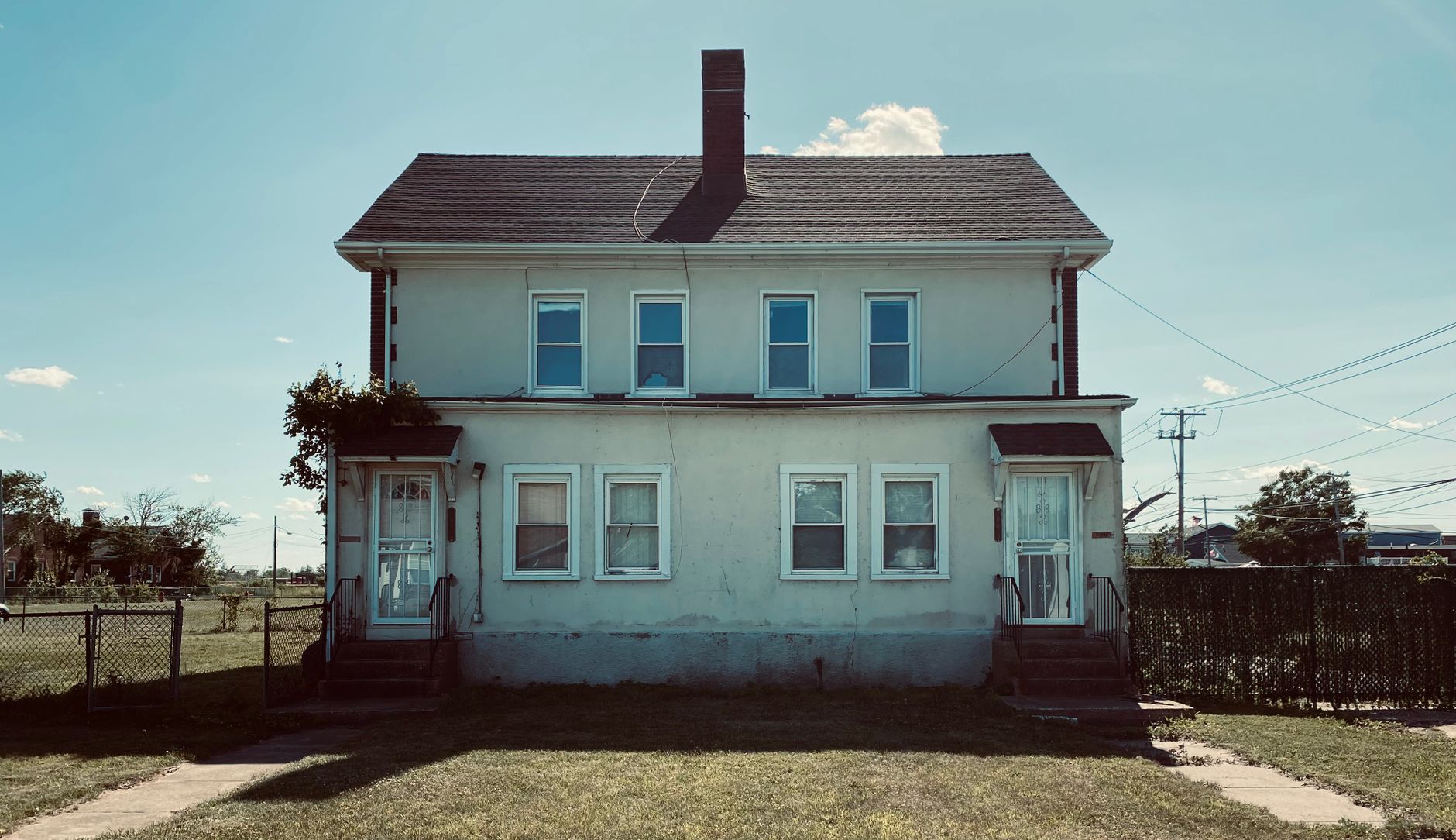
Dual occupancy properties and duplexes occupy a strange middle ground in Australian real estate. They're not quite residential, not quite investment, not quite commercial. Most standard listing strategies treat them like a house with a bonus room, and that's where sellers lose money. Marketing a dual occupancy property well means speaking to at least two distinct buyer types simultaneously, without letting the message become so broad it lands with nobody.
Understand who's actually buying
A duplex or dual occupancy home attracts three main buyer groups. The first is the owner-occupier who wants to live in one side and rent the other to offset the mortgage. The second is the pure investor buying for yield. The third is a multigenerational family looking for two connected but private living spaces. Each group cares about completely different things, and your marketing needs to signal something real to at least one of them without actively turning off the others.
Owner-occupiers respond to lifestyle messaging. Show them what it actually feels like to live in the primary dwelling. Investors want rental yield figures, vacancy rates in the suburb, and comparable lease data. Multigenerational buyers need to understand privacy: separate entrances, acoustic separation between dwellings, and how the site actually flows between the two residences.
Don't try to speak to all three equally. Pick the most likely dominant buyer for your specific property and lead with that, then let the other groups self-select from the details.
How photography changes for a dual occupancy property
Standard listing photography covers one kitchen, one living room, one set of bedrooms. A dual occupancy property has two of each, and the photographer needs a clear brief before they arrive on site. Kitti Rivers Real Estate Photography treats dual occupancy shoots differently from the outset: both dwellings are photographed in full, not just the primary one.
The most common mistake is giving the secondary dwelling a single hallway shot and calling it done. Buyers aren't going to commit to a property they can't properly visualise. Photograph both kitchens, both living areas, and both private outdoor spaces with equal care. If the secondary dwelling is smaller, good photography can still make it feel complete rather than cramped.
Establish the relationship between the two dwellings with at least one or two shots from the shared site: the driveway, the garden split, or the two front doors side by side. This single image does more to communicate the property's layout than any floor plan description. Speaking of which, floor plan photography is not optional for dual occupancy listings. Buyers inspecting online need to understand the spatial logic before they'll commit to an in-person visit, and two dwellings on one title is inherently more complex than a single home.
Writing copy that doesn't confuse buyers
The listing headline is where most dual occupancy marketing falls apart. Vague phrases like "incredible investment opportunity" or "live in one, rent the other!" feel generic and don't help the buyer picture themselves there. Be specific about the configuration. "4-bedroom duplex with two fully self-contained dwellings" tells a buyer exactly what they're clicking on.
In the body copy, separate the two dwellings clearly. Don't interleave features from both sides in the same paragraph. Write about the primary dwelling first, describe it fully, then move to the secondary dwelling and do the same. Buyers scanning a listing on their phone can't hold two interleaved sets of features in their head at once.
Yield figures deserve a dedicated line, not a footnote. If the secondary dwelling commands $450 per week in rent, say so plainly. Investors won't dig for the number; they'll move to the next listing. Strong listing copy always puts the most decision-relevant detail where buyers will actually find it.
Photography for the investment pitch
Investors buying for yield aren't emotionally attached to timber floors or plantation shutters the way owner-occupiers are. What they're looking at is condition, maintenance liability, and liveability for tenants. Your photography should show clean, functional spaces with good natural light. Don't over-style the secondary dwelling for a photoshoot if it's currently tenanted: an occupied, well-maintained rental reads as proof of income to an investor far more convincingly than an empty room dressed with prop cushions.
If the property is vacant on both sides, virtual staging can be a cost-effective way to furnish both dwellings for the listing without the expense of staging two separate residences. Use it consistently across both sides so the listing doesn't look mismatched.
Where to list and how to reach both audiences
Standard residential portals like realestate.com.au remain the primary channel. Make sure the listing is categorised correctly; a dual occupancy listed only under "house" misses investors searching by dwelling type. Many portals allow you to add investment-specific details like estimated rental yield and existing tenancy status. Fill these fields in.
Paid social ads can target both audience groups with separate creative. Run one set of ads using lifestyle imagery of the primary dwelling, aimed at owner-occupiers in the relevant age bracket. Run a second set featuring the exterior and yield figures, targeted at self-managed super fund holders and investors searching for dual-income properties. These are genuinely different people scrolling in different mindsets, and a single ad won't resonate with both.
Email your database with a dedicated brief: "new dual occupancy listing" performs better as a subject line than the address alone, because investors filtering for that property type will open it immediately.
The disclosure that actually helps you
Some sellers worry that disclosing the full complexity of a dual occupancy title, body corporate arrangements, or shared services will scare buyers off. It won't, provided you present those details clearly and early. An investor who discovers an unexpected shared water meter at the contract stage is a buyer who withdraws. An investor who reads about the shared water meter in the listing and understands how it's managed is a buyer who writes an offer.
Transparency about the practical realities of owning a dual occupancy property builds confidence. Put the council approval status, the occupancy certificate, and the rental history front and centre in the information memorandum. Buyers who are right for this property type are sophisticated enough to appreciate it.
Timing and campaign length
Dual occupancy properties take longer to sell than equivalent single-dwelling homes. Four weeks is a short campaign for this property type; six to eight weeks gives the investor market time to move through its decision cycle, which often involves finance pre-approval across two potential income streams. Don't let your agent push for a shorter campaign to hit a quarterly target. The buyer for a dual occupancy property is often interstate, and needs time to inspect in person or arrange an independent inspection report.
Price your campaign based on comparable dual occupancy sales, not on comparable single-dwelling sales in the street. These are different products and buyers know it. An agent who benchmarks your duplex against the three-bedroom house next door is working from the wrong dataset.