
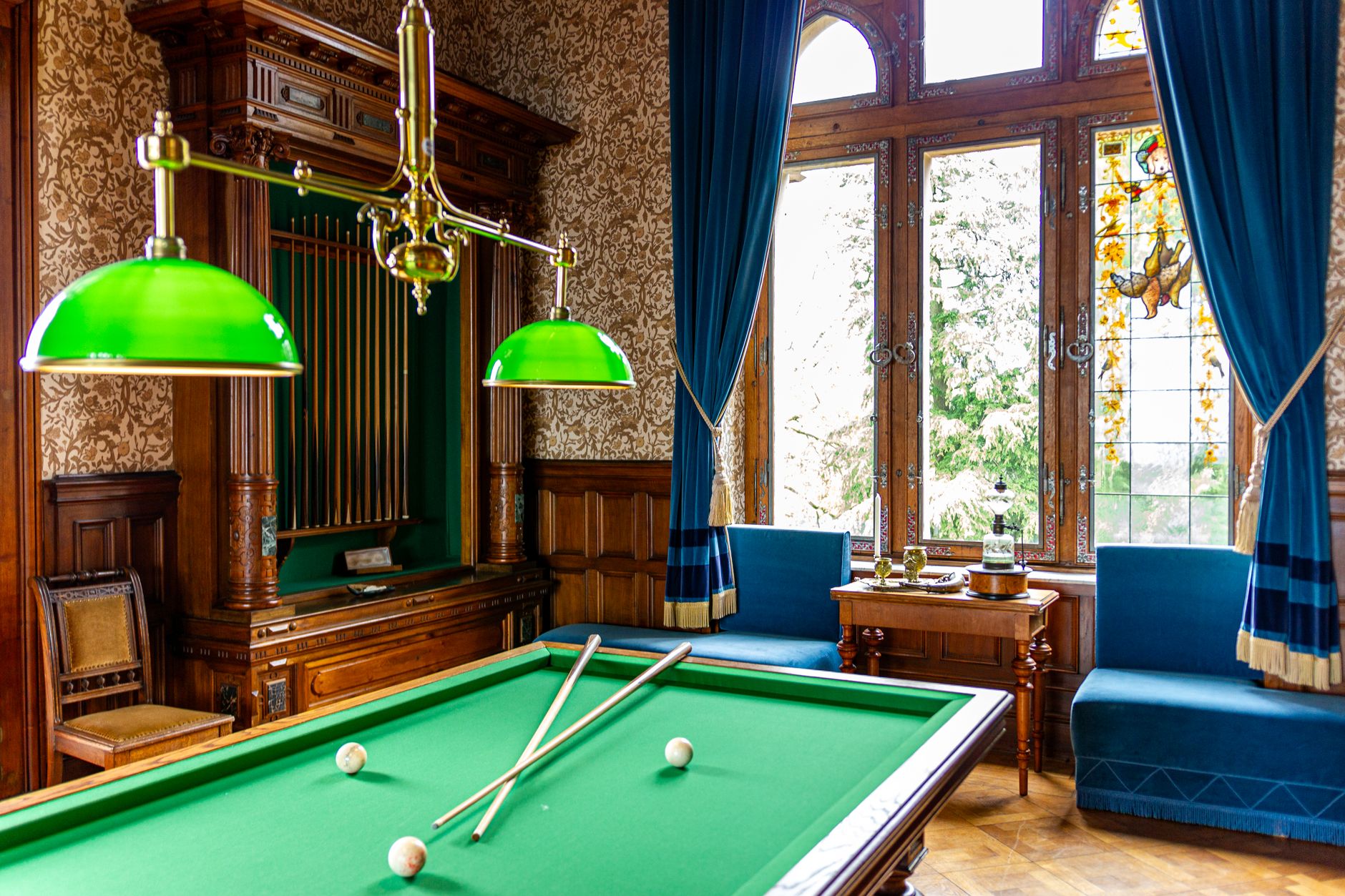
A games room is one of the most polarising spaces in a property listing. Buyers either see it as an exciting bonus or mentally subtract it from the home because they can't picture using it. The difference almost always comes down to how it's styled before the photographer arrives. Get the balance right and the room reads as versatile, lively, and genuinely liveable. Get it wrong and it looks like a cluttered hobby cave that narrows your buyer pool.
Why games rooms are difficult to photograph
Most games rooms accumulate purpose-built furniture, screens, cables, game storage, and a mix of equipment that photographs as visual noise. A poker table with felt stains, a foosball table with broken handles, or a wall of shelving packed with game cases can turn a generous room into something that looks cramped and hard to love. The room's function is immediately legible, which is actually the problem. When buyers can only picture the current owner using a space, they disconnect.
The second challenge is light. Games rooms are often basement conversions, internal rooms, or spaces with heavily curtained windows because glare interferes with screens. That means the photographer walks into a dark room with mixed artificial lighting and very little natural fill. Good styling addresses the lighting environment directly, not just the furniture arrangement. If you're curious about what happens when a professional handles dark or artificially lit spaces, the approach described in our guide on photographing dark or north-facing interiors applies directly here.
Clear the room of anything that reads as wear
Start by removing every item that signals age, heavy use, or personal taste so specific it excludes buyers. That includes:
- Worn gaming chairs with visible creasing or staining
- Tangled cables and power boards on the floor
- Open shelving packed with game cases, controllers, and headsets
- Novelty items, posters, and memorabilia that reflect one genre or fandom
You don't need to empty the room. You need to remove anything that a buyer would mentally categorise as someone else's stuff. A clean, well-placed pool table photographs beautifully. A pool table with a crumpled cover, a rack of cues wedged in the corner, and drink rings on the rail does not.
Reframe the room's identity before styling begins
The most effective games room photos don't sell the games. They sell the lifestyle. Think about what a buyer actually wants when they're drawn to a space like this: a room for hosting, unwinding, or giving kids and teenagers their own zone. Those are universally appealing ideas. The styling should reflect them.
Replace a gaming-specific aesthetic with something warmer and more social. A pool table with a clean felt surface and two or three cues neatly racked becomes a hosting focal point. A bar cabinet styled with a few bottles, clean glassware, and a plant reads as grown-up entertaining space. A dart board mounted cleanly on a timber backboard looks intentional rather than provisional.
If the room has built-in shelving, style one shelf as a drinks station, one with a couple of books or board games (still boxed and well-presented), and leave at least one shelf clear. Density is the enemy. The approach used for bookshelf walls translates well here: treat each shelf as a frame, not a storage unit.
Lighting the space for photography
Natural light is your first resource. Open every curtain and blind, even if the owner never does. If the room has a window that's been blocked by a TV unit or shelving, move the obstruction temporarily. A single window can transform the feel of a games room photo if it's allowed to do its job.
For rooms with no natural light, the overhead fixture matters more than anywhere else in the house. Replace any blown or dim globes before the shoot. If the overhead fitting is a basic batten or fluorescent strip, ask whether the owner can install a warmer bulb temporarily. A photographer using flash and ambient techniques will be able to work with the space, but the warmer and more even the ambient light, the more relaxed and liveable the room looks in the final image.
Avoid leaving gaming monitors and screens switched on during the shoot. A bright screen in a photo creates a colour temperature conflict that's difficult to correct in editing. Switch them off or face them to the wall if they can't be removed.
Furniture placement and scale
Games rooms tend to have large, heavy furniture: pool tables, ping pong tables, arcade machines, full sectional sofas. These pieces are difficult to move, which means the camera angle has to work around them. Tell the photographer in advance what the anchor piece is so they can plan their approach before arriving on-site.
For a room centred on a pool table, the best photo is usually taken from one end of the table with the room receding behind it. This uses the table's length to create depth. For a room with a multi-purpose setup, a corner shot that shows the full extent of the space often works better than a straight-on wall-to-wall composition.
If you have a bar area or built-in cabinetry, treat it as a secondary hero. A tightly cropped detail shot of a well-styled bar trolley or drinks cabinet can run alongside the wide-room shot in the listing to show range without requiring a separate room.
What to keep, what to hire, and what to remove entirely
Not everything in a games room is a liability. A high-quality pool table in good condition is an asset worth keeping in frame. A well-designed bar or entertainment unit adds value. A large sectional sofa in a neutral tone grounds the room and makes it feel generous rather than sporty.
Items worth hiring for the shoot include: a pair of bar stools to dress a bar counter, a slim console table if the room lacks a surface for styling accessories, and a potted plant or two for corners that feel hollow. Plants do a lot of work in rooms that lack art or texture on the walls.
Remove anything with a specific brand logo, team colours, or gaming franchise branding. These are the details that make a buyer feel like a visitor rather than a future resident. The goal, as with any room in a listing, is to make the space feel inhabited but not occupied. For further context on this principle applied across the whole home, the guide on decluttering for a property sale covers the room-by-room logic in detail.
The listing copy connection
Once the room is styled and photographed well, it needs to be described correctly in the listing. Don't call it a "games room" if that term risks narrowing your audience. "Entertaining room," "activity room," or "media and leisure space" all position the room more broadly without being dishonest. The photos do the specific work; the copy sets the tone.
A well-photographed games room that's been styled with care can move from being a buyer hesitation to a genuine point of difference. It signals a home built for living, not just sleeping and eating. That's a story worth telling.