
Property market trends in Australia have shifted considerably over the past few years, and 2026 is proving to be a pivotal moment for sellers. Interest rate movements, changing buyer expectations, and a growing emphasis on digital presentation are all influencing how properties perform at sale. Whether you're preparing to list now or planning ahead, understanding what's happening across the market gives you a genuine edge when the time comes.
The current state of the Australian property market
Broadly speaking, Australia's residential property market in 2026 is characterised by tight supply in most capital cities and a buyer pool that is more selective than it was during the post-pandemic boom. Affordability pressures have pushed many first-home buyers towards outer suburbs and regional centres, while upgraders and downsizers are competing hard for well-presented properties in established areas. This selectivity means that homes which present beautifully and are priced correctly tend to sell quickly, while those that don't can linger on the market longer than sellers expect.
How buyer behaviour has changed
Online search is now the undisputed starting point for nearly every property purchase. Buyers form a shortlist before they ever set foot inside a home, which means your listing photos, floor plans, and digital marketing carry more weight than they ever have. Buyers are also more financially cautious: they're researching comparable sales thoroughly and arriving at inspections with clear price expectations already formed. This has raised the bar for presentation considerably. Listings that look polished and professional online attract more enquiries, more inspections, and ultimately stronger offers. Understanding how property marketing affects sale price has never been more relevant than in this environment.
Regional vs capital city trends
The gap between capital city and regional market performance has narrowed in recent years. Remote and hybrid working arrangements have made lifestyle-focused regional areas genuinely competitive with metropolitan suburbs. Towns within two hours of a major city, particularly those with good infrastructure and amenity, have seen strong price growth and solid auction clearance rates. Capital city markets remain strong overall, though there is notable divergence between suburbs: tightly held inner-ring areas continue to outperform, while some middle-ring suburbs are seeing more cautious buyer activity.
What sellers can do right now
The practical implication of these trends is clear: sellers who invest in preparation and presentation are consistently outperforming those who don't. High-quality photography, accurate pricing, and well-timed campaigns make a measurable difference to both sale price and days on market. If you're wondering about the best ways to add value before you list, the strategies outlined in how to increase property value before selling are particularly relevant given current buyer expectations.
Pricing strategy matters more than ever
In a market where buyers are well-informed, overpricing is one of the fastest ways to damage a campaign. Properties that are priced beyond comparable sales often sit unsold for weeks, accumulating a "stale listing" stigma that can make buyers suspicious even after a price reduction. Getting the pricing strategy right from the outset, with the help of a good agent and recent comparable data, is one of the most impactful decisions a seller can make.
Presentation drives competition
Competitive markets reward well-presented homes. Buyers who are inspecting multiple properties in the same weekend will quickly gravitate towards listings that feel move-in ready and visually compelling. Styling, decluttering, fresh paint, and professional photography all signal to buyers that a property has been cared for. In a market where competition for good buyers is real, these details compound into meaningful results at auction or negotiation.
The role of visual marketing in today's market
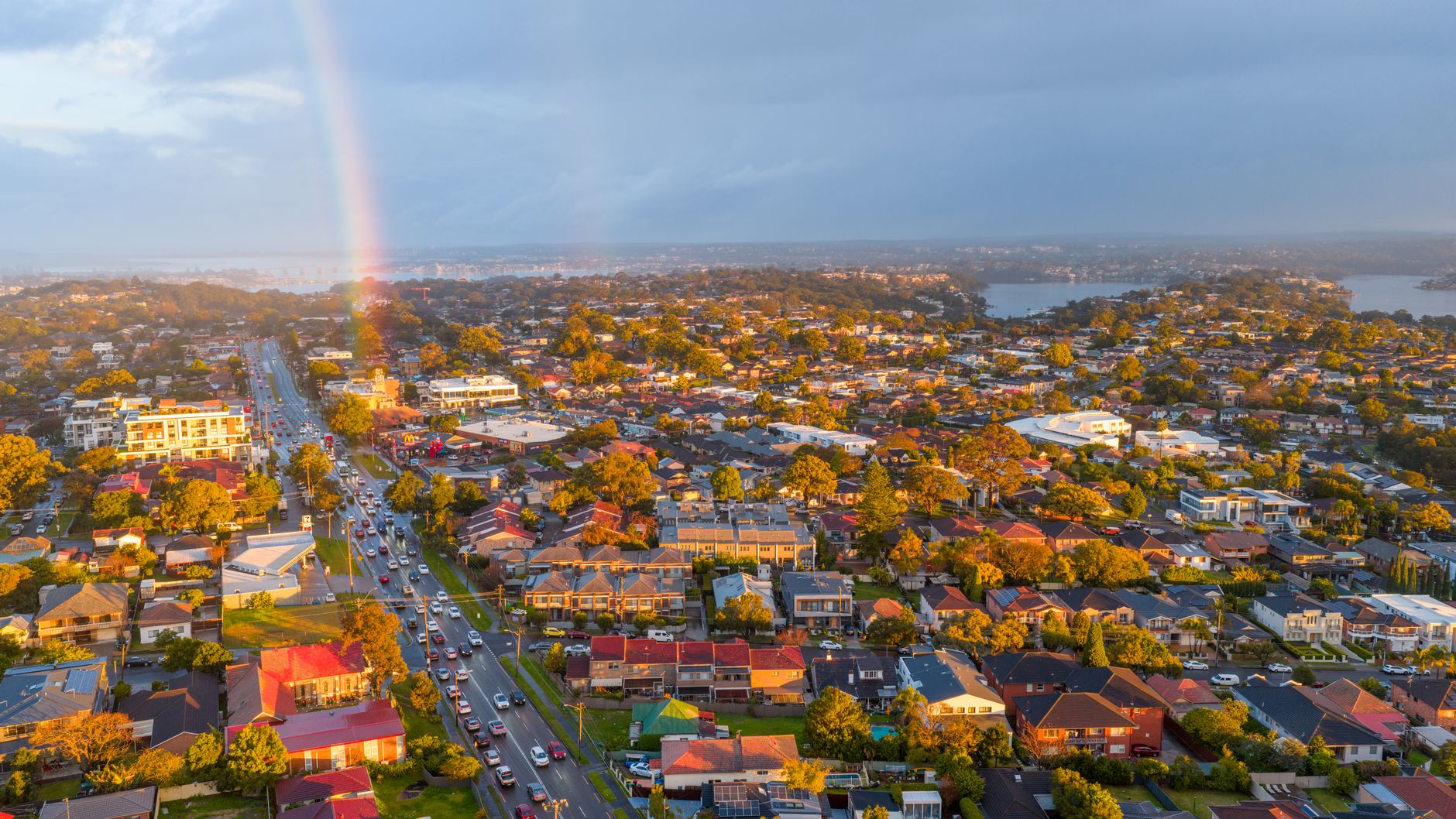
Across Australia, the quality of listing photography has become a significant differentiator. Properties with professional imagery consistently attract more online views, which translates into larger inspection crowds and stronger competition among buyers. Drone photography, twilight shoots, and virtual staging are no longer niche additions: they're tools that help a listing stand out in a busy digital feed. The real estate photography trends shaping property sales reflect exactly this shift, as more sellers recognise that visual marketing is where campaigns are won or lost before a buyer ever visits in person.
Looking ahead
Australia's property market will continue to evolve as interest rates stabilise, population growth continues in key cities, and buyer behaviour adapts to new digital tools and information sources. For sellers, the fundamentals remain consistent: prepare your home well, price it honestly, and market it with quality imagery and a well-considered campaign. Those who approach the sale process with care and strategy are the ones who consistently achieve the best outcomes, regardless of which direction the broader market is moving.