
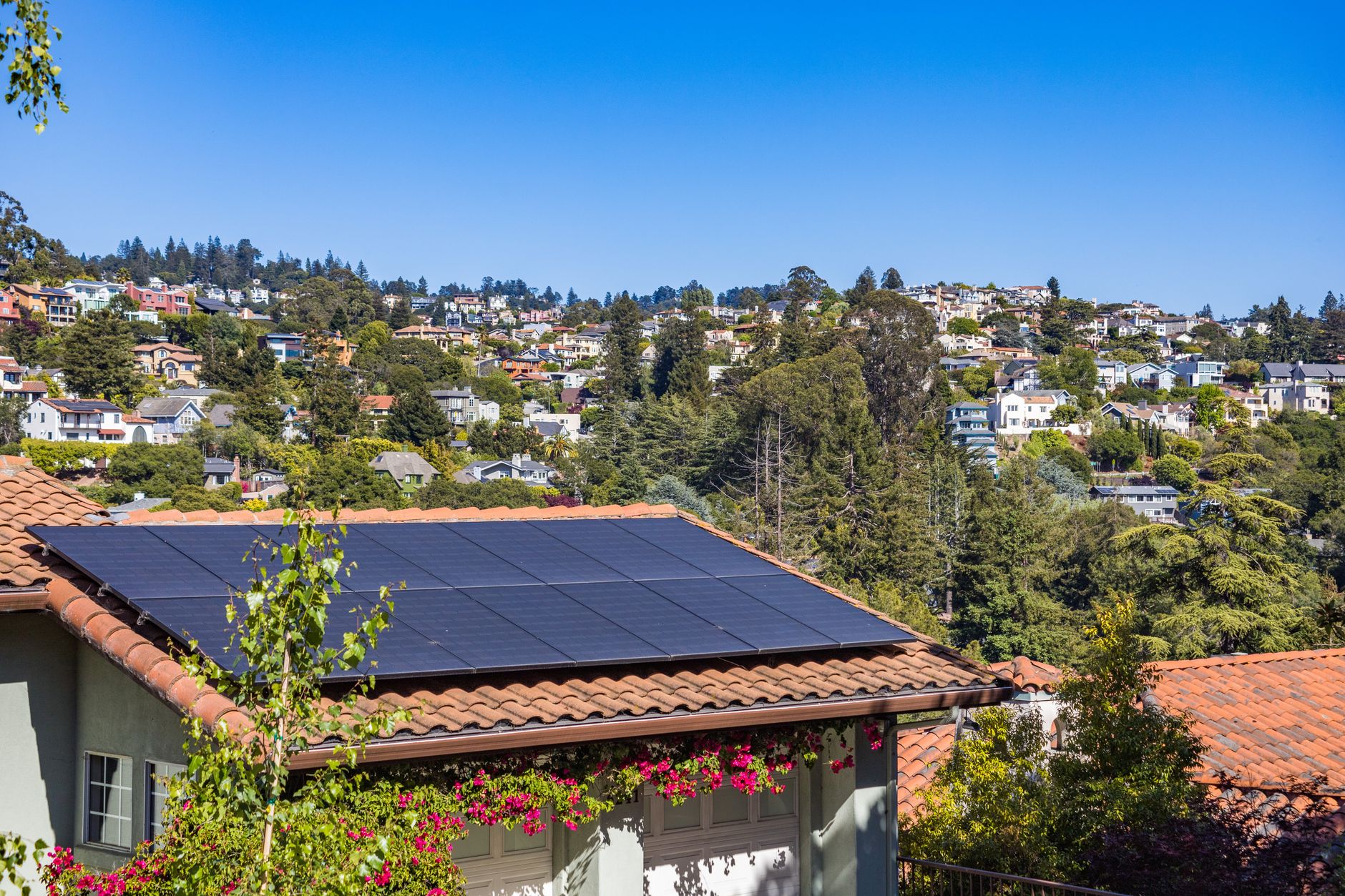
Selling a home with solar panels should be straightforward. Buyers want lower energy bills, and solar delivers. Yet a surprising number of solar-equipped homes sell for no more than their neighbours, purely because the seller never made the system a centrepiece of the campaign. The panels sit on the roof, the listing mentions them in a bullet point, and buyers move on without connecting the dots.
Kitti Rivers Real Estate Photography works with sellers and agents across Australia on property shoots where solar is a genuine feature worth capturing. Here's how to present, photograph, and market a solar-equipped home so that buyers actually feel the value.
Know your system before you list it
The first thing a motivated buyer will ask is how much the system actually saves. If you don't have an answer ready, you've already lost momentum. Pull together three things before the listing goes live: the system size in kilowatts, the average quarterly feed-in credit or bill reduction (your electricity statements will show this), and the age of the panels and inverter.
A 10kW system with a 10-year-old inverter is a very different proposition from a 13.2kW system installed two years ago. Buyers understand this. Give them specifics rather than leaving them to guess, because guessing always produces a more conservative number than the truth.
Check whether the system has a transferable warranty. Most reputable installers, including those accredited through the Clean Energy Council, provide a 10-year product warranty and a 25-year performance warranty on panels. If yours does, say so explicitly in the listing. It removes one of the most common buyer hesitations about buying a home with an existing solar system.
How to photograph solar panels so they sell the home
Most photographers treat solar panels the way they treat downpipes: something to work around. That's the wrong instinct. On a solar home, the roof is a feature, not an afterthought.
The most effective solar shot is a drone image taken from a slightly elevated angle that shows the full array cleanly against a bright sky. This does two things. It communicates scale (a buyer can actually count the panels and see coverage), and it places the system in the context of the whole property. A ground-level photo looking up at the roof rarely communicates anything useful. Drone photography for property sales has become standard practice precisely because it captures details that ground-level shots simply cannot.
Timing matters too. Early morning or late afternoon light gives the panels a clean, glare-free surface. Shooting at midday pushes harsh reflections across the glass and flattens the detail. If clouds are around, a bright overcast sky can work well, producing even light without blown reflections.
Inside the home, photograph the monitoring display if the system has one. Most modern inverters, including those from Fronius, SolarEdge, and SMA, pair with an app or wall-mounted display showing live generation and savings data. A photo of that screen mid-generation, showing kilowatts being produced in real time, is one of the most persuasive single images you can include in a listing. It converts an abstract benefit into a concrete, visible number.
Include solar in your listing description and headline
Most listing descriptions mention solar in a features list at the bottom of the page, below the number of bedrooms and the type of flooring. That buries the value in precisely the place buyers are least likely to reach.
If the system is large enough to make a material difference to running costs, it belongs in the first paragraph of the listing description. Something like: "This four-bedroom home runs on a 13.2kW solar system that returned an average $480 quarterly credit over the past year." That's a concrete, verifiable claim that a buyer can weigh against the asking price immediately.
The listing headline is another missed opportunity. Buyers searching on property portals use filters, but they also scan headlines quickly. A headline that calls out solar specifically can stop the scroll. Writing a compelling headline is a craft in itself, and the principles that apply to solar homes aren't different from any other feature worth leading with. The goal is a specific, honest claim that earns the click.
Target the right buyers
Solar appeals most strongly to owner-occupiers who plan to stay in the home for a number of years, families with high daytime electricity use, and buyers who are already environmentally motivated. It's less compelling to investors, who may not occupy the property and whose tenants receive the electricity bill rather than them.
This matters for your marketing channels and the language you use. If your home is in a suburb with strong owner-occupier demand, solar deserves prominent placement everywhere: the portal listing, the social media posts, the open home collateral, and the agent's verbal pitch at the door. If the likely buyer pool skews toward investors, you may want to reframe the appeal around rental yield and tenant desirability rather than personal savings.
When preparing your marketing timeline, build in time to produce the energy data summary and get the drone shots scheduled. Rushing either leads to generic content that undersells the system. The goal is for a buyer to walk out of the open home knowing exactly what the solar system is worth to them every quarter.
Be transparent about what the system doesn't do
Buyers with solar experience will ask about battery storage. If the system doesn't have a battery, say so plainly. Don't leave that question hanging in the air at an open home where a buyer might assume one is included. If the roof orientation means the system underperforms relative to a north-facing setup, acknowledge it and let the actual performance data speak for itself. Honest, specific information builds trust faster than any sales language.
One more detail worth disclosing: any existing feed-in tariff arrangement. Older systems in some states locked in premium feed-in tariffs that were far higher than current rates. Whether or not that tariff transfers to the new owner depends on the retailer and the state. If it does transfer, that's a genuine selling point. If it doesn't, buyers need to know before they make an offer.
Presentation and kerb appeal still matter
A home with solar panels still needs to win on every other front. Clean gutters, a tidy roof, and a well-maintained façade make the panels look deliberate and cared for rather than bolted on as an afterthought. Kerb appeal remains one of the most powerful tools a seller has, and solar panels that sit above a property in excellent visual condition reinforce the message that this home has been looked after.
If the panels themselves have accumulated dust or grime, a professional clean before the photo shoot is worth the cost. Clean panels reflect light more evenly in photography and signal to buyers that the system is well maintained. It's a small detail that experienced buyers notice.
The same principle applies inside. If the monitoring display, the inverter, and the switchboard are in good condition and clearly labelled, photograph them. Buyers who are seriously interested in a solar home will inspect those components. Having clean, accessible infrastructure with documentation ready removes a friction point that can stall offers.
Solar is one of the few home improvements that pays the owner every single day it's in service. Present it that way, with real numbers, strong photography, and honest disclosure, and it earns back its place in the asking price.