
Interior design trends have a quiet but powerful influence on how quickly a property sells. Buyers walking through a home are responding emotionally to what they see, and a space that feels dated or cluttered can dampen enthusiasm even when the bones of the property are excellent. Understanding which trends are connecting with buyers right now gives sellers a meaningful edge, particularly in a competitive market.
Why design trends matter in a property sale
A buyer's first impression forms within seconds of stepping through the door, or these days, within seconds of seeing the listing photos online. Design choices that feel fresh and considered signal that a home has been cared for and is move-in ready. That perception directly affects offers. In contrast, spaces that feel stuck in a previous decade tend to attract lower bids or longer days on market, even when the property itself is sound. This is closely connected to how property marketing affects sale price: the visual story you tell shapes what buyers are willing to pay.
The trends buyers are responding to in 2026
Warm neutrals over cool greys
The cool grey palette that dominated Australian interiors for much of the 2010s has given way to warmer tones. Creamy whites, soft taupes, sandy beiges, and terracotta accents create spaces that feel inviting rather than clinical. These shades photograph beautifully, which matters enormously when a buyer's first encounter with your home is through a screen. If your walls are still a stark cool grey, a fresh coat of paint in a warmer neutral is one of the highest-return updates you can make before listing.
Biophilic design elements
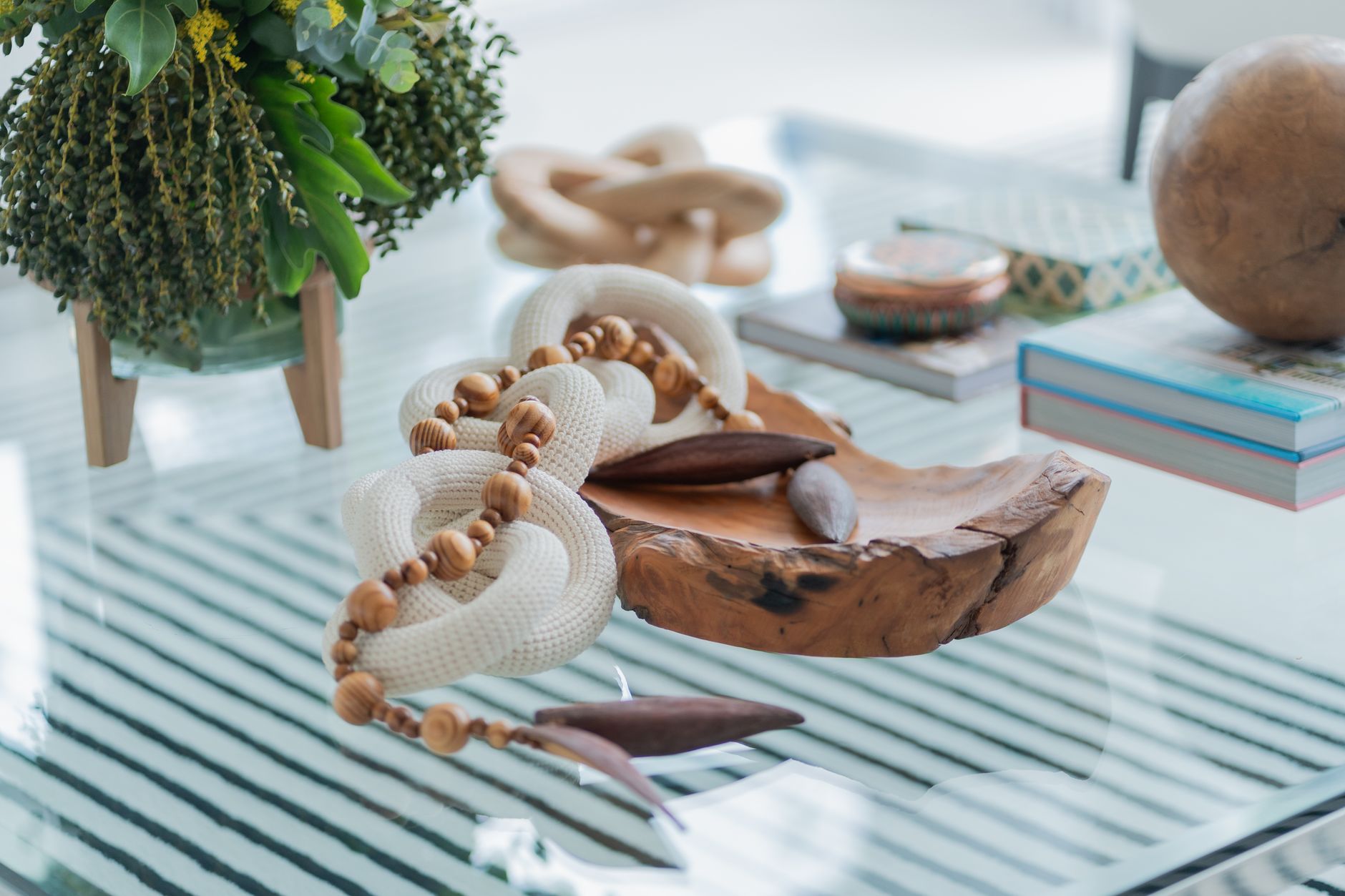
Bringing nature indoors has moved from a niche aesthetic to a mainstream expectation. Buyers are drawn to spaces with indoor plants, natural materials like timber, rattan, linen, and stone, and plenty of natural light. Even small gestures, such as a cluster of potted plants in the kitchen or a jute rug in the living room, signal a lifestyle that many buyers aspire to. This trend also plays well in photography: greenery adds colour and life to images that might otherwise feel flat.
Decluttered, purposeful spaces
Minimalism has evolved into something warmer and more liveable, but the core principle remains: every surface and every item in a room should earn its place. Buyers in 2026 are particularly drawn to spaces that feel calm and unencumbered. Oversized furniture, excess decorative objects, and visible clutter all shrink a room visually and in photographs. Editing your belongings down before a shoot or an open home is one of the simplest and most effective things you can do. For a practical breakdown of how to approach this, the guide on how to prepare your home for a real estate photo shoot walks through the process room by room.
Statement lighting
Pendant lights, sculptural floor lamps, and layered lighting schemes have replaced the single overhead fitting as the default for well-styled homes. Lighting does double duty: it creates ambience in person and adds visual interest in photographs. Replacing a dated ceiling rose fitting with a considered pendant in the dining or living area is a relatively low-cost update that has an outsized visual impact. Warm-toned globes (around 2700K) also photograph more warmly than cool white bulbs, which can make rooms feel sterile.
Textural layering
Buyers are responding to rooms that feel tactile and rich, even through a screen. Layering different textures, think a linen cushion against a chunky knit throw, a ceramic vase on a marble surface, or a woven basket beside a timber shelf, adds depth and a sense of considered style. This approach works especially well in bedrooms and living areas, where buyers are imagining themselves relaxing. A room that feels sensory and warm converts better in photos and at open homes.
Functional, beautiful storage
Open shelving styled with books, plants, and objects has replaced the purely practical storage solutions of earlier decades. Buyers are looking for homes where storage is part of the design language rather than an afterthought. Rattan baskets, timber crates, and built-in shelving styled with intention all communicate a home that's thoughtfully designed. If your home has awkward storage, consider whether some simple styling can turn it into a feature rather than a problem.
Aligning your interiors with buyer expectations
Not every trend will suit every home, and authenticity matters. Trying to apply every current design direction to a property that has its own architectural character can look forced and unconvincing. The better approach is to identify two or three trends that complement what the home already does well, and focus energy there. A Federation-era cottage, for example, benefits from warm neutrals and natural materials in a way that feels coherent with the home's character. A sleek contemporary apartment might lean further into purposeful minimalism and statement lighting.
It's also worth considering how your design choices will translate in photography. Some of the most impactful styling decisions are ones that read particularly well on camera: warm colours, natural light, layered textures, and greenery all contribute to images that stop a buyer mid-scroll. The connection between interior styling tips and buyer psychology is well established, and professional photographers can help you understand which adjustments will make the biggest difference in your specific space.
When to call in a professional stylist
For sellers who are unsure where to start, or who are selling a vacant property, a professional interior stylist can be a worthwhile investment. Stylists have current knowledge of what resonates with buyers in your local market, access to furniture and accessories for hire, and the ability to transform a space quickly. When combined with professional photography, styling consistently produces listing images that stand out and attract stronger initial interest. If budget is a constraint, even a one-hour styling consultation can provide direction on the changes that will deliver the most return.
Design trends are a tool, not a mandate. Used thoughtfully, they help buyers see your home at its most appealing and make the decision to offer that much easier.