
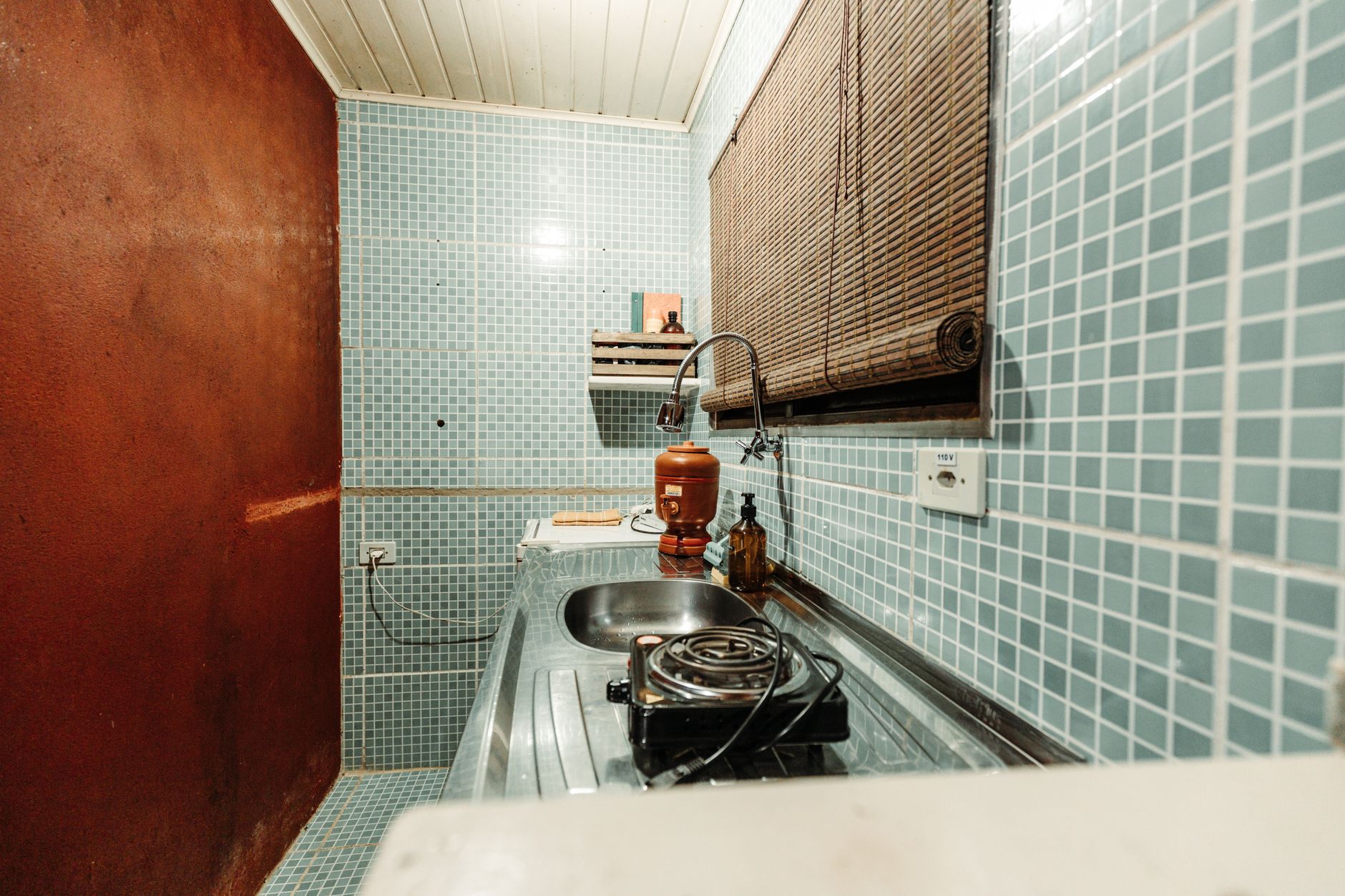
A second kitchen or kitchenette is one of those features that sounds straightforwardly appealing until you try to market it. Done well, it broadens your buyer pool considerably. Done poorly, it raises questions about whether the property has been subdivided without approval, converted on the cheap, or used as an informal rental. The difference between those two outcomes comes down almost entirely to how you position, photograph, and describe the feature before your listing goes live.
Who actually buys a home with a second kitchen?
Knowing your buyer is the first step. A second kitchen draws interest from at least 3 distinct groups, and each one needs a slightly different message.
Multigenerational families are the most common buyer for this configuration. Two adult generations sharing a home but wanting separate cooking and dining routines is a genuine lifestyle need, and it's growing across Australia as housing costs push extended families together. These buyers want to see the kitchenette presented as a proper, functional space, not a makeshift bar fridge and microwave on a shelf.
Buyers with a granny flat mindset are another key group, even when the second kitchen is internal rather than a separate dwelling. They're thinking about rental income, ageing parents, or adult children who need independence. For them the question isn't just "does it have a second kitchen" but "does this feel like a genuinely usable secondary living zone?"
Short-stay investors are a smaller but motivated segment. A well-configured lower level with its own kitchenette, bathroom, and separate entry is appealing to Airbnb operators. Make sure your agent knows whether the property and its zoning actually permit short-stay use before this conversation enters any marketing copy.
Get the compliance question out of the way first
Before any photography happens, confirm what the second kitchen actually is from a council and planning perspective. An approved secondary dwelling is a very different asset to an unapproved kitchenette installed by a previous owner. Buyers will ask. Their conveyancers will check. Addressing this honestly in your marketing protects you and builds trust.
If the kitchenette was installed without approval, you have two options: disclose and price accordingly, or regularise it before listing if the council allows retrospective approval. Don't try to bury the issue behind aspirational language in the listing description. That approach backfires at the contract stage and can kill deals.
How to photograph a second kitchen or kitchenette
Most second kitchens are small. They're also often tucked into spaces that are awkward to light and tight to frame. The same principles that govern photographing a main kitchen apply here, but with greater demands on preparation because there's less room to hide anything.
Clear absolutely everything off the benchtop. A second kitchen benchtop covered in appliances reads as storage overflow, not a functional cooking space. One bowl of fruit, one small plant, or a clean cutting board is enough to signal "this is used intentionally." Everything else goes.
Lighting is usually the bigger challenge. Kitchenettes fitted to converted spaces often have minimal natural light and a single downlight. Supplement with a small portable LED panel bounced off the ceiling rather than aimed directly at the bench. This lifts ambient light without creating harsh reflections on benchtop surfaces or splashback tiles.
Shoot from the corner that gives the most depth. A wide-angle lens, used carefully to avoid distortion, can make a compact kitchenette feel like a proper workspace. The goal is to communicate function: a buyer looking at the photo should be able to mentally place themselves cooking in that space.
If the kitchenette is part of a broader secondary living area, photograph that zone together rather than in isolation. Show the kitchenette in the context of the living space it serves. That context is what turns a single photo of a small bench and sink into a story about independence, flexibility, and liveability.
Styling the space before the shoot
A second kitchen that looks like it's been neglected will undermine even the best photography. Spend an afternoon on it before your photographer arrives.
Replace any dated hardware if the budget allows. New cabinet handles cost almost nothing and photograph dramatically better than worn originals. If the splashback is in poor condition, a coat of tile paint in a neutral tone is a low-cost fix that photographs well.
Make sure every appliance that comes with the property is clean and in working order. A buyer who notices a dirty microwave or a stovetop with missing knobs will mentally deduct far more than the actual cost of fixing either.
Coordinate the styling with the rest of the home. A second kitchen styled with completely different tones to the main living zone can feel like a makeshift addition rather than a deliberate design choice. Carry one or two styling elements through: a matching tea towel, the same plant genus, a consistent colour in any accessories. Small details signal intention.
Writing the listing description
The phrase "second kitchen" does real work in a listing headline. It's specific and searchable. Buyers with multigenerational households, or those actively filtering for dual-living configurations, will find you. Use it early.
In the body of the description, name what the kitchenette includes. "Kitchenette with full-size oven, dishwasher, and stone benchtop" tells a buyer far more than "a second kitchen area." If it has a separate entrance, say so. If it connects to a bathroom, say that too. Buyers assessing dual-living potential need to understand the full configuration from the listing, not discover it at the open home.
Avoid vague phrases like "perfect for extended family or guests." That phrasing is weak and sounds like every other listing with a secondary space. Instead, describe what the space actually enables: two households sharing one property without sharing a kitchen, or a space that gives a teenager or elderly parent genuine independence within the home.
Frame the compliance status clearly. "Council-approved secondary dwelling with separate kitchenette" or "internal kitchenette installed for private use" both tell a buyer something useful. Silence on this point invites speculation.
Pricing and positioning
A second kitchen, properly compliant and well-presented, justifies a price premium. The size of that premium depends on the configuration and the market. A fully self-contained lower level with its own kitchen, bathroom, living area, and entrance is worth considerably more than a kitchenette added to a spare bedroom.
Talk to your agent about how comparable sales in your area have treated similar configurations. If nearby properties with secondary dwellings have sold at a meaningful premium, use those as comparable evidence when setting your price. Understanding how to price your home strategically matters more here than in a straightforward family home sale, because the buyer pool is narrower and the mismatched expectations can be costly.
Don't overprice based on aspirational rental income figures you've estimated yourself. Buyers will do their own numbers. Price for the quality and compliance of what's actually there, and let the photography and description do the work of demonstrating value.