
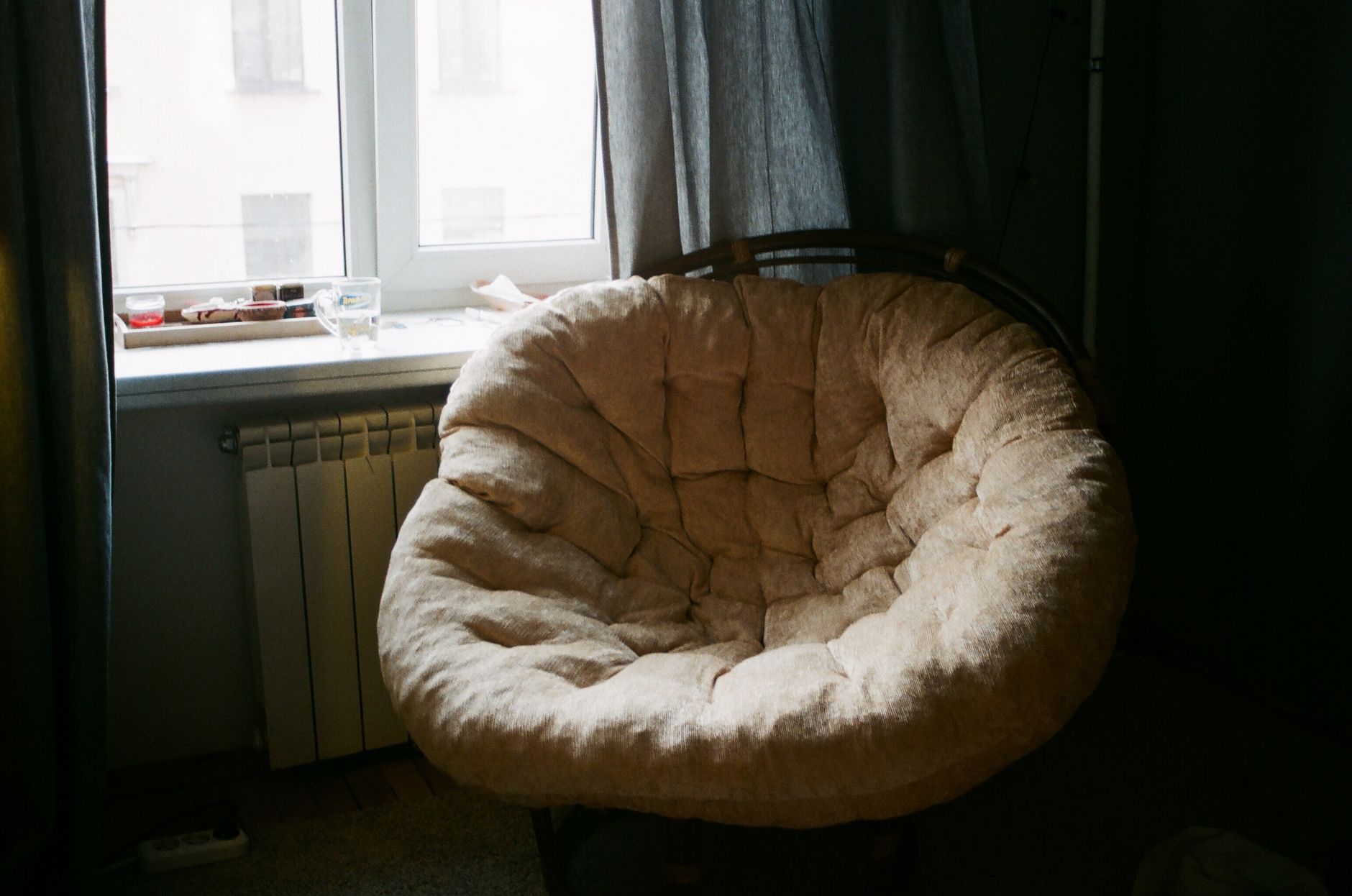
A window seat is a genuinely rare feature in Australian residential property. Buyers scroll past dozens of listings and pause the moment they see one styled well. Done badly, it reads as a cluttered ledge. Done well, it becomes the emotional centrepiece of the room, the shot buyers screenshot and send to their partner.
Why window seats matter in a listing
Window seats occupy a space in the buyer's imagination that most rooms can't touch. They suggest a slow morning with a book, a child doing homework in a patch of afternoon sun, a quiet corner that belongs to no one in particular. That kind of emotional resonance is worth a lot in a listing, and it photographs in a single frame. The challenge is that most window seats arrive at photo day buried under throw pillows, charging cables, folded laundry, and years of daily use. The potential is there. The styling is not.
Getting it right isn't about hiring an interior decorator. It's about understanding what the camera sees, what light does to cushions and timber, and which details to remove versus which to add. Kitti Rivers Real Estate Photography shoots window seats regularly across South East Queensland, and the same principles apply whether the seat is a simple built-in beneath a bedroom window or a deep bay-window alcove.
Clear it completely before you add anything back
Start with a blank slate. Remove everything: all the pillows, the kids' toys, the book, the succulent in a pot, the phone charger wedged into the corner. Once it's empty, assess the seat itself. Is the cushion clean? Does it have a cover you can wash or replace? A stained or faded cushion will dominate the photo no matter how well everything else is styled. Replace it if you can; at minimum, steam it and turn it over.
Check the timber or painted joinery around the seat. Scuffs and chips read clearly in a well-lit photo. A quick sand and touch-up coat takes thirty minutes and makes a real difference. Clean the window glass. A window seat is always photographed in relation to the window behind it, and dirty glass reads as a brown haze rather than the clear, airy backdrop you want.
Choosing what to put back
Less is almost always right. A window seat styled with two or three considered pieces photographs better than one loaded with accessories, because the camera compresses depth and a busy seat looks chaotic even if it felt cosy in person.
A useful starting point: one quality cushion (or two if the seat is long), a lightweight throw folded loosely across one end, and one small prop. The prop can be a closed book, a simple ceramic mug, or a small plant in a clean pot. That's it. The window provides the visual interest. Your job is to frame a human moment without cluttering the frame.
Cushion colour matters. Match it to the room's existing palette rather than introducing a contrasting pop. Contrast draws the eye in person and in person alone. In a photograph, an incongruous cushion colour pulls focus from the room and onto itself, which is the opposite of what you want. Linen, cotton or textured weave fabrics photograph better than shiny or synthetic ones, which can pick up hot spots from camera flash.
How light interacts with a window seat
This is the most technically important part. A window seat sits directly in front of a light source, which means it's one of the hardest features to expose correctly. Shoot toward the window and the seat becomes a silhouette. Expose for the seat and the window blows out to white. A skilled property photographer will bracket exposures and blend them in post, showing both the seat detail and the view (or at least a clean sky) through the glass.
Your job on styling day is to make the light work for you, not against it. Sheer curtains help enormously. They diffuse harsh direct sun into soft, even fill light that flatters every surface in the seat. Heavy drapes pulled fully open let in more raw light but create stronger shadows. If the room faces west and the shoot is in the afternoon, expect warm orange light that can overwhelm a pale cushion colour. North-facing window seats shot mid-morning are the most forgiving.
Kitti Rivers Real Estate Photography handles bracketed exposures and window blending as standard, so the seat and the window behind it can both be shown clearly. If you'd like to understand more about how window light is managed in a listing context, the techniques discussed in how to photograph a home with a bay window or window seat go into the camera-side detail.
Positioning matters as much as styling
Once you've styled the seat, think about how the photographer will frame it. A straight-on shot works for a deep alcove with strong architectural symmetry. A three-quarter angle works better for a shallow seat or a seat where the room behind it adds context. Ask yourself what story the frame is telling: is this about the seat itself, or about the seat as part of a larger room?
If the window seat sits in a bedroom, the bed should be in shot and styled too. If it's in a living area, the sofa or reading chair should be visible. A window seat photographed in isolation loses the spatial narrative that makes it feel like a genuine feature rather than a ledge with a cushion on it. For tips on how that principle applies to the broader room, the section on reading-corner composition in how to style a reading nook for property photos is worth reviewing before your shoot.
Common mistakes to avoid
Three mistakes show up in listing photos of window seats more than any others.
- Too many pillows. Four decorative pillows on a 120 cm seat reads as a shop display, not a liveable space. Two is usually the limit.
- An open book or tablet. It signals clutter and personal use, not aspiration. A closed book with a simple cover is fine. A splayed paperback is not.
- A dirty or hazy window. The window is the background for every shot of the seat. Clean it twice: once the day before, once on the morning of the shoot.
The final check before the photographer arrives
Walk to the far end of the room and look at the window seat as a photographer's lens would see it. Is the cushion centred? Is the throw sitting naturally rather than in a perfect fold? Is the single prop placed where the eye lands first? Stand at the angle the photographer will likely use and check that nothing behind the seat, on the sill, or on the surrounding wall distracts from the composition.
A window seat is a feature worth spending twenty minutes on before photo day. The images it produces, when styled deliberately and shot by a photographer who understands how to balance window light, are often the ones buyers remember most clearly. That's a strong return for a relatively small investment of time.
Kitti Rivers Real Estate Photography offers property photography across South East Queensland, with interior styling guidance available as part of every shoot consultation. Kitti Rivers Real Estate Photography can advise on how to prepare specific rooms and features ahead of photo day so every space reads at its best.